


Introduction
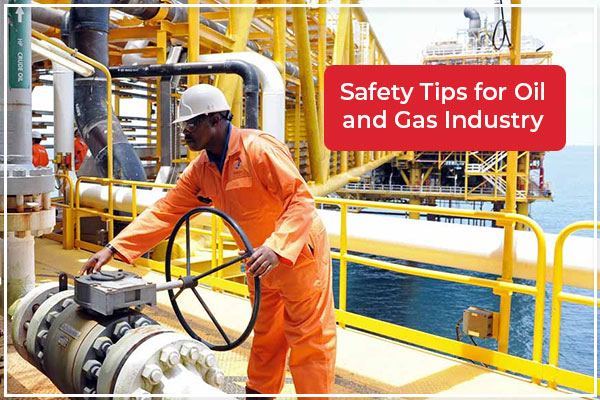
The oil and gas industry is vital for global energy supply but also poses significant safety risks to workers and the environment. Awareness and management of these hazards are crucial to preventing accidents and ensuring operational safety.
Furthermore, a strong safety culture, combined with effective risk management and adherence to industry regulations, is essential for minimizing workplace hazards. Companies that prioritize health, safety, and environmental (HSE) practices not only protect their workforce but also improve operational efficiency, regulatory compliance, and business sustainability.
Explore the top 10 safety hazards in the oil and gas industry, including fire, explosions, toxic gas exposure, and confined spaces, with practical tips for safer operations.
Here are some of the safety hazards in the oil and gas industry
1. Explosions and Fires
Flammable materials are ubiquitous in oil and gas operations. The risk of explosions and fires is high, particularly during drilling, production, and refining processes. Strict adherence to safety protocols and proper equipment maintenance are essential to mitigate these risks. In other ways this can be prevented by Install gas detection systems, conduct regular equipment inspections, Implement hot work permit procedures, Maintain fire suppression systems and Train employees on emergency response procedures.
2. Chemical Exposure
Workers often handle toxic and hazardous substances, including crude oil, natural gas liquids, and various chemicals used in drilling and refining. Chronic exposure can lead to serious health issues, necessitating proper handling procedures, personal protective equipment (PPE), and regular safety training.
3. Slips, Trips, and Falls
Work sites in the oil and gas industry can be hazardous due to uneven surfaces, wet conditions, and equipment. Slips, trips, and falls are common accidents that can lead to serious injuries. Implementing good housekeeping practices and using proper footwear can help reduce these risks.
4. Vehicle Accidents
Transportation of personnel and materials is a critical component of operations. Vehicle accidents are a leading cause of injuries and fatalities in the industry. Rigorous driver training, vehicle maintenance, and adherence to traffic regulations are crucial to enhancing road safety.
5. Lifting Operations
Heavy equipment and materials are often moved using cranes and hoists, which poses risks of injury if not done correctly. Proper training, use of appropriate lifting techniques, and regular equipment inspections are essential to prevent accidents.
6. Workplace Violence
The high-pressure environment often creates tensions among workers, leading to incidents of workplace violence. Ensuring a positive work culture, providing conflict resolution resources, and offering mental health support can help mitigate this risk.
7. Confined Spaces
Many oil and gas operations require workers to enter confined spaces such as storage tanks and pipelines, which pose risks of asphyxiation, chemical exposure, and entrapment. Comprehensive safety training and monitoring systems are essential when working in these environments.
8. Noise-Induced Hearing Loss
The oil and gas industry is characterized by high noise levels from machinery and equipment, which can lead to hearing loss over time. Implementing regular hearing assessments, providing hearing protection, and minimizing noise exposure can help protect workers.
9. Environmental Hazards
Oil spills and leaks pose significant environmental risks, affecting both local ecosystems and worker safety. Implementing robust environmental management practices and emergency response plans is critical for minimizing these risks.
10. Fatigue and Stress
Long hours, shift work, and the demanding nature of oil and gas jobs can lead to worker fatigue and stress, detracting from concentration and increasing the likelihood of accidents. Promoting work-life balance, providing adequate rest breaks, and monitoring worker well-being are vital for safety.
Best Practices for Improving Oil and Gas Safety
Organizations can significantly reduce workplace risks by implementing comprehensive safety management systems.
Key best practices include:
- Conduct regular hazard identification and risk assessments.
- Maintain preventive and predictive maintenance programs.
- Provide ongoing HSE training.
- Use appropriate Personal Protective Equipment (PPE).
- Perform routine emergency drills.
- Establish clear permit-to-work procedures.
- Encourage reporting of near misses and unsafe conditions.
- Utilize digital monitoring and automation technologies.
- Regularly audit safety performance and implement corrective actions.
Conclusion
Safety in the oil and gas industry is paramount not only for protecting workers but also for ensuring the integrity of operations and the environment. By recognizing and addressing these top 10 safety hazards, companies can foster a culture of safety, reduce accidents, and enhance overall operational efficiency. Prioritizing safety will lead to healthier workplaces and sustainable practices that benefit workers, the industry, and the community.