


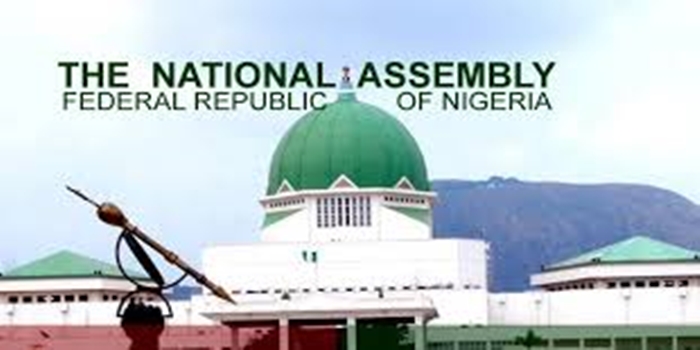
In this article, we discussed constitutional reform, the features, arguments that Nigeria Can Fix Its politics without constitutional reform, political culture and accountability, what would fixing Nigeria’s politics require?
Definition
Constitutional reform involves amending or replacing a nation’s foundational laws to strengthen democracy, improve governance, and reflect current societal values. Current efforts, such as in Nigeria, focus on fiscal federalism, devolution of power, strengthening judicial independence, and enhancing citizen rights. The process typically involves public consultation, legislative review, and adaptation to ensure legitimacy.
Features of Constitutional Reform:
Purpose: To address institutional failures, protect rights, and balance power between government branches.
Common Focus Areas:
Devolution of Power: Shifting responsibilities from federal to state/local levels.
Resource Allocation: Reforming revenue sharing for economic equity.
Fundamental Rights: Strengthening citizen protections, including environmental rights.
Electoral Integrity: Addressing independent candidacy and election processes.
Processes: Often includes a legislative committee (e.g., in Nigeria, the 10th Assembly’s review, to be completed by December 2025).
Methods: Can be piecemeal amendments or comprehensive rewrites.
Arguments that Nigeria Can Fix Its politics without constitutional reform:
Electoral Act Utilization: Proponents argue that properly implementing and amending the existing Electoral Act 2022 can address election manipulation, operational inefficiencies, and weak institutional issues, reducing the need for an entirely new constitution.
Strategic Litigation and Advocacy: Rather than constitutional amendments, activists and citizens can use legal challenges and public protests to force behavioral changes in government and protect rights.
Strengthening Institutions: Improving the independence and efficiency of institutions like INEC, the judiciary, and anti-corruption agencies can drive accountability without changing the constitution.
Internal Party Reform: Addressing political crises through democratic practices within political parties, such as transparent primaries and accountability for leadership, can reduce the impact of corruption and nepotism on governance.
Incremental Legal Changes: Focused, small-scale legislative amendments—such as strengthening financial autonomy for local governments—can address specific issues without a total overhaul.
Focus on Governance over Structure: Arguments suggest that the core issue is incompetent leadership rather than the constitution, meaning better leadership and increased civic engagement could improve political outcomes.
Political Culture and Accountability:
Defining the Link: Political accountability is the process where authorities are required to justify their decisions, which is heavily influenced by a society’s political culture (religion, civicness, and values).
Vertical Accountability: Citizens holding officials accountable via elections.
Horizontal Accountability: Institutions (courts, ombudsmen) checking each other.
Societal Accountability: Media and NGOs exposing wrongdoing.
Impact of Culture: In cultures with high post-materialist values and strong civic engagement, accountability mechanisms function more effectively. Conversely, a lack of accountability, often rooted in permissive political culture, can hinder development and fuel corruption.
Elements of Accountability: A healthy culture involves taking, keeping, and giving account of performance in office.
What Would fixing Nigeria’s politics require?
Constitutional & Electoral Reform: Moving away from a “military-imposed” constitution towards true federalism, allowing states greater control over resources. Reforms must ensure INEC independence, prevent voter suppression, and eliminate money politics (vote-buying) in primaries.
New Political Leadership Class: Investing in a new, disruptive generation of leaders who prioritize public service over personal gain, reducing the influence of the old, self-serving political elite.
Active Citizen Engagement: Building an informed, motivated electorate that holds officials accountable through a citizens’ watchdog” to curb impunity.
Structural Economic Shifts: Breaking the reliance on oil revenue by diversifying the economy and strengthening institutions, reducing the stakes of corruption.
Institutionalizing Accountability: Enforcing consequences for both good and bad performance in public office to break the cycle of impunity.
Conclusion
Nigeria’s political challenges include corruption, weak institutions, electoral malpractice, over-centralization of power, ethnic tensions, and insecurity. The debate centers on whether these problems can be solved within the current 1999 Constitution or whether major constitutional reform is necessary.