


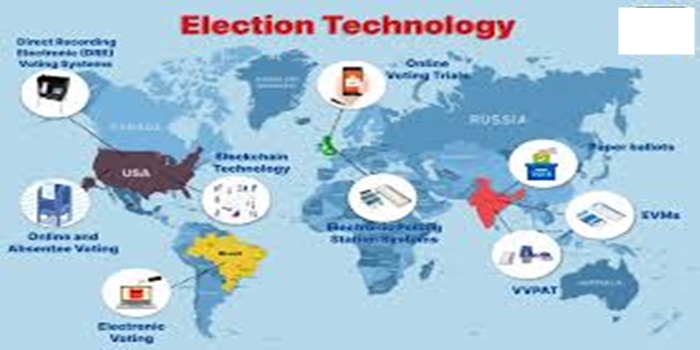
In this article, we explained electoral transparency, how technological advancements in materials, electronics, and engineering can improve electrical transparency, the challenges and the future directions.
Definition
Electrical transparency refers to the ability of a material or system to conduct electricity with minimal loss, while also being able to efficiently manage and control electrical signals. This concept is crucial for numerous applications, from power transmission to electronics and renewable energy systems.
How Technological Advancements in Materials, Electronics, and Engineering can Improve Electrical Transparency in Various Contexts:
Materials Science: Paving the Way for Greater Efficiency:
One of the most significant areas where technology can improve electrical transparency is in materials science. New materials are being developed to enhance conductivity while maintaining transparency. Some of the most promising materials in this regard include:
- Transparent Conductive Materials
The researchers have developed transparent conductive materials, primarily used in applications like touchscreens, solar panels, and display technologies.
Indium Tin Oxide (ITO): ITO is one of the most commonly used transparent conductors. It’s used in flat-panel displays, smartphones, and solar panels due to its ability to conduct electricity while remaining optically transparent. However, indium is rare and expensive, prompting research into alternative materials.
Graphene: Graphene, a single layer of carbon atoms arranged in a honeycomb lattice, has exceptional electrical conductivity, mechanical strength, and optical transparency. When incorporated into materials, it can improve the conductivity of otherwise transparent substances, providing a lightweight and flexible alternative to ITO.
Carbon Nanotubes (CNTs): CNTs are another promising material for transparent conductors. These are cylindrical structures made of carbon atoms with high conductivity. CNT-based transparent films are being developed for use in flexible displays and energy-efficient windows.
Superconducting Materials
The development of high-temperature superconductors (HTS) is another advancement. Superconductors are materials that can conduct electricity without resistance at very low temperatures. While conventional superconductors require cooling with liquid helium, HTS materials are becoming practical for more widespread use.
Electronics and Semiconductor Advancements:
In the empire of semiconductor technology, improvements in integrated circuits (ICs), transistor design, and optical electronics have all contributed to better electrical transparency by allowing faster, more efficient transmission of electrical signals.
- Quantum Dots and Nanomaterials
Quantum dots (QD) and nanomaterials are being integrated into electronic and photonic systems to enhance performance. Quantum dots are semiconductor nanocrystals that can be engineered to have specific electrical and optical properties. By tuning their size, shape, and composition, quantum dots can be used to improve the efficiency of devices like solar cells, LEDs, and lasers.
Nanomaterials such as metal nanowires or 2D materials (e.g., MXenes, phosphorene) offer reduced electrical resistance while enhancing the ability to manage high-speed signals. These materials are particularly useful for flexible electronics, where electrical transparency is essential for applications like transparent displays or smart windows.
- Photonic Devices
As the demand for high-speed electronics grows, photonic devices (those that use light rather than electrical current to transmit information) are gaining traction. Photonics can improve electrical transparency by allowing for higher bandwidth and less energy loss compared to traditional electronics.
For example, photonic integrated circuits (PICs) use light to transfer information across processors, enabling faster data transmission with minimal loss. This is particularly important in data centers, where large amounts of data need to be transferred with speed and accuracy. Such innovations are integral to the ongoing push toward more energy-efficient electronics.
Energy Systems and Power Transmission
Improving electrical transparency in energy systems is crucial for reducing energy losses and increasing the efficiency of the grid. Advances in smart grids, renewable energy technologies, and power transmission systems are directly contributing to this goal.
- Smart Grids
Smart grids are intelligent power systems that leverage digital technologies, such as sensors, data analytics, and communications networks, to optimize the flow of electricity. By using real-time data, smart grids can better balance supply and demand, reduce waste, and increase the overall transparency of the energy system.
Grid Automation: Automated systems that respond to changes in electricity demand can ensure the smooth distribution of power, minimizing disruptions and inefficiencies. These systems also provide more visibility into the grid’s performance, enhancing transparency in the energy sector.
Advanced Metering Infrastructure (AMI): With AMI, consumers can get detailed data about their energy consumption, and utility providers can more accurately manage power distribution. This real-time monitoring improves the transparency of the entire electrical system, from generation to consumption.
- High-Voltage Direct Current (HVDC) Transmission
While traditional power lines use alternating current (AC), HVDC systems are becoming increasingly popular for long-distance power transmission due to their efficiency. AC systems lose energy over long distances because of the impedance in the wires, but HVDC reduces losses by maintaining a constant current.
HVDC lines have lower electrical resistance and reduced power loss over long distances compared to AC lines. By using semiconductor-based technology (like thyristor-controlled rectifiers and inverters), HVDC systems allow for more efficient transmission of electricity with greater control, improving electrical transparency in power systems.
Challenges and Future Directions
Material Challenges
Despite the progress in materials science, many transparent conductors, like ITO, still have limitations, such as relatively poor mechanical properties or high cost. Research continues into new materials like metal oxides and conductive polymers, but scaling these materials for widespread use remains a challenge.
Scalability of Advanced Technologies
While graphene and carbon nanotubes hold great promise for improving electrical transparency, the cost and scalability of producing these materials in bulk remain hurdles. Large-scale production methods need to be developed to make these materials commercially viable.
Energy Consumption of Digital Systems
While innovations like smart grids and photonics improve transparency in electrical systems, the underlying challenge remains the increasing energy consumption of digital systems. The more efficient we make our systems, the greater the demand for them, potentially offsetting the gains in electrical transparency.
Environmental and Economic Factors
The shift toward transparent and flexible electronics, while promising, needs to consider environmental sustainability. For instance, the mining and disposal of rare materials (like indium) used in transparent conductors could pose environmental challenges.
The future of electrical transparency lies in the continued innovation of materials, the integration of digital technologies, and the scalability of advanced systems that reduce loss, improve efficiency, and optimize performance across a wide range of applications.
Conclusion
Technological advancements are playing a crucial role in improving electrical transparency across a range of fields, from energy transmission to semiconductors and smart grids. By developing new materials, enhancing semiconductor devices, and deploying smart technologies, we are not only making electrical systems more efficient but also more transparent and responsive to the needs of consumers and industries.
READ: How Emerging Technologies Are Rewriting the Future