


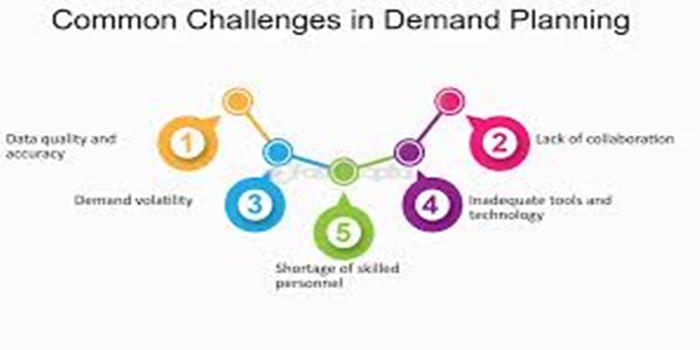
In this article, we demanding planning, the characteristics, overproduction, demand planning strategies That prevent overproduction.
Definition
Demand planning is a serious, continuous supply chain process that forecasts future customer demand using historical data, market trends, and analytics to optimize inventory, production, and logistics. It bridges sales forecasting with operational execution to reduce excess stock, avoid shortages, and increase profitability.
Characteristics of Demand Planning include:
Collaborative and Integrated: Involves input from sales, marketing, and finance to create a consensus, breaking down departmental silos.
Data-Driven and Analytical: Relies on historical data, statistical models (e.g., regression), and AI to generate accurate baseline forecasts.
Iterative and Continuous: Not a one-time task; it is a regular cycle that adapts to new information, changing market trends, and volatility.
Demand Sensing and Responsiveness: Incorporates real-time data to quickly identify shifts in demand and respond to sudden market changes.
Scenario Planning: Evaluates potential outcomes to prepare for uncertainties, such as supply disruptions or economic shifts.
Strategic Optimization: Aims to balance inventory levels to avoid both stockouts and excess inventory.
Visibility into Drivers: Provides clear insights into factors influencing demand, such as promotions, seasonality, and competitor actions.
Overproduction
Overproduction is an economic and manufacturing situation where the supply of goods exceeds consumer demand, leading to unsold inventory, price drops, and wasted resources. It occurs when products are created earlier than needed (early) or in higher quantities than required (quantitative), often resulting from overinvestment or excessive production capacity.
Features of Overproduction include:
Economic Impact: It causes surpluses, forcing companies to reduce prices to sell inventory, which can lead to reduced profits and, historically, major economic crises like the Great Depression.
Manufacturing Waste (Lean): In lean manufacturing, it is considered the most serious of the seven wastes (Muda), as it creates unnecessary inventory and hides other process inefficiencies.
It is categorized into early (producing too soon) and quantitative (producing too much).
Driven by forecasting errors, efforts to maximize machine/worker utilization, or the desire to maintain high production rates.
Demand Planning Strategies That Prevent Overproduction:
Accurate Demand Forecasting
Using historical sales data, market trends, and seasonality improves forecast accuracy. Advanced analytics and forecasting models help reduce guesswork and align production volumes with real demand.
Just-In-Time (JIT) Production
JIT limits production to what is needed, when it is needed. By synchronizing production schedules with demand, organizations avoid producing goods that may not be sold.
Demand-Driven Planning
Demand-driven approaches focus on actual customer orders and consumption signals rather than forecasts alone. This minimizes reliance on speculative production and reduces excess inventory.
Sales and Operations Planning (S&OP)
S&OP integrates sales forecasts, production plans, and inventory targets across departments. Regular cross-functional reviews ensure consensus on demand assumptions and prevent production from exceeding market needs.
Shorter Planning Cycles
Frequent updates to demand plans allow organizations to react quickly to market changes. Rolling forecasts reduce the risk of committing to outdated assumptions.
Collaboration with Customers and Distributors
Sharing demand data with key customers and channel partners improves visibility into real market needs. Collaborative planning reduces uncertainty and improves production accuracy.
Inventory Policy Optimization
Setting clear inventory targets, reorder points, and safety stock levels prevents excess build-up. Inventory policies should reflect demand variability and product life cycles.
Product Segmentation
Different products require different planning approaches. High-volume, stable-demand items benefit from forecast-based planning, while low-volume or volatile items are better managed with make-to-order strategies.
Use of Technology and Analytics
ERP systems, demand planning software, and AI-based tools enhance real-time visibility and predictive accuracy. Automation reduces planning errors and improves coordination.
Continuous Monitoring and Feedback
Tracking forecast accuracy, inventory turnover, and sell-through rates helps identify planning gaps. Continuous improvement ensures demand plans remain aligned with actual market behavior.
Conclusion
Demand planning strategies that prevent overproduction focus on aligning production levels with real-time customer demand rather than relying solely on forecasts. By leveraging technology, collaborative data, and agile manufacturing techniques, businesses can reduce excess inventory, lower storage costs, and prevent waste.