


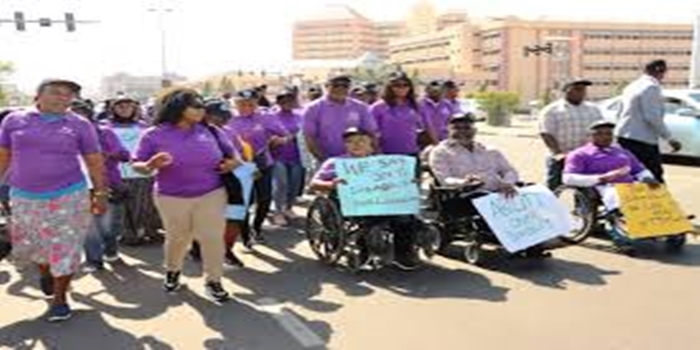
Introduction
The growth of Disability Rights represents a deep change from a medical charity model to a human rights social model of disability. This paradigm shift demands that welfare systems move away from simply providing separated, often stigmatizing support to becoming truly inclusive systems that focus on removing societal barriers and guaranteeing full participation. In this article we explore disability rights, structural barriers, modern reforms, and why inclusive welfare systems are essential for reasonable societies.
Disability rights are the civil rights of people with disabilities, advocating for equal opportunities, inclusion, and freedom from discrimination, grounded in international laws like the UN convention on the rights of persons with disabilities (CRPD) and national legislation, focusing on accessibility, healthcare, education, and full participation in society, shifting perspective from charity to inherent human rights. The principles include dignity, autonomy, non-discrimination, and inclusion, aiming to integrate persons with disabilities as active members with full rights.
Understanding Disability: From the Medical to the Social Model:
Historically, disability was viewed through the medical model, which framed disability as an individual problem requiring treatment or charity. This approach failed to address environmental barriers such as inaccessible buildings, discriminatory attitudes, or exclusionary policies.
The social model of disability shifted the narrative. It argues that people are disabled not by their impairments, but by systemic barriers that prevent full participation.
The social model emphasizes:
Accessibility
Inclusion
Rights-based approaches
Removal of societal barriers
Equal opportunities
This model now guides most modern disability policies and welfare reforms.
Disability Rights as Human Rights:
The global recognition of disability rights took a major leap with the adoption of the United Nations Convention on the Rights of Persons with Disabilities (UN CRPD) in 2006. It emphasizes:
Full participation in society
Equality before the law
Access to education, employment, and healthcare
Freedom from discrimination
Inclusive social protection
Most countries have ratified the UN CRPD, but implementation remains inconsistent.
Disability rights are not simply about accommodation, they are about ensuring citizenship, dignity, and autonomy for all.
Why Inclusive Welfare Systems Matter:
Persons with disabilities are more likely to face social and economic disadvantages than the general population.
Higher unemployment rates
Poverty
Discrimination in the labor market
Inaccessible infrastructure
Lack of assistive devices
Limited educational opportunities
Healthcare gaps
Social stigma and exclusion
Inclusive welfare systems can break these barriers by providing meaningful support that promotes independence and equality.
Barriers Faced by Persons with Disabilities:
Disability is not just about physical impairments—social, economic, and institutional obstacles play a larger role.
Physical and environmental barriers
Inaccessible public buildings
Poor transportation systems
Lack of ramps, elevators, or tactile pathways
Social and attitudinal barriers
Stereotypes portraying PWDs as unproductive
Social stigma and discrimination
Overprotection or infantilization.
Components of an Inclusive Welfare System:
Social Protection and Disability Benefits
An inclusive system provides:
Cash benefits for disability-related expenses
Pensions for those unable to work
Support for caregivers
Subsidies for healthcare and assistive devices
These benefits must be easy to access, transparent, and tailored to diverse needs.
Inclusive Education
Education is a cornerstone of disability inclusion.
Inclusive welfare systems ensure:
Accessible learning materials
Trained teachers
Supportive services (interpreters, aides, accessible transport)
Enrollment in mainstream schools whenever possible
Education empowers PWDs and increases social mobility.
Employment and Livelihood Support
Governments can promote employment through:
Anti-discrimination laws
Quota systems for hiring PWDs
Vocational training programs
Entrepreneurship support
Workplace accessibility standard
Employment restores dignity, independence, and participation.
Accessible Healthcare
Healthcare must address both general and disability-specific needs.
This includes:
Regular medical care
Rehabilitation services
Mental health support
Assistive devices (hearing aids, wheelchairs, prosthetics)
Trained healthcare professionals
Economic barriers
Exclusion from labor markets
Limited vocational training
High costs of assistive devices
Policy and institutional barriers
Lack of disability-friendly public services
Inaccessible social protection programs
Rigid eligibility requirements
Fragmented support systems.
The Way Forward: Building Truly Inclusive Systems:
To build systems that genuinely include persons with disabilities, governments must:
Adopt a rights-based approach
View disability through the lens of equality and dignity.
Expand universal social protection
Ensure benefits are accessible and adequate.
Prioritize accessibility
Make public spaces, transport, and digital platforms accessible by design.
Strengthen inclusive education
Provide training, materials, and accessible facilities.
Support employment and entrepreneurship
Promote workplace inclusion and economic empowerment.
Invest in community-based support
Enable independent living through localized services.
Conclusion
Disability rights are fundamentally human rights. Creating inclusive welfare systems ensures that persons with disabilities can live dignified, empowered lives and participate fully in social, economic, and political life. As the world moves toward equality and inclusion, disability considerations must be woven into every aspect of welfare reform.
READ: Disability Rights and Political Inclusion