


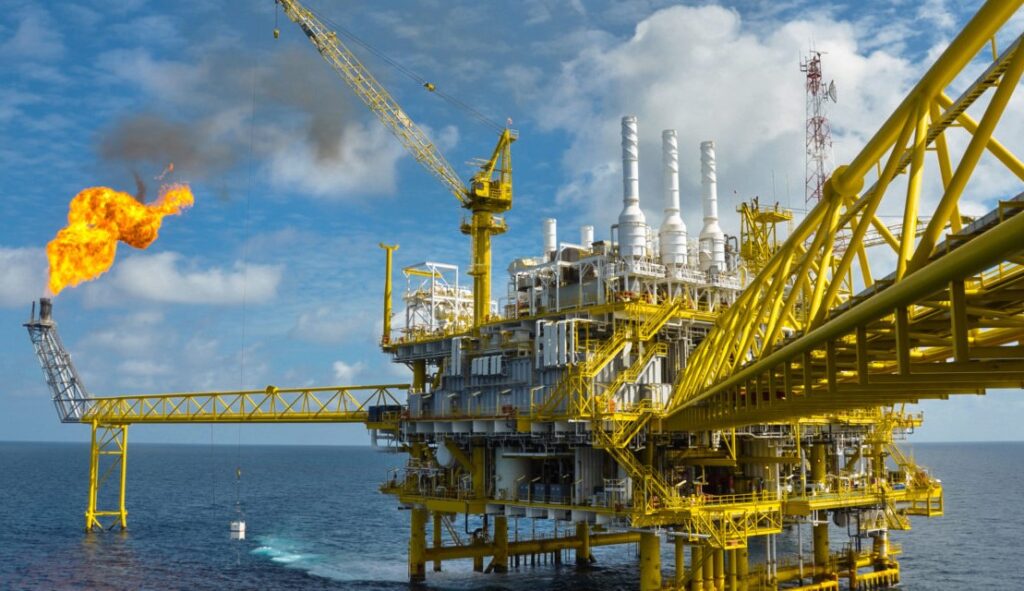
INTRODUCTION
Energy and power are the backbone of oil and gas industry the of modern civilization, supplying the primary fuel sources that drive global economic growth. However, a critical distinction that often gets overlooked within this sector is the relationship between energy and power. While they are used interchangeably in casual conversation, they have distinct definitions, unique histories, and vital impacts on how oil and gas operations function.
Energy and power are the invisible forces that drive every stage of the oil and gas sector, turning buried hydrocarbons into usable global fuel.
DEFINITION OF ENERGY AND POWER
Energy is the fundamental ability to do work. In oil and gas, energy are stored chemically within hydrocarbons (crude oil and natural gas). When these resources are extracted and refined, that stored chemical energy is released through combustion to heat homes, fuel vehicles, and generate electricity. It is measured in units.
Power is the rate at which that energy is used or transferred over time. In oil and gas facilities, power refers to the immediate mechanical or electrical output required to run operations—such as drilling rigs, subsea pumps, and refinery compressors. It is measured in Watts
THE IMPORTANCE OF ENERGY AND POWER IN OIL AND GAS INDUSTRY
Energy and power are the foundation of the oil and gas industry, driving everything from extraction and refining to global economic stability.
Energy and power management is the heartbeat of upstream, midstream, and downstream operations.
- Powering Extreme Environments: Extracting hydrocarbons requires immense physical force. Power is needed to push drill bits miles into the earth, pump heavy crude from deep subsea wells, and compress natural gas to transport it across continents.
- Industrial Refining: Turning crude oil into usable products like gasoline, diesel, and plastics is an energy-intensive chemical process. Refineries require a constant, uninterrupted supply of high-temperature thermal energy and electrical power to keep distillation towers running safely.
- Grid Reliability: The oil and gas sector is not just a provider of global energy; it is also one of the largest consumers of industrial power. Managing this balance ensures that industrial grids remain stable and don’t experience blackouts.
BENEFIT OF ENERGY AND POWER IN OIL AND GAS INDUSTRY
- Drastic Cost Reductions: Energy is often the highest operational expense for facilities. By using energy-efficient equipment, companies save millions of dollars in fuel costs.
- Lower Carbon Footprint: Decarbonization is a major priority. By optimizing onsite power generation such as capturing waste heat or replacing diesel generators with cleaner natural gas turbines companies significantly reduce greenhouse gas emissions.
- Enhanced Operational Safety: Unstable power can lead to critical equipment failure, which poses severe safety and environmental risks. Reliable power distribution systems prevent hazardous emergency shutdowns.
- Integration with Renewables: Modern oil and gas companies are transitioning into “energy companies.” Many now power their oilfields using hybrid systems that blend traditional natural gas turbines with solar panels or wind energy, paving the way for a cleaner energy mix.
CONCLUSION
Energy and power are the twin engines that keep the oil and gas industry moving. As the world transitions toward a more sustainable future, the oil and gas sector’s ability to efficiently manage its power and reduce its own energy consumption will dictate its longevity and success in the global market.