


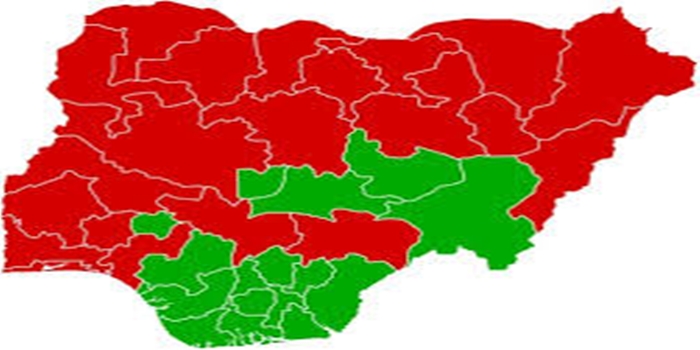
In this article, we discussed ethnicity, voting patterns in Nigeria, how ethnicity influences voting patterns, ethnicity in contemporary Nigerian elections, effects of ethnic voting patterns, how to reduce ethnic influence in voting.
Definition
Ethnicity is a shared, socially constructed identity based on common cultural traits, such as language, ancestry, religion, history, and traditions, rather than purely biological factors. It is a self-identified, often fluid sense of belonging that defines a group as distinct from others.
Characteristics and Context:
Cultural Factors: Key markers include shared ancestry, language, food habits, and religious beliefs.
Self-Identification: Individuals often choose to identify with one or more ethnic groups based on their experiences and heritage.
Distinction from Race: While race generally refers to physical appearance or traits, ethnicity is focused on cultural and social heritage.
Role of Heritage: Ethnicity helps provide meaning, purpose, and a sense of belonging to individuals within a group.
Meaning of Voting Patterns
Voting patterns refer to the way groups of voters consistently support particular candidates, parties, or political ideologies during elections. These patterns may be influenced by various factors such as:
Ethnicity
Religion
Economic interests
Party loyalty
Leadership appeal
Regional identity
In Nigeria, ethnicity is frequently one of the strongest determinants of voting behavior.
How Ethnicity Influences Voting Patterns
- Ethnic Loyalty
Many Nigerian voters tend to support candidates who belong to their ethnic group. Ethnic loyalty creates a sense of trust and shared identity between voters and political leaders.
Voters often believe that leaders from their ethnic group are more likely to protect their interests and promote development in their communities.
As a result, elections sometimes become competitions between ethnic groups rather than debates about policy or ideology.
- Regional Political Strongholds
Ethnicity often creates regional voting strongholds in Nigerian elections. Political parties and candidates typically perform strongly in areas where their ethnic groups dominate.
For example:
Northern states often support candidates perceived to represent northern interests.
Southwestern states frequently support candidates with Yoruba political influence.
Southeastern states often support candidates connected to Igbo political interests.
These patterns can produce predictable regional voting outcomes during national elections.
- Ethnic Political Mobilization
Political leaders frequently mobilize ethnic identity to gain electoral support. Campaign strategies may emphasize shared cultural heritage, language, or historical experiences.
Ethnic leaders and traditional rulers sometimes influence voters by endorsing candidates from their ethnic groups. This mobilization strengthens ethnic voting blocs and reinforces identity-based politics.
- Perceived Marginalization
Ethnic groups that feel politically or economically marginalized may vote collectively in support of candidates who promise greater representation and development.
For example, minority ethnic groups sometimes unite politically to demand greater political inclusion or resource allocation from the central government.
Such grievances can strongly influence electoral behavior.
- Distribution of Political Offices
Nigeria’s political system attempts to balance ethnic interests through the principle of federal character, which ensures representation of different ethnic groups in government institutions.
Political parties often consider ethnic and regional balance when selecting candidates for national offices.
For instance, presidential candidates frequently choose running mates from different ethnic or regional backgrounds to attract broader electoral support.
Ethnicity in Contemporary Nigerian Elections
Even in modern elections, ethnic considerations remain influential.
Effects of Ethnic Voting Patterns
Ethnic voting has both positive and negative implications for Nigeria’s democracy.
Positive Effects
- Political Representation
Ethnic voting ensures that diverse communities feel represented in the political system.
- Mobilization of Political Participation
Ethnic identity can encourage citizens to participate in elections and engage in political activities.
Negative Effects
- Weak Policy-Based Politics
When voters focus primarily on ethnic identity, political debates about economic policies and national development may receive less attention.
- Political Polarization
Ethnic voting can deepen divisions between groups and create tensions during elections.
- Electoral Violence
Competition between ethnic groups for political power sometimes leads to electoral conflicts and violence.
- National Disunity
Excessive emphasis on ethnic loyalty can undermine efforts to build national unity and shared national identity.
How to Reduce Ethnic Influence in Voting:
Several measures can help reduce excessive ethnic influence in Nigerian elections.
- Strengthening National Identity
Promoting national unity through education and civic engagement can reduce ethnic divisions.
- Issue-Based Politics
Encouraging political debates focused on policies rather than ethnic identity.
- Electoral Reforms
Strengthening electoral institutions to ensure fair and transparent elections.
- Political Party Reforms
Political parties should adopt inclusive platforms that appeal to citizens across ethnic lines.
Conclusion
Ethnicity plays a significant role in shaping voting patterns in Nigeria. Many voters tend to support candidates who share their ethnic background or represent their regional interests, especially among the major groups such as the Hausa–Fulani, Yoruba, and Igbo. This pattern has historical roots in Nigeria’s early political development, when political parties were largely organized along ethnic and regional lines.