


Introduction
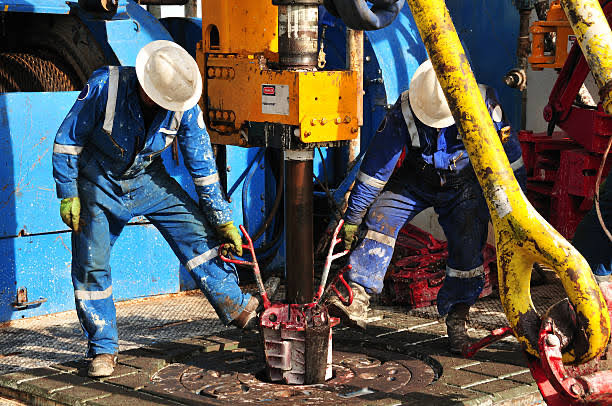
The oil and gas industry is one of the most equipment-intensive sectors in the world, relying on advanced machinery and specialized tools to explore, drill, produce, process, and transport petroleum resources. From drilling rigs and pumps to valves and safety systems, oilfield equipment plays a critical role in ensuring safe, efficient, and cost-effective operations.
Whether operating onshore or offshore, every stage of the oil and gas value chain requires specific equipment designed to withstand harsh environments, high pressures, and demanding operational conditions. Understanding the purpose and functionality of these tools is essential for industry professionals, investors, and businesses seeking to provide oilfield services.
This guide explores the major categories of oilfield equipment, their applications, and why proper maintenance is essential for maximizing operational efficiency.
What Is Oilfield Equipment?
Oilfield equipment refers to the machinery, tools, instruments, and systems used during the exploration, drilling, production, transportation, storage, and maintenance of oil and natural gas. These assets enable operators to safely extract hydrocarbons while maintaining environmental compliance and operational reliability.
Oilfield equipment is commonly categorized into:
- Drilling equipment
- Well completion equipment
- Production equipment
- Processing equipment
- Pipeline and transportation equipment
- Maintenance equipment
- Safety and environmental protection equipment
- Instrumentation and control systems
Drilling Equipment
Drilling equipment is used to create wells that reach underground oil and gas reservoirs.
Common Drilling Equipment
- Drilling Rigs
- Drill Pipes
- Drill Bits
- Rotary Table
- Top Drive System
- Mud Pumps
- Blowout Preventers (BOP)
- Mud Tanks
- Drill Collars
- Kelly Drive (older rigs)
Functions
-
- Penetrates rock formations
- Supports drilling operations
- Maintains well stability
- Controls well pressure
- Circulates drilling fluids
Well Completion Equipment
Once drilling is complete, specialized equipment prepares the well for production.
Common Completion Equipment
- Wellhead Assembly
- Christmas Tree
- Production Tubing
- Packers
- Safety Valves
- Liner Hangers
- Completion Packers
- Downhole Sensors
Functions
- Controls production flow
- Isolates production zones
- Maintains well integrity
Enhances reservoir productivity
Production Equipment
Production equipment facilitates the extraction and processing of hydrocarbons after a well becomes operational.
Common Production Equipment
- Pumps
- Compressors
- Separators
- Heater Treaters
- Storage Tanks
- Gas Dehydrators
- Flowlines
- Chokes
- Flow Meters
Functions
- Separates oil, gas, and water
- Increases production efficiency
- Controls production rates
- Measures fluid volumes
Process Equipment
Oil and gas processing removes impurities before transportation or refining.
Typical Process Equipment
- Heat Exchangers
- Pressure Vessels
- Filters
- Distillation Units
- Gas Sweetening Units
- Dehydration Systems
- Flare Systems
Functions
- Removes contaminants
- Stabilizes crude oil
- Processes natural gas
- Improves product quality
Pipeline Equipment
Pipelines transport crude oil, natural gas, and refined petroleum products.
Common Equipment
- Pipelines
- Gate Valves
- Check Valves
- Actuators
- Pig Launchers
- Pig Receivers
- Pipeline Pigs
- Pressure Gauges
- Leak Detection Systems
Functions
- Controls product flow
- Prevents leaks
- Removes pipeline deposits
- Detects corrosion
- Ensures transportation safety
Lifting Equipment
Heavy lifting is essential during installation and maintenance activities.
Common Equipment
- Mobile Cranes
- Overhead Cranes
- Forklifts
- Chain Blocks
- Wire Rope Slings
- Hydraulic Jacks
- Lifting Beams
Functions
- Equipment installation
- Platform maintenance
- Material handling
- Heavy load transportation
Maintenance Equipment
Regular maintenance minimizes downtime and extends equipment lifespan.
Examples
- Welding Machines
- Cutting Machines
- Torque Wrenches
- Alignment Tools
- Hydraulic Test Pumps
- Pressure Testing Equipment
- Greasing Systems
- Vibration Analyzers
- Thermal Cameras
Importance
- Reduces unexpected failures
- Improves equipment reliability
- Enhances workplace safety
- Lowers maintenance costs
- Instrumentation and Control Equipment
Modern oilfields rely heavily on automation.
Common Equipment
- Pressure Transmitters
- Temperature Sensors
- Level Sensors
- Flow Meters
- Programmable Logic Controllers (PLC)
- Distributed Control Systems (DCS)
- SCADA Systems
- Control Valves
- Actuators
Functions
- Monitors operating conditions
- Controls production
- Enables remote operations
- Improves efficiency
- Supports predictive maintenance
Environmental stewardship is increasingly important in the petroleum industry.
Examples
- Oil Spill Containment Booms
- Oil Skimmers
- Absorbent Pads
- Wastewater Treatment Systems
- Emission Monitoring Systems
- Vapor Recovery Units
- Environmental Monitoring Sensors
Purpose
- Prevent pollution
- Manage waste
- Reduce emissions
- Protect ecosystems
Importance of Proper Equipment Maintenance
Proper maintenance is essential for ensuring equipment reliability and operational excellence.
Benefits include:
- Reduced equipment failure
- Lower operating costs
- Increased production efficiency
- Improved worker safety
- Extended equipment lifespan
- Compliance with industry regulations
- Reduced environmental risks
Preventive and predictive maintenance programs are increasingly replacing reactive maintenance strategies, helping operators detect issues before they lead to costly failures.
Conclusion
Oilfield equipment forms the backbone of every successful oil and gas operation. From drilling rigs and blowout preventers to pumps, compressors, valves, instrumentation systems, and environmental protection equipment, each component plays a vital role in ensuring safe, reliable, and efficient production.
As the industry continues to evolve, integrating advanced technologies such as AI, automation, IoT, and predictive maintenance will become increasingly important for improving operational performance and meeting sustainability goals. Companies that invest in high-quality equipment, regular maintenance, and skilled personnel will be better positioned to maximize productivity, reduce risks, and remain competitive in the ever-changing energy landscape.