


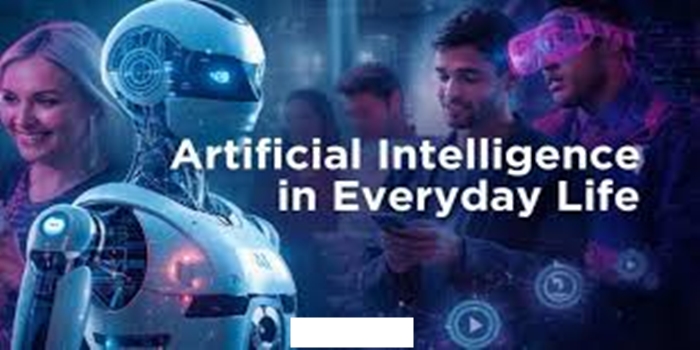
In this article, we discussed emerging technology, the features, the examples, the strategies, and we also talked about how it impacts everyday life.
Definition
Emerging technologies are new, rapidly developing innovations with potential to transform industries, economies, and society, like AI, Quantum Computing, Biotech (gene editing), Nanotech, Robotics, Blockchain, and IoT.
Areas of Emerging Technologies:
Artificial Intelligence (AI) & Data: Generative AI, machine learning, advanced data infrastructure, autonomous systems, and human-machine interfaces.
Biotechnology & Health: Gene editing (CRISPR), engineered living therapeutics, cancer vaccines, neurotechnology, synthetic biology, and biochemical sensing.
Computing & Connectivity: Quantum computing, 5G/6G, satellite tech (Starlink), and advanced networking.
Energy & Environment: Advanced nuclear, renewable energy storage, carbon capture, green nitrogen fixation, and circular materials.
Materials & Manufacturing: Structural battery composites, advanced materials, additive manufacturing (3D printing), and nanozymes.
Security & Trust: Blockchain, cybersecurity, and generative watermarking.
Features of Emerging Technologies:
Radical Novelty: They introduce entirely new ideas, applications, or fundamental shifts from existing technologies, or new applications of existing ones.
Rapid Growth: They demonstrate quick evolution, development, and increasing adoption rates, often fueled by investment and research.
Prominent Impact: They have the potential to significantly change industries, create new markets, alter work, or affect society and economies.
Uncertainty & Ambiguity: Their long-term effects, full potential, and societal implications are often hard to predict.
Disruptive/Transformative: They challenge traditional norms, business models, and established ways of doing things, offering new solutions.
Convergence: Different distinct technologies merge (e.g., AI + IoT + Big Data) to create new, more powerful systems with unforeseen capabilities.
Complexity: They can be intricate, involving multiple interdependent components and systems.
The Strategy of Emerging Technologies:
Alignment & Opportunity Identification: Match emerging tech with specific business needs (efficiency, new products, customer experience) and analyze market landscapes to find high-impact integration points.
Roadmap & Implementation: Develop clear plans for adoption, including budget, resources, timelines, and risk mitigation, balancing quick wins with long-term transformation.
Culture & Talent: Cultivate innovation through experimentation, collaboration, and continuous learning; invest in training or hiring specialists to build a future-ready workforce.
Ecosystem Building: Partner with other companies and build networks to share standards and accelerate innovation.
Proactive Adaptation: Move beyond reactive use; use new tools for predictive analytics, personalized experiences, and process simulation e.g., digital twins.
How Emerging Technology Impacts Everyday Life:
Communication and Social Interaction
Instant Connectivity
Emerging technologies have transformed communication by making it instant and global. High-speed internet, messaging apps, video conferencing, and social media platforms enable people to stay connected regardless of location. AI-powered translation tools further break language barriers, allowing real-time communication across cultures.
Work and Employment:
Automation and AI in the Workplace
AI, robotics, and automation tools are transforming jobs by handling repetitive tasks, analyzing large datasets, and improving decision-making. This leads to:
Increased productivity
Faster workflows
Reduced human error
However, automation also disrupts traditional employment, requiring workers to continuously upskill.
Remote and Hybrid Work
Cloud computing, collaboration platforms, and cybersecurity tools enable remote work. Employees now enjoy:
Flexible schedules
Reduced commuting
Access to global job markets.
Education and Learning:
Personalized Learning Experiences
Emerging technologies are transforming education through:
AI-powered tutoring systems
Adaptive learning platforms
Virtual classrooms.
Healthcare and Well-Being:
Improved Diagnosis and Treatment
AI, big data, and wearable technology enhance healthcare by:
Detecting diseases early
Monitoring vital signs in real time
Enabling personalized treatment plans
Telemedicine allows patients to consult doctors remotely, increasing access to healthcare services, especially in underserved areas.
Daily Convenience and Smart Living:
Smart Homes and IoT Devices
IoT technology has introduced smart living:
Smart thermostats and lighting
Voice assistants
Automated security systems
These technologies increase comfort, save energy, and improve home safety.
Time and Cost Efficiency
Emerging tech simplifies daily tasks:
Online banking and digital payments
E-commerce and same-day delivery
Navigation and ride-sharing apps.
Transportation and Mobility:
Smarter Transportation Systems
Technology has transformed how people move:
GPS and traffic prediction tools
Ride-hailing and shared mobility services
Electric and hybrid vehicles.
Privacy, Security, and Ethical Concerns:
Data Collection and Surveillance
Emerging technologies rely heavily on data, raising concerns about:
Personal data misuse
Digital surveillance
Identity theft and cybercrime
As technology evolves faster than regulation, individuals must be more aware of their digital footprint.
Ethical Implications
AI bias, misinformation, and deepfake technology pose risks to trust and fairness. Ethical frameworks must evolve alongside innovation to protect human rights.
Conclusion
Emerging technology profoundly influences everyday life, altering how people work, communicate, learn, and interact with the world. It provides unprecedented convenience, efficiency, and opportunity. It introduces significant issues concerning privacy, ethics, inequality, and mental well-being. The true impact is determined not by the speed of advancement, but by the responsibility of its development and adoption.
READ: Understanding Emergency Generator Services