


introduction
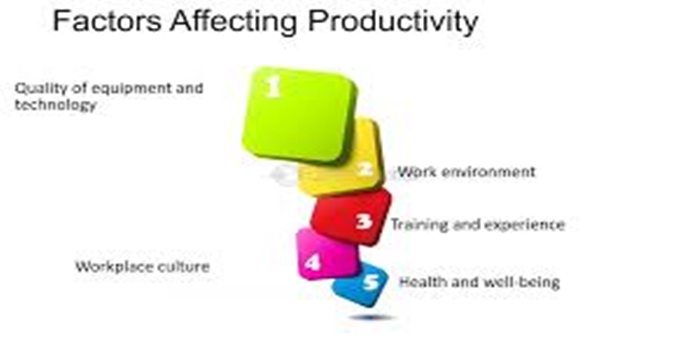
Productivity is not just about employee skill or motivation, it is heavily influenced by the tools and equipment workers use every day. The right equipment can amplify efficiency, reduce fatigue, and improve output quality, while poor choices can create bottlenecks, frustration, and costly inefficiencies.
How equipment choice impacts worker productivity is essential for any organization seeking sustainable growth, operational excellence, and employee satisfaction.
The Direct Link Between Equipment and Productivity
At its core, productivity measures how efficiently inputs (time, labor, resources) are converted into outputs. Equipment acts as a critical multiplier in this equation.
When workers are equipped with high-quality, fit-for-purpose tools:
Tasks are completed faster
Errors are minimized
Physical and mental strain is reduced
Output quality improves
Conversely, outdated or inappropriate equipment can:
Slow down workflows
Increase downtime
Cause repetitive strain or fatigue
Lead to higher error rates
In essence, equipment either enables productivity, or quietly erodes it.
Ways Equipment Choice Affects Productivity
Speed and Efficiency of Task Execution
Modern, well-designed equipment significantly reduces the time required to complete tasks.
For example:
High-performance machinery in manufacturing increases throughput
Faster computers reduce processing and waiting time
Automated tools eliminate repetitive manual tasks
Even small improvements in speed can compound into substantial productivity gains over time.
Ergonomics and Worker Comfort
Ergonomically designed equipment minimizes physical strain and supports natural body movement.
Impact on productivity:
Reduces fatigue and discomfort
Lowers risk of workplace injuries
Enables longer periods of focused work
Uncomfortable tools or poorly designed workstations can lead to frequent breaks, reduced concentration, and absenteeism.
Reliability and Downtime
Equipment reliability is a major determinant of workflow continuity.
Reliable equipment:
Ensures consistent operations
Reduces unexpected interruptions
Builds worker confidence
Unreliable equipment:
Causes delays and missed deadlines
Forces workers to find workarounds
Increases maintenance costs
Frequent breakdowns not only waste time but also disrupt team momentum.
Skill Alignment and Ease of Use
Equipment should match the skill level of its users.
User-friendly tools enable faster onboarding and fewer errors
Overly complex systems may require extensive training and slow down adoption
Intuitive equipment empowers workers to focus on their tasks rather than struggling with the tools themselves.
Automation and Task Simplification
Automation plays a crucial role in boosting productivity.
Examples include:
Automated inventory systems
Smart machinery with preset configurations
Software that handles repetitive data entry
By reducing manual effort, automation allows workers to focus on higher-value tasks such as problem-solving and decision-making.
Accuracy and Quality of Output
Precision equipment reduces errors and rework.
Benefits:
Higher-quality results
Less waste of materials
Improved customer satisfaction
Poor-quality tools often lead to mistakes that require corrections, ultimately reducing overall productivity.
Mobility and Flexibility
Portable and adaptable equipment enhances productivity in dynamic work environments.
Mobile devices allow real-time updates in the field
Lightweight tools improve efficiency in construction or maintenance work
Flexible systems adapt to changing tasks
Rigid or stationary equipment can limit responsiveness and slow down operations.
The Hidden Costs of Poor Equipment Choices
Organizations often underestimate the true cost of inadequate equipment.
- Lost Time
Workers spend extra time compensating for inefficiencies.
- Increased Errors
Mistakes lead to rework, wasted materials, and delays.
- Employee Frustration
Poor tools reduce morale and engagement.
- Higher Turnover
Workers may leave environments where they feel unsupported.
- Safety Risks
Inferior equipment can lead to accidents and injuries.
Balancing Cost vs. Value
One of the biggest challenges organizations faces is balancing upfront cost with long-term value.
Best Practices for Choosing Productivity-Enhancing Equipment
- Conduct Needs Assessments
Understand the specific requirements of each role and task.
- Involve End Users
Workers can provide valuable insights into what works best.
- Prioritize Quality and Reliability
Invest in equipment that delivers consistent performance.
- Consider Scalability
Choose solutions that can grow with your organization.
- Test Before Full Implementation
Pilot programs help identify potential issues early.
- Provide Training
Ensure workers know how to use equipment effectively.
The Role of Technology in Future Productivity
Emerging technologies are reshaping how equipment impacts productivity:
Artificial Intelligence (AI): Enables predictive maintenance and smarter workflows.
Conclusion
Equipment choice is a powerful but often underestimated driver of worker productivity. The tools employees use every day shape how efficiently they work, how they feel about their jobs, and the quality of results they produce.
READ: Top Equipment Brands for Engineering Projects in Nigeria