


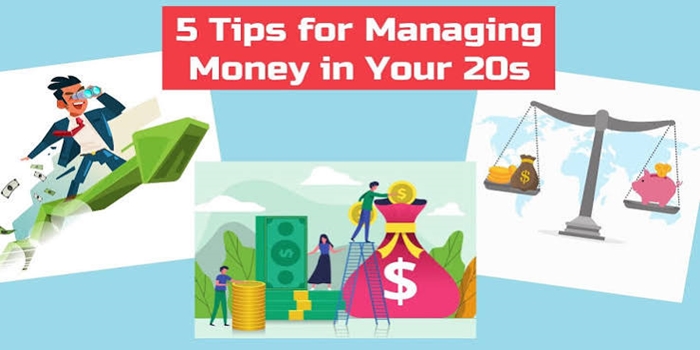
Introduction
Your 20s can be an exciting stage of life, but they also come with financial challenges such as paying bills, finding a stable job, supporting family, and trying to save money. Managing these responsibilities can sometimes feel overwhelming, especially when your income is limited. However, with proper budgeting, smart spending habits, and financial discipline, you can overcome these challenges and build a stable future. This article explores practical ways to survive financial pressure and manage your money wisely in your 20s.
- Create a Realistic Budget
Creating a budget is one of the best ways to manage financial pressure.
Start by listing your monthly income and expenses, including food, transportation, rent, bills, and personal needs.
A budget helps you understand where your money goes and identify unnecessary spending. Make sure your budget reflects your actual income and financial responsibilities.
- Stop Comparing Yourself to Others
Social media can make it seem like everyone in their 20s is financially successful, travelling, buying cars, and enjoying an expensive lifestyle.
However, you rarely see the financial struggles behind these lifestyles.
Instead of comparing yourself with others, focus on your personal progress. Everyone has a different starting point, and financial success takes time.
- Learn to Live Within Your Means
Avoid spending money simply to impress others or maintain a lifestyle you cannot afford.
Prioritize essential expenses such as food, accommodation, transportation, and bills before spending on luxury items and entertainment.
Learning to live within your means can help you avoid unnecessary debt and financial difficulties.
- Develop Additional Sources of Income
Depending on one source of income can be challenging, especially when your salary is not enough to cover your expenses.
Consider exploring additional income opportunities such as freelancing, online tutoring, graphic design, content writing, digital marketing, or selling products online.
Start with something that matches your skills and available time. Even a small additional income can make a difference.
- Build an Emergency Fund
Unexpected expenses can create financial problems when you have no savings.
An emergency fund provides financial support during situations such as medical expenses, urgent repairs, or temporary unemployment.
Start by saving small amounts regularly and gradually work towards having enough money to cover several months of essential expenses.
- Avoid Unnecessary Debt
Borrowing money to maintain an expensive lifestyle can create long-term financial pressure.
Before taking a loan, consider whether the expense is necessary and whether you can comfortably repay it.
If you already have debts, create a repayment plan and prioritize those with high interest rates.
Avoid borrowing money simply to impress people or purchase things you do not need.
- Invest in Your Skills
Your 20s are a good time to develop skills that can improve your earning potential.
Consider learning digital marketing, communication, graphic design, data analysis, web development, or project management.
You can develop these skills through affordable online courses, workshops, and practical experience.
Investing in yourself can create better employment and business opportunities in the future.
- Learn to Say No to Financial Pressure
Friends, relatives, and social expectations can sometimes influence your spending habits.
You may feel pressured to attend expensive outings, purchase fashionable items, or financially support others even when you cannot afford it.
Learn to set financial boundaries and say no when necessary.
You should not put yourself into financial difficulties simply to satisfy other people’s expectations.
- Start Saving, No Matter How Little
You do not need to earn a huge salary before you start saving.
Begin with an amount you can comfortably afford and make saving a regular habit.
Whenever you receive income, set aside some money before spending on unnecessary things.
As your earnings increase, gradually increase the amount you save.
- Take Care of Your Mental Health
Financial pressure can affect your emotional and mental well-being.
Constantly worrying about bills, unemployment, and future responsibilities can become exhausting.
Give yourself time to rest, maintain positive relationships, and avoid putting unnecessary pressure on yourself.
Remember that your financial situation does not determine your personal worth or your future potential.
Conclusion
Surviving financial pressure in your 20s requires patience, discipline, and smart financial decisions. By budgeting wisely, saving regularly, avoiding unnecessary debt, and finding additional sources of income, you can gradually improve your financial situation. Remember that you do not have to achieve everything at once. Focus on your goals, live within your means, and keep working towards financial stability. Your 20s are the perfect time to develop healthy money habits that will create a better and more secure future.
READ: Understanding How to Become Financially Independent