


introduction
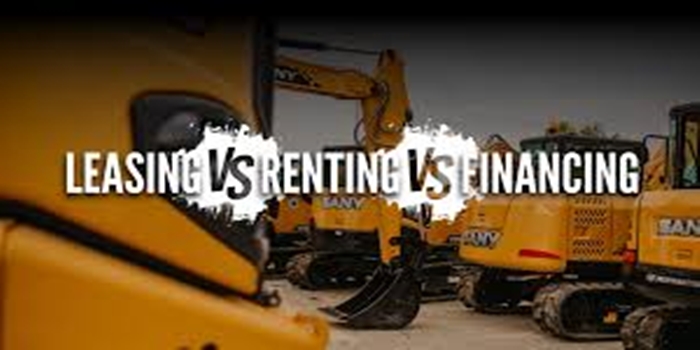
Choosing between leasing and buying construction equipment is one of the most important financial decisions for contractors, construction firms, and project managers. The right choice depends on your cash flow, project duration, tax strategy, and long-term business goals. There’s no universal answer—but understanding the trade-offs will help you make a smarter decision.
Leasing Construction Equipment
Leasing means renting equipment for a fixed period while paying monthly installments.
Leasing construction equipment provides flexible access to machinery, such as excavators, cranes, and loaders, through short- or long-term agreements, often including maintenance support. It helps manage cash flow by avoiding large upfront capital expenditures. Options include Fair Market Value (FMV) leases for lower payments and $1 buyout leases for ownership.
Advantages of Leasing
- Lower upfront cost
Leasing requires little to no initial capital. This is ideal for startups or companies trying to preserve cash for other operations like labor or materials.
- Access to newer technology
You can upgrade equipment at the end of the lease term, ensuring you’re always using modern, efficient machines.
- Predictable expenses
Monthly payments make budgeting easier and help maintain steady cash flow.
- Reduced maintenance concerns
Many lease agreements include maintenance or service packages, reducing unexpected repair costs.
- Tax benefits
Lease payments are often fully deductible as operating expenses (depending on local tax laws).
Disadvantages of Leasing
- Higher long-term cost
Over time, leasing can cost more than buying the same equipment outright.
- No ownership
At the end of the lease, you don’t own the asset unless there’s a purchase option.
- Usage restrictions
Leases may limit operating hours or impose penalties for excessive wear and tear.
- Contract rigidity
Breaking a lease early can be costly.
Buying Construction Equipment
Buying means owning the equipment outright or through financing.
Advantages of Buying
- Long-term cost savings
Although the upfront cost is higher, ownership becomes more economical over time.
- Asset ownership
The equipment becomes a company asset that can be resold or used as collateral.
- No usage limits
You can use the equipment as much as needed without restrictions.
- Customization
Owned equipment can be modified or adapted for specific projects.
- Depreciation benefits
You may be able to claim depreciation and interest deductions for tax purposes.
Disadvantages of Buying
- High upfront investment
Purchasing equipment requires significant capital or financing.
- Maintenance responsibility
All repair and maintenance costs fall on the owner.
- Depreciation risk
Equipment loses value over time, especially with rapid technological changes.
- Storage and logistics
You must store and transport the equipment when not in use.
Key Factors to Consider
- Project duration
Short-term or one-off projects → Leasing is often better
Long-term, repeated use → Buying makes more sense
- Cash flow
Limited cash → Leasing helps preserve liquidity
Strong cash reserves → Buying may be more cost-effective
- Equipment usage frequency
Occasional use → Lease
Daily/continuous use → Buy
- Technology lifecycle
Fast-changing equipment (e.g., advanced machinery) → Lease
Long-lasting equipment (e.g., excavators, loaders) → Buy
- Maintenance capability
Limited in-house expertise, Lease
Skilled maintenance team Buy.
How to Maintain Heavy Construction Equipment
Proper maintenance is critical to extending equipment lifespan, ensuring safety, and reducing costly downtime.
Follow Manufacturer Guidelines
Always adhere to the maintenance schedule provided by the manufacturer. This includes service intervals, lubrication points, and replacement timelines.
Conduct Daily Inspections
Operators should check:
Fluid levels (oil, coolant, hydraulic fluid)
Tire pressure or track condition
Leaks or unusual noises
Lights, brakes, and controls.
Keep Equipment Clean
Dust, mud, and debris can damage components. Regular cleaning:
Prevents corrosion
Improves performance
Makes inspections easier.
Lubricate Moving Parts
Friction causes wear and tear. Proper lubrication:
Reduces component damage
Improves efficiency
Extends equipment life.
Track Maintenance Records
Keep logs of:
Repairs
Service dates
Parts replaced
This helps identify recurring issues and improves resale value.
Monitor Fluid Quality
Contaminated fluids can damage engines and hydraulic systems. Regularly:
Change oil and filters
Check for contamination
Use manufacturer-recommended fluids.
Use Preventive Maintenance Technology
Modern solutions include:
Telematics systems
Predictive maintenance software
IoT sensors for real-time monitoring.
Conclusion
Leasing is ideal for flexibility, lower upfront costs, and short-term needs. Buying is better for long-term savings, full control, and frequent use. For many companies, a hybrid approach works best, buying essential equipment and leasing specialized or rarely used machines.