


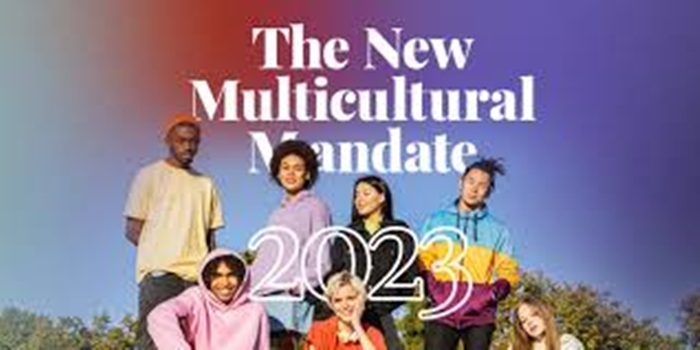
In this article, we explore multiculturalism, modern democracies, the principles, the policy and practices, multiculturalism and modern democracies, economic dimensions of multiculturalism, the challenges and the future.
Definition
Multiculturalism is a social and political concept that recognizes, respects, and encourages the coexistence of diverse cultural, ethnic, and religious groups within a society.
The Features of Multiculturalism:
Cultural diversity: Encourages preservation of different languages, traditions, and customs.
Equal recognition: Treats all cultural groups as having equal value and rights.
Inclusion and integration: Promotes participation of minority groups in society while respecting their cultural identity.
Policy support: Governments may implement laws, education programs, and anti-discrimination measures to support diversity.
Benefits of Multiculturalism
Social enrichment: Exposure to different cultures enhances creativity, innovation, and cultural understanding.
Economic growth: Diverse workforces can drive entrepreneurship and global competitiveness.
Social cohesion: Encourages tolerance and reduces prejudice when managed inclusively.
Political representation: Minority groups gain a voice in policymaking.
Modern Democracies:
Modern democracy is a system of government in which power rests with the people, who exercise it directly or through elected representatives. It emphasizes political participation, rule of law, and protection of individual rights.
Features of Modern Democracies
Popular Sovereignty: Authority comes from the people through elections and referendums.
Representative Government: Citizens elect leaders to make decisions on their behalf.
Rule of Law: Everyone, including leaders, is subject to the law.
Separation of Powers: Government functions are divided among executive, legislative, and judicial branches to prevent abuse of power.
Political Pluralism: Multiple parties and viewpoints coexist, allowing debate and competition.
Protection of Rights and Freedoms: Guarantees freedoms of speech, press, assembly, and religion.
Transparency and Accountability: Governments are accountable to citizens through elections, oversight, and free media.
Benefits of Modern Democracies
Encourages citizen participation and civic engagement.
Protects individual rights and minority groups.
Promotes peaceful transitions of power.
Provides a framework for social and economic development.
Principles of Multiculturalism in Modern Democracies:
Equality and Non-Discrimination
All cultural, ethnic, and religious groups have equal rights under the law.
Policies protect minorities from discrimination and promote social justice.
Cultural Recognition and Respect
Societies acknowledge and celebrate diverse languages, traditions, and customs.
Cultural expression is supported in public life, education, and media.
Inclusion and Participation
Minority groups are encouraged to actively participate in political, social, and economic life.
Decision-making processes are inclusive, giving all communities a voice.
Integration without Assimilation
Encourages newcomers to contribute to society while preserving their cultural identity.
Balances individual cultural expression with shared civic values.
Social Cohesion and Unity
Promotes tolerance, mutual respect, and peaceful coexistence.
Seeks to prevent cultural conflicts while fostering a shared sense of belonging.
Protection of Right
Upholds freedom of religion, speech, and association for all communities.
Ensures minorities can practice their culture without interference.
Multiculturalism as Policy and Practice
In democratic contexts, multiculturalism operates through:
Anti-discrimination laws
Cultural and religious accommodations
Language rights and education policies
Representation of minorities in public institutions
These policies aim to ensure that diversity does not result in inequality or marginalization.
Historical Roots of Multiculturalism in Democracies
Postwar Migration and Social Change
Multiculturalism gained prominence after World War II due to:
Labor migration to industrialized countries
Decolonization and migration from former colonies
Refugee movements driven by conflict and persecution
These demographic shifts challenged homogeneous notions of nationhood and forced democracies to reconsider integration models.
Multiculturalism and Modern Democracies
Equality and Right
Democracies protect the rights of all citizens, including minority groups.
Multiculturalism ensures that cultural, religious, and ethnic groups are treated equally under the law.
Political Participation
Modern democracies encourage citizens to engage in decision-making.
Multiculturalism supports representation of diverse communities in government, politics, and civic life.
Social Cohesion and Stability
Democracies require social unity to function effectively.
Multiculturalism fosters tolerance, mutual respect, and peaceful coexistence among diverse groups.
Cultural Recognition and Freedom
Democracies uphold freedom of expression, religion, and association.
Multiculturalism allows individuals to maintain cultural identities while participating in the broader society.
Policy Integration
Democratic governments can implement multicultural policies, such as education programs, anti-discrimination laws, and cultural funding, to support inclusion.
Economic Dimensions of Multiculturalism
Opportunity and Inequality
Economic inclusion is critical to multicultural success:
Cultural recognition alone cannot address economic marginalization.
Inequality can reinforce ethnic and cultural divisions.
Effective multiculturalism must be paired with social and economic policies promoting opportunity.
Diversity and Innovation
Proponents argue that diversity benefits democracies by:
Encouraging creativity and innovation
Expanding global economic connections
Enhancing adaptability in a globalized world
These benefits depend on inclusive institutions and equal access.
Challenges and Limitations
Managing Cultural Conflict
Multicultural societies face inevitable conflicts:
Disputes over values, norms, and practices
Tensions between free expression and respect
Clashes between majority and minority expectations
Democratic institutions must manage these conflicts peacefully and fairly.
Policy Fatigue and Symbolism
Some critics argue multiculturalism has become:
Overly symbolic rather than substantive
Focused on identity at the expense of social unity
This has prompted calls for renewed emphasis on civic integration.
The Future of Multiculturalism in Democracies
Modern democracies are increasingly moving toward hybrid models:
Strong civic foundations combined with cultural recognition
Emphasis on shared democratic values alongside diversity
Integration policies that promote interaction and mutual understanding
The future of multiculturalism will depend on how democracies address inequality, political polarization, and global migration.
Conclusion
Multiculturalism in modern democracies reflects the evolving reality of diverse societies. At its best, it promotes inclusion, equality, and democratic legitimacy by recognizing that cultural diversity and shared citizenship can coexist. At its worst, when poorly managed, it risks social fragmentation and political backlash.