


Introduction
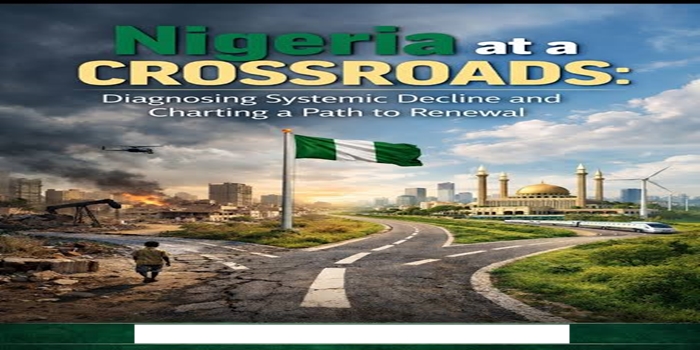
Nigeria stands at a critical crossroads, facing challenges such as insecurity, unemployment, corruption, poverty, and economic hardship. Despite its enormous resources and human potential, many citizens continue to struggle with the realities of everyday life. This raises an important question: What kind of leadership do Nigerians truly want? Beyond political promises and party affiliations, citizens desire leaders who demonstrate integrity, competence, accountability, and genuine commitment to national development. As Nigeria looks towards the future, the need for visionary and people-centred leadership has never been greater.
- Leadership Beyond Political Promises
Over the years, Nigerians have listened to countless political promises about economic transformation, employment creation, improved infrastructure, affordable healthcare, quality education, and national security.
However, the difference between political promises and actual performance remains a major concern.
Citizens want leaders who understand that occupying public office is a responsibility, not a privilege. Leadership should be measured by its impact on people’s lives rather than political popularity or campaign speeches.
A successful leader should be judged by the quality of roads, schools, hospitals, security, employment opportunities, and economic conditions created under their administration.
Nigerians want leaders who prioritise results over rhetoric and public service over personal ambition.
- Citizens Want Integrity and Accountability
One of Nigeria’s greatest governance challenges is corruption and the mismanagement of public resources.
Citizens want leaders who are transparent in their decisions and accountable for how public funds are spent. They want institutions that investigate wrongdoing fairly, enforce the law, and ensure that nobody is above accountability.
Public money should be used to improve education, healthcare, infrastructure, security, and economic opportunities rather than serve private interests.
Beyond fighting corruption through political speeches, leaders must demonstrate honesty through their actions.
Nigerians deserve leaders who can be questioned without becoming hostile, criticised without intimidating opponents, and held accountable without hiding behind political power.
- Economic Leadership That Understands the People
The economic realities facing ordinary Nigerians have made effective economic leadership more important than ever.
Rising food prices, transportation costs, unemployment, inflation, and business difficulties have placed enormous pressure on households.
Citizens want leaders who understand that economic development should translate into improved living conditions.
They want policies that encourage investment, support local industries, strengthen agriculture, create employment, and reduce unnecessary barriers to business growth.
Economic reforms may sometimes be necessary, but governments must consider their effects on vulnerable households and provide appropriate support.
A growing economy should not exist only in official statistics. Nigerians want to experience its benefits through better incomes, affordable essential goods, stable businesses, and improved living standards.
- Security Must Become a National Priority
No country can achieve meaningful development without protecting the lives and property of its citizens.
Insecurity affects businesses, agriculture, education, transportation, investment, and community development.
Nigerians want leaders who take security seriously and demonstrate the commitment to protect every community, regardless of ethnic, religious, or political identity.
This requires stronger security institutions, effective intelligence gathering, professional policing, community cooperation, and strategies that address the underlying causes of violence and criminality.
Citizens should be able to travel, work, attend school, and conduct business without living in constant fear.
Protecting human life must remain one of the most important responsibilities of government.
- Young Nigerians Want Opportunities, Not Just Political Promises
Nigeria’s youthful population represents one of its greatest development opportunities.
Young Nigerians are talented, innovative, ambitious, and increasingly involved in technology, agriculture, entertainment, entrepreneurship, and other industries.
However, unemployment, inadequate educational opportunities, limited access to funding, and poor infrastructure continue to restrict their potential.
Young people want leaders who will invest in education, vocational training, technology, entrepreneurship, and job creation.
They also want opportunities to participate in governance and decision-making.
The future of Nigeria should not be determined without the involvement of the generation that will inherit it.
A country that invests in its young people invests in its own future.
- Nigerians Want Inclusive Leadership
Nigeria’s diversity should be a source of national strength rather than political division.
Citizens want leaders who respect different ethnic groups, religious beliefs, cultural identities, and regional interests.
Leadership should promote fairness, justice, equal opportunities, and national unity.
No Nigerian should feel excluded from national development because of their background or geographical location.
The country needs leaders who can bring people together around shared national goals rather than exploit differences for political advantage.
True national unity is built through fairness, mutual respect, and equal treatment.
- Strong Institutions and Democratic Accountability
Nigeria needs more than influential political personalities. It needs strong institutions capable of delivering results regardless of who occupies public office.
The judiciary must remain independent, the legislature must perform its oversight responsibilities, and electoral institutions must protect the credibility of democratic processes.
Public institutions should serve the people rather than political interests.
Citizens also have a responsibility to participate actively in democracy by voting responsibly, asking questions, monitoring government activities, and demanding accountability.
Democracy should not end after elections. It requires continuous citizen participation.
- The Leadership Nigeria Needs
The future of Nigeria depends significantly on its ability to develop a leadership culture built around essential values.
Nigerians need leaders who demonstrate:
Integrity: Honesty and transparency in public service.
Competence: The knowledge and ability to solve national problems.
Accountability: Willingness to accept responsibility for decisions and actions.
Empathy: Understanding the everyday struggles of ordinary citizens.
Vision: Clear direction and realistic plans for national development.
Courage: Readiness to make difficult decisions in the national interest.
Inclusiveness: Commitment to fairness, unity, and equal opportunities.
Patriotism: Putting the country’s interests above personal and political ambitions.
Conclusion
Nigeria needs leadership that prioritizes the people, promotes unity, creates opportunities, and delivers meaningful development. Citizens deserve leaders who are honest, accountable, competent, and committed to national progress. The country’s future should not be built on empty promises but on purposeful actions and responsible governance. Ultimately, transforming Nigeria requires not only better leaders but also citizens who are willing to demand accountability and make informed choices. Nigeria is at a crossroads, and the leadership decisions made today will determine the future generations inherit.
READ: Nigerian Youths: Why Should Young People Take Politics Seriously?