


Introduction
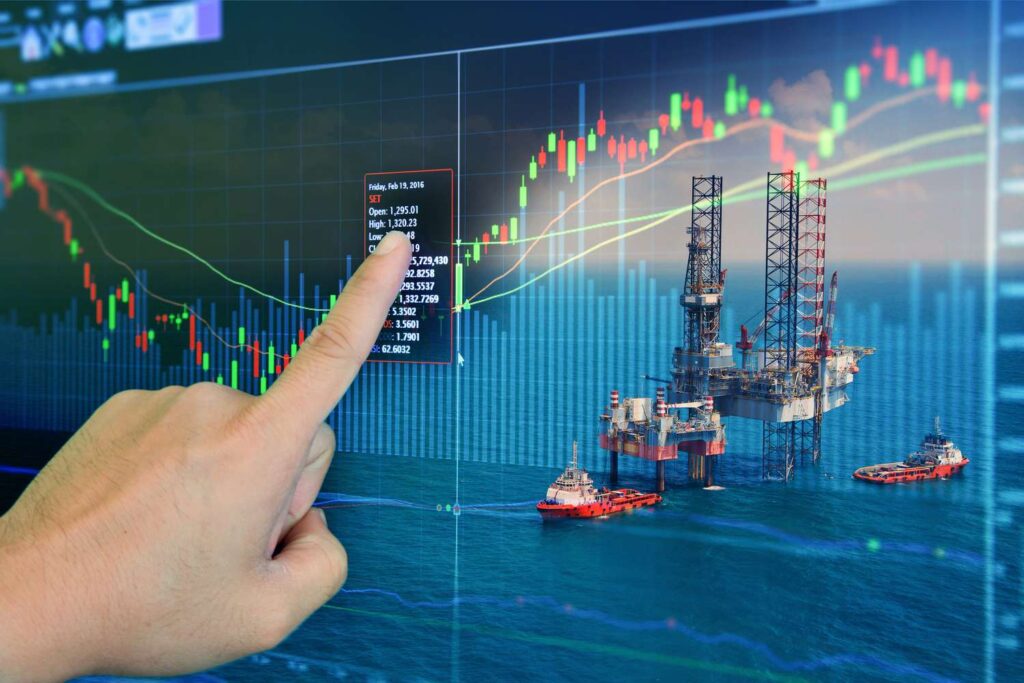
The oil market is one of the most dynamic and complex arenas in the global economy. Oil prices are influenced by a myriad of factors, leading to significant fluctuations that can affect everything from transportation costs to geopolitical stability. Understanding the market dynamics behind these fluctuations is crucial for businesses, governments, and consumers alike.
Oil price fluctuations affect economies, businesses, and consumers worldwide. Learn the factors behind changing oil prices and today’s evolving energy market.
What Are Oil Price Fluctuations?
Oil price fluctuations refer to the continuous rise and fall in the market price of crude oil over time. It is the changes in the market price of crude oil over time. Prices are largely determined by supply and demand dynamics in international markets and are influenced by numerous external events.
Major Factors Influencing Oil Price Fluctuations
Global Supply and Demand
Supply and demand remain the primary drivers of oil prices.
When global demand exceeds supply, prices generally increase. Conversely, when supply outpaces demand, prices typically decline. The demand for oil increases due to economic growth, for instance prices tend to rise. Conversely, when demand falls, such as during a recession, prices typically decline. On the supply side, OPEC (Organization of the Petroleum Exporting Countries) plays a vital role by controlling production levels among member countries to stabilize or influence prices.
Geopolitical Tensions
Geopolitical events can lead to significant fluctuations in oil prices. Conflicts in oil-rich regions, trade sanctions, or political instability can disrupt supply chains, creating panic in the market. For example, the war in Ukraine and tensions in the Middle East often lead to price spikes as investors react to the potential for supply disruptions.
Market Speculation
Financial markets also play a crucial role in oil price dynamics. Traders and investors often speculate on future oil prices, which can lead to price volatility. This speculation is influenced by reports on inventory levels, economic data, and forecasts of future demand. As traders react to news and trends, prices can swing dramatically in short periods.
Technological Advances
Technology also impacts oil prices through improved extraction and production methods. Techniques such as fracking have increased the supply of oil, particularly in the U.S., leading to lower prices. However, as technology evolves, the cost of production can also change, influencing market dynamics.
Economic Growth
Global economic performance directly affects energy demand.
During periods of strong economic growth Manufacturing expands, Air travel increases, Freight transportation rises and Industrial energy consumption grows.
These activities increase oil demand and often support higher prices.
Also during economic slowdowns or recessions, demand weakens, leading to lower oil prices.
Environmental Policies and Regulations
As the world shifts towards renewable energy, environmental policies can impact oil demand. Stricter regulations on carbon emissions and increased investment in alternative energy sources can lead to reduced reliance on fossil fuels, potentially decreasing oil prices in the long term.
Technological Advances
Technology also impacts oil prices through improved extraction and production methods. Techniques such as fracking have increased the supply of oil, particularly in the U.S., leading to lower prices. However, as technology evolves, the cost of production can also change, influencing market dynamics.
Natural Disasters
Hurricanes, floods, earthquakes, and other natural disasters can temporarily disrupt oil production, refinery operations, and transportation infrastructure.
Such disruptions often reduce supply and create short-term price spikes.
Effects of Oil Price Fluctuations
Impact on Oil and Gas Companies
Oil price changes directly affect:
- Revenue generation
- Profit margins
- Capital investment
- Exploration activities
- Employment levels
- Equipment procurement
When prices fall significantly, companies may delay projects, reduce operational costs, or suspend exploration programs.
Impact on Consumers
Consumers experience the effects of oil price changes through:
- Fuel prices
- Transportation costs
- Airline ticket prices
- Electricity costs in some regions
- Prices of manufactured goods
Higher oil prices generally contribute to increased living expenses.
Impact on National Economies
Oil exporting countries often benefit from higher oil prices through increased government revenue and foreign exchange earnings.
Conversely, countries that rely heavily on oil imports may face:
- Higher inflation
- Increased trade deficits
- Currency pressure
- Rising production costs
Impact on Investment
Oil price volatility influences investment decisions across the energy sector.
Periods of stable prices encourage:
- New exploration projects
- Infrastructure development
- Technology investments
- Local content development
Extended periods of low prices often result in reduced investment and slower industry growth.
Strategies for Managing Oil Price Volatility
Oil and gas companies can reduce the impact of market fluctuations through effective planning and risk management.
Key strategies include:
- Diversifying energy portfolios
- Investing in operational efficiency
- Implementing predictive maintenance
- Adopting digital technologies
- Strengthening supply chain resilience
- Using financial hedging where appropriate
- Improving cost management
- Expanding natural gas and renewable energy investments
These measures help businesses remain competitive regardless of market conditions.
Conclusion
Oil price fluctuations are an inevitable feature of the global energy market, driven by a complex combination of supply and demand, geopolitical events, economic performance, technological progress, and environmental policies. These price movements influence everything from corporate profitability and government revenue to consumer spending and global investment.
For oil and gas companies, understanding market dynamics is essential for making informed strategic decisions, managing risks, and maintaining long-term competitiveness. By investing in advanced technologies, improving operational efficiency, and adapting to changing market conditions, businesses can successfully navigate price volatility while positioning themselves for sustainable growth in the evolving energy landscape.