


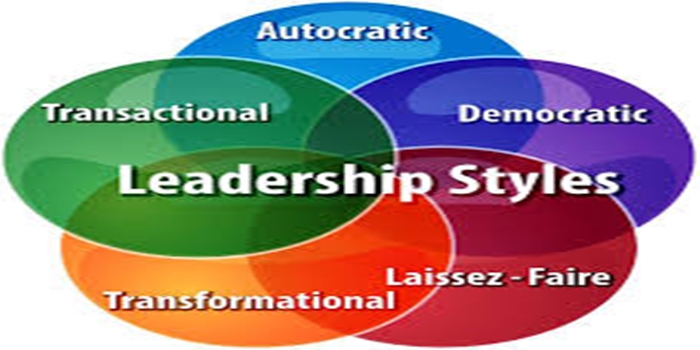
In this article, we discussed political leadership, democratic and participatory leadership, technocratic leadership, charismatic leadership, leadership style and nation-building.
Definition
Political leadership involves influencing the political process, directing state functions, and inspiring collective action to achieve public goals. It requires a blend of vision, strategic decision-making, ethical responsibility, and effective communication to manage societal challenges. Effective leaders, such in Nigeria, often combine political acumen with a focus on national development.
Characteristics of Political Leadership
Vision and Strategy: Establishing a clear direction for the future of a nation or group.
Decision-Making: The ability to make crucial choices in difficult or uncertain circumstances.
Influence and Communication: Persuading and mobilizing citizens toward shared objectives.
Ethical Integrity: Operating with a strong moral foundation and sense of responsibility.
Adaptability: The ability to navigate complex, changing, and chaotic environments.
Policy Implementation: Translating political agendas into actionable policies that address societal problems.
Crisis Management: Providing direction during times of adversity.
Resource Stewardship: Managing national resources for collective, long-term interests.
Legitimacy: Ensuring the stability and acceptance of the government.
Dimensions of Leadership
Political Cunning: The skills required to gain and maintain power.
Political Conscience: The moral imperative to act in the best interest of the community.
Democratic and Participatory Leadership
Democratic leadership emphasizes inclusiveness, consultation, and shared decision-making.
Respect for constitutional limits
Regular free and fair elections
Strong institutions
Civil society engagement
Impact on Nations:
Democratic leaders build:
Institutional stability
Public trust
Policy continuity
Accountability mechanisms
For instance, Angela Merkel led Germany with a consensus-driven and pragmatic approach, strengthening Germany’s political stability and economic leadership in Europe.
Strengths: Legitimacy, accountability, long-term institutional growth.
Risks: Slower decision-making; vulnerability to political gridlock.
Technocratic Leadership
Technocratic leaders prioritize expertise, evidence-based policy, and administrative efficiency over ideological rhetoric.
Emphasis on professional competence
Data-driven decision-making
Economic management focus
Limited populist appeal
Impact on Nations:
Technocratic leadership can:
Stabilize economies during crises
Improve governance efficiency
Build credibility with international institutions
For example, Lee Kuan Yew transformed Singapore into a global financial and technological hub through disciplined governance and long-term planning.
Strengths: Efficiency, economic growth, institutional performance.
Risks: May limit political freedoms; may lack emotional connection with citizens.
Charismatic Leadership
Charismatic leaders rely heavily on personal magnetism and symbolic authority.
Strong personal appeal
Emotional connection with citizens
Dominant public presence
Direct communication style
Charismatic leadership can mobilize societies quickly and create strong national movements. However, such systems often depend heavily on the leader’s personality rather than durable institutions.
When charismatic leaders exit the scene, political systems may struggle if institutions are weak.
Leadership Style and Nation-Building
The long-term success of a nation depends not only on leadership style but also on:
Institutional strength
Political culture
Economic conditions
Civil society engagement
Rule of law
A nation shaped by inclusive, accountable leadership tends to build durable institutions. In contrast, leadership styles that concentrate power excessively often weaken democratic foundations.
Conclusion
Political leadership styles are diverse approaches used by leaders to make decisions, motivate followers, and manage national affairs, ultimately shaping a nation’s policy outcomes, culture, and development. These styles, often blended in practice, range from centralized, authoritative control to collaborative, democratic processes.