


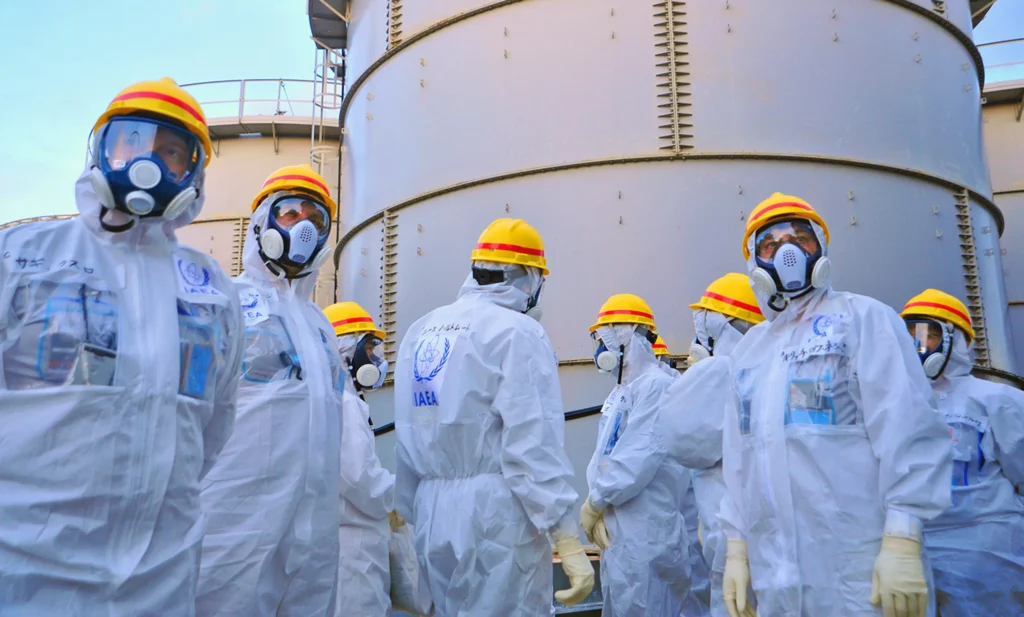
Introduction
Radioactive materials are commonly associated with nuclear power plants or medical facilities, but in reality, radioactive activities can also occur within or near residential areas. These activities may arise from industrial operations, improper waste disposal, mining, construction materials, or even certain household products. When radioactive substances are not properly managed, they pose serious health and environmental risks to people living nearby. Understanding these activities and their potential effects is essential for protecting public health and ensuring a safe living environment.
Sources of Radioactive Activities in Residential Areas
Industrial and Medical Facilities
Hospitals and laboratories use radioactive materials for diagnosis, cancer treatment, and research. When waste from these facilities is poorly handled or disposed of near residential zones, it can lead to environmental contamination.
Improper Disposal of Radioactive Waste
Unauthorized dumping of radioactive waste from industries, research centers, or mining operations can contaminate soil, water, and air around living areas.
Mining and Oil & Gas Operations
Certain mining activities and oil and gas operations expose naturally occurring radioactive materials (NORM). Without strict safety measures, these materials can spread into nearby communities.
Building Materials
Some construction materials, such as granite or phosphate-based products, may contain low levels of natural radiation. Prolonged exposure in poorly ventilated homes can increase radiation dose.
Household and Consumer Products
Smoke detectors, old luminous watches, and some electronic components contain small amounts of radioactive substances. While generally safe, improper disposal can create localized risks.
Health Effects of Radiation Exposure
Radiation exposure can affect the human body in different ways depending on the level and duration of exposure.
- Increased Risk of Cancer
One of the most serious effects of radiation exposure is an increased risk of cancers such as leukemia, thyroid cancer, and lung cancer. - Damage to Body Cells
Radiation can damage or destroy body cells, which may interfere with normal body functions. - Genetic Mutations
Radiation can alter DNA structures, which may lead to genetic mutations that can be passed on to future generations. - Reproductive Problems
Exposure to high levels of radiation can affect fertility and may cause birth defects in unborn children. - Skin Burns and Radiation Sickness
High doses of radiation over a short period can cause skin burns, nausea, fatigue, and radiation sickness.
Environmental Impact
Radioactive contamination does not only affect humans; it also impacts the environment.
Soil Contamination
Radioactive particles can remain in the soil for many years, affecting agriculture and food production.
Water Pollution
If radioactive waste enters rivers, lakes, or groundwater, it can contaminate drinking water sources.
Damage to Plants and Wildlife
Radiation exposure can disrupt ecosystems, affecting plant growth and animal survival.
Preventive Measures and Safety Practices
To reduce the risks associated with radioactive activities near residential areas, several safety measures should be implemented.
Strict Regulatory Control
Governments should enforce strict regulations on the use, transport, and disposal of radioactive materials.
Proper Waste Management
Radioactive waste should be stored in secure facilities and disposed of according to international safety standards.
Regular Environmental Monitoring
Authorities should continuously monitor radiation levels in communities near industrial or medical facilities.
Public Awareness and Education
Residents should be educated about radiation safety and how to respond to possible exposure incidents.
Safe Zoning Policies
Industries dealing with radioactive materials should be located far from residential areas to minimize exposure risks.
Conclusion
Radioactive activities around residential areas can pose serious threats to both public health and the environment if not properly controlled. While radioactive materials play important roles in medicine, industry, and research, their use must be carefully regulated to prevent harmful exposure. Governments, industries, and communities must work together to ensure proper management of radioactive materials, enforce safety regulations, and promote awareness. By doing so, the risks associated with radiation exposure can be significantly reduced, ensuring safer and healthier living environments for everyone.