


Introduction
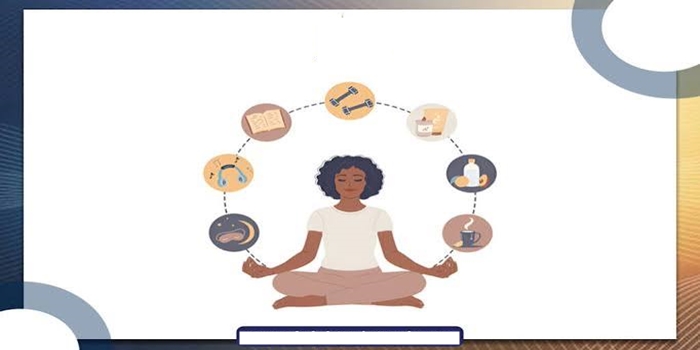
In today’s busy world, balancing work, relationships, and personal responsibilities can be challenging. These daily pressures can affect our mental wellness and leave us feeling stressed or overwhelmed. Fortunately, simple habits such as getting enough sleep, managing stress, and making time for yourself can help improve your well-being. In this article, we will explore practical ways to maintain better mental wellness and live a more balanced life in 2026.
- Start Your Day with a Positive Routine
How you begin your morning can influence how you approach the rest of your day. Waking up in a rush, immediately checking social media, or worrying about unfinished tasks can increase stress before your day even begins.
Instead, create a simple morning routine that allows you to start calmly. You could drink a glass of water, stretch for a few minutes, enjoy a quiet moment, or write down your priorities for the day.
You do not need to wake up extremely early or follow a complicated routine. The goal is to give yourself time to prepare mentally and physically for the day ahead.
A peaceful morning can help you feel more organized and less overwhelmed by everyday responsibilities.
- Get Enough Quality Sleep
Sleep is essential for both physical and mental health. Poor sleep can affect your concentration, energy levels, mood, and ability to manage stress.
Most adults need around seven to nine hours of sleep each night, although individual needs may vary.
To improve your sleep, try to maintain a consistent bedtime, reduce screen time before bed, and create a comfortable sleeping environment. Avoid consuming caffeine late in the day if it interferes with your rest.
You can also develop a relaxing evening routine by reading, listening to calming music, or preparing for the next day.
Remember that rest is not a waste of time. Giving your body and mind enough time to recover can help you approach daily challenges with greater energy and focus.
- Learn to Manage Stress
Stress is a normal part of life, but allowing it to build up without taking breaks can affect your overall well-being.
When you feel overwhelmed, pause and identify what is causing the pressure. Some problems can be addressed through planning, while others may require patience, support, or acceptance.
Simple activities such as taking a short walk, practicing slow breathing, listening to music, or writing down your thoughts may help you manage stressful moments.
You can also break large responsibilities into smaller tasks. Instead of trying to solve everything at once, focus on one manageable step at a time.
If stress becomes persistent or starts interfering with your daily life, consider seeking support from a qualified mental health professional.
- Set Healthy Boundaries
Sometimes, mental exhaustion comes from trying to please everyone while neglecting your own needs.
You may agree to additional responsibilities even when you are tired or feel guilty about saying no to requests. Over time, this can leave you frustrated and emotionally drained.
Healthy boundaries help you protect your time, energy, and personal space. They allow you to recognize your limits without feeling obligated to meet every expectation.
For example, you can politely explain when you are unavailable, ask for more time to complete a task, or limit conversations that make you uncomfortable.
Setting boundaries does not mean you do not care about others. It means recognizing that your well-being matters too.
- Reduce Excessive Social Media Use
Social media can help us connect with others, discover useful information, and enjoy entertainment. However, excessive use can sometimes affect our mood, attention, and self-esteem.
Constantly comparing your life with the carefully selected highlights of other people’s lives can make you feel as though you are not doing enough.
To develop healthier digital habits, limit unnecessary scrolling, turn off notifications that distract you, and unfollow accounts that consistently make you feel inadequate.
Try spending more time on activities that help you feel connected to the real world, such as reading, exercising, learning a skill, or talking with friends.
The goal is not to avoid technology completely but to use it in ways that support your well-being rather than consume all your attention.
- Make Time for Physical Activity
Physical activity can support mental wellness by improving mood, promoting better sleep, and helping the body manage stress.
You do not need an expensive gym membership or an intense workout routine to become more active. Walking, dancing, stretching, cycling, and other enjoyable activities are useful ways to begin.
Try incorporating movement into your daily schedule. Take a short walk when possible, stretch after sitting for long periods, or dance to your favorite music.
Start at a comfortable level and choose activities you can maintain consistently.
Remember that exercise should be a way to care for your body, not a punishment or another source of pressure.
- Stay Connected with People You Trust
Healthy relationships can provide emotional support, encouragement, and a sense of belonging.
When life becomes stressful, it can be tempting to withdraw from others. However, maintaining meaningful connections can help you feel less alone when facing difficult situations.
Make time to check in with friends and family, have meaningful conversations, or spend time with people whose company you enjoy.
You do not need a large social circle to benefit from connection. Even a few supportive relationships can make a difference.
It is also important to recognize relationships that consistently leave you feeling unsafe or emotionally exhausted and establish appropriate boundaries when necessary.
- Practice Gratitude and Self-Compassion
It is easy to focus on what is going wrong in life and overlook the things that are going well.
Practicing gratitude can help you pay attention to small positive experiences, such as a supportive conversation, a completed task, or a peaceful moment during a busy day.
You can write down two or three things you appreciate each evening. They do not have to be major achievements.
At the same time, learn to treat yourself with kindness when you make mistakes. Instead of criticizing yourself harshly, consider what you can learn from the experience and how you can move forward.
Gratitude does not mean ignoring your problems, and self-compassion does not mean avoiding responsibility. Both involve responding to your experiences with greater awareness and understanding.
- Make Time for Activities You Enjoy
Life can become exhausting when every day revolves around work, responsibilities, and obligations.
Making time for enjoyable activities can provide a healthy break from pressure and help you reconnect with yourself.
You could read a book, cook a favorite meal, listen to music, learn a new skill, spend time outdoors, or enjoy a hobby.
These activities do not need to generate income or improve your career to be valuable.
Even 15 minutes spent doing something you genuinely enjoy can make your routine feel more balanced.
Allow yourself to enjoy life without feeling that every moment must be productive.
- Create a Realistic Work-Life Balance
A balanced life does not mean giving equal time to every area of your life every day. It means making room for important responsibilities while protecting your health, relationships, and personal time.
Start by identifying your priorities and avoiding unnecessary commitments when possible. Break large tasks into manageable steps and take breaks during demanding periods.
If you work from home, establish a reasonable stopping time. If you have a busy schedule, try to protect at least some time for rest and personal activities.
Simple Daily Habits to Start Practicing Today
You do not need to adopt every habit at once. Begin with a few manageable changes:
Morning: Start your day calmly and identify your main priorities.
Afternoon: Take short breaks, eat regularly, drink water, and move your body.
Evening: Reduce unnecessary screen time and spend time on an enjoyable activity.
Before bed: Reflect on your day, prepare for tomorrow, and allow yourself time to unwind.
Consistency matters more than perfection. If you miss a day or experience a difficult week, simply return to your routine when you can.
Conclusion
Maintaining good mental wellness starts with small, consistent habits. Getting enough sleep, managing stress, setting healthy boundaries, and making time for yourself can help you live a healthier and more balanced life. Remember, you do not have to change everything at once. Start with simple steps, be patient with yourself, and prioritize your well-being every day. Your mental health matters, and taking care of yourself is an important step toward a happier, more fulfilling life.