


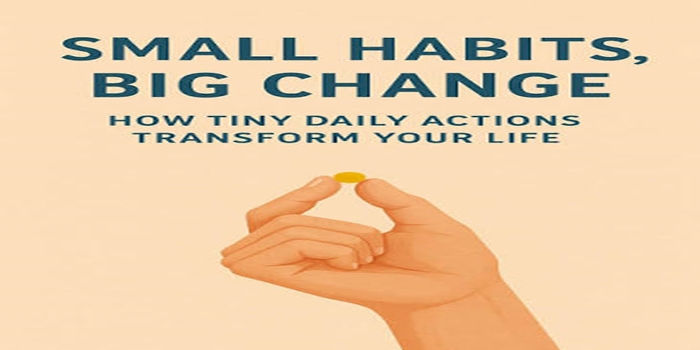
introduction
Life transformation is often associated with dramatic decisions: changing careers, moving to a new city, starting a business, ending a relationship, or completely changing your lifestyle. While major decisions can certainly shape our lives, meaningful transformation does not always begin with a huge step. In many cases, it begins with something much smaller, a decision to wake up earlier, drink more water, read a few pages each day, spend less time on your phone, organize your surroundings, or simply change the way you speak to yourself.
Changes That Can Completely Transform Yourself
- Start Your Day with Intention
One of the simplest changes you can make is to become intentional about how you begin your day. Many people wake up and immediately reach for their phones, check social media, respond to messages, or become overwhelmed by everything they need to accomplish.
Instead, create a simple morning routine that gives you a sense of direction.
You might spend the first few minutes’ drinking water, stretching, praying or meditating, writing down your priorities, reading, or simply sitting quietly before the demands of the day begin.
You do not need an elaborate two-hour morning routine. Even 15-30 minutes of intentional activity can change the way you approach the rest of your day.
- Make Your Bed and Organize Your Space
Making your bed may seem insignificant, but small acts of order can influence your mindset. When your environment is constantly cluttered, it can become more difficult to concentrate and relax.
Start with something simple.
Make your bed every morning. Put things back where they belong. Clean your workspace. Remove items you no longer need. Spend five or ten minutes each evening organizing your surroundings.
A clean environment will not solve every problem in your life, but it can create a greater sense of control and reduce unnecessary distractions.
Sometimes, creating a better life begins by creating a better environment.
- Read a Few Pages Every Day
You do not have to read an entire book every week to benefit from reading. Start with a few pages each day.
Ten pages a day may not seem impressive, but consistency matters. Over time, those pages become books, and those books can introduce you to new ideas, perspectives, skills, and possibilities.
Reading can help you develop:
Knowledge
Critical thinking
Communication skills
Creativity
Vocabulary
Self-awareness
Professional skills
Instead of waiting until you have plenty of free time, make reading a small daily habit. Ten minutes before bed can be enough to begin.
- Reduce Your Screen Time
Technology is useful, but excessive screen time can quietly consume hours of your life.
You may pick up your phone for five minutes and discover that an hour has passed. Repeated throughout the day, these small periods of distraction can significantly reduce the time available for meaningful activities.
Try making simple changes:
Turn off unnecessary notifications.
Keep your phone away while working.
Avoid checking social media immediately after waking up.
Set specific times for checking messages.
Take short periods away from your devices.
Unfollow accounts that consistently distract or negatively affect you.
- Drink More Water
Improving your physical well-being does not always require an extreme fitness program or complicated diet. Sometimes, start with something as basic as drinking enough water.
Keep a bottle nearby. Drink water when you wake up and throughout the day. Replace some sugary drinks with water.
Small improvements in everyday habits can contribute to better overall health and energy.
The important thing is not to pursue perfection. It is to make healthier choices more frequently.
- Walk Every Day
You do not necessarily need an expensive gym membership to become more physically active.
Walking is one of the simplest ways to introduce movement into your daily routine. Take a short walk in the morning or evening. Walk while taking a phone call when appropriate. Use the stairs when practical. Take short movement breaks if you spend long periods sitting.
The goal is to make movement a normal part of your lifestyle rather than something you only do when you feel motivated.
- Go to Bed a Little Earlier
Sleep is often treated as something that can be sacrificed whenever life becomes busy. However, consistently poor sleep can make it harder to concentrate, regulate emotions, maintain energy, and perform effectively
Instead of trying to completely change your sleeping schedule overnight, start by going to bed 15–30 minutes earlier.
Create a simple evening routine. Reduce stimulating activities before bedtime. Put your phone away when possible. Give your mind time to slow down.
- Stop Trying to Do Everything at Once
Trying to change ten areas of your life simultaneously can quickly become overwhelming
You decide to exercise every morning, read every day, start a business, learn a language, eat perfectly, wake up at 5 a.m., meditate, save money, and completely reorganize your life,
all at once.
After a few days, exhaustion sets in.
Instead, choose one or two changes at a time.
Build the habit.
Make it normal.
Then introduce another improvement.
Transformation becomes more sustainable when it is built gradually.
- Set Daily Priorities
Being busy does not necessarily mean being productive.
You can spend an entire day answering messages, scrolling online, attending to minor tasks, and still fail to accomplish what truly matters.
Every morning, identify the most important things you need to accomplish.
- Learn to Say No
Saying no is a small word that can create a major change in your life.
You cannot accept every invitation, request, responsibility, opportunity, and expectation placed before you.
Sometimes, saying yes to everything means saying no to your own priorities.
Learning to say no respectfully can protect your:
Time
Energy
Mental space
Relationships
Goals
Personal boundaries
You do not have to provide a long explanation every time you decline something. A simple and respectful I won’t be able to do that” can be enough.
11 Learn Something New
Make a commitment to learning something regularly.
It could be a professional skill, language, technology, writing, communication, cooking, photography, design, or another area that interests you.
Spend 15 minutes learning each day.
The goal is to remain curious.
The world is constantly changing, and continuous learning helps you adapt to new circumstances. A skill that seems small today may eventually create a career opportunity, business idea, or personal breakthrough.
- Stop Comparing Your Life to Others
Comparison can quietly steal your satisfaction.
Someone else may appear more successful, wealthy, attractive, educated, confident, or accomplished. But you rarely see the complete story behind another person’s life
Instead of asking, why am I not where they are? ask:
Am I making progress compared with who I was before?
Measure your growth against your own previous efforts.
Your journey has its own circumstances, challenges, opportunities, and timeline.
- Take Five Minutes to Reflect
At the end of each day, spend a few minutes reflecting.
What went well today?
What could I have done differently?
What did I learn
What should I improve tomorrow?
What am I grateful for?
Reflection turns everyday experiences into lessons.
Without reflection, we can repeat the same mistakes without understanding why. A few quiet minutes can help you become more aware of your choices and patterns.
- Keep Promises to Yourself
Every time you make a commitment to yourself and keep it, you strengthen self-trust.
If you tell yourself you will read for ten minutes, do it.
If you decide to take a walk, take the walk.
If you establish a bedtime, respect it.
These actions may appear insignificant, but they teach you that your own decisions matter.
Self-confidence is not only built by achieving enormous goals. It is also built through repeatedly proving to yourself that you can depend on yourself.
15.Celebrate Small Progress
Many people abandon their goals because they expect immediate transformation.
They exercise for a week and expect dramatic physical changes. They start saving money and become frustrated that they are not financially independent. They begin learning a skill and become discouraged because they are still beginners.
Give yourself permission to be a beginner.
Celebrate progress.
The goal is not to become perfect immediately. The goal is to become slightly better than you were before.
Small progress is still progress.
Conclusion
Small changes may seem insignificant, but when practiced consistently, they can create powerful and lasting results. Improving your habits, mindset, health, relationships, and daily routines can gradually transform the direction of your life. You do not have to change everything at once, start with one small step, remain consistent, and allow each positive choice to build a better future.
READ:Balancing Work and Life in the Digital Age