


Introduction
In Nigeria, elections are often considered by many security challenges that threaten electoral integrity, voter participation, and political stability. These challenges arise before, during, and after elections and involve political actors, criminal groups, security agencies, and institutional weaknesses. The persistence of these issues has made election security a major concern for policymakers, electoral bodies, and civil society organizations.
Election Security Challenges in Nigeria:
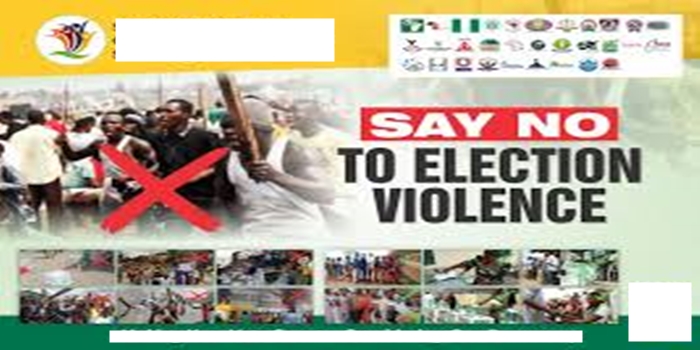
Electoral Violence
Elections in Nigeria are frequently accompanied by violence that occurs during campaigns, voting, and post-election periods. Political actors sometimes recruit political thugs to intimidate opponents and disrupt voting processes. These thugs engage in activities such as attacking voters, destroying electoral materials, and causing chaos at polling stations.
Attacks on Electoral Institutions
Electoral institutions and infrastructure are increasingly becoming targets of violence.
The Independent National Electoral Commission (INEC) offices, which store election materials and manage voter registration, have been attacked repeatedly.
Proliferation of Small Arms and Light Weapons
The widespread availability of illegal firearms poses a serious threat to election security.
Thousands of illicit weapons circulate across Nigeria, many of which are used by criminal groups and political thugs. Authorities have seized thousands of illegal arms, yet many remain unaccounted for in black markets.
Vote Buying and Electoral Corruption:
Vote buying has become a major feature of Nigerian elections. Political actors distribute money, food, and other incentives to voters in exchange for votes.
This practice undermines democratic principles and contributes to election insecurity because:
It leads to competition among political actors
It encourages violent clashes between party agents
It erodes the credibility of election results
Economic hardships such as cash shortages and poverty may make voters more vulnerable to vote buying during elections.
Weaknesses in Electoral Logistics and Technology
Logistical challenges and technical failures can also create security problems.
During elections, problems such as:
Late arrival of election materials
Failure of electronic voting devices
Poor training of electoral officials
have caused tension and protests among voters.
Political Intolerance and Hate Speech
Nigeria’s political environment is often characterized by ethnic, religious, and regional divisions. Political actors sometimes exploit these divisions to mobilize support.
Campaign rhetoric may include:
Hate speech
Ethnic profiling
Religious manipulation
Such rhetoric can incite violence between supporters of different political parties and contribute to electoral tensions.
Social media has also amplified political misinformation and inflammatory messages, increasing polarization during election periods.
- Weak Law Enforcement and Impunity
Another major challenge is the lack of accountability for electoral offenders.
Although Nigeria has laws against election violence and malpractice, enforcement remains weak. Many perpetrators of electoral violence are rarely prosecuted.
This culture of impunity encourages repeated offenses because political actors believe they will not face consequences.
Weak coordination among security agencies further complicates election security management.
Displacement and Voter Disenfranchisement
Conflict and insecurity have displaced millions of Nigerians from their homes.
Internally displaced persons (IDPs) often face difficulties participating in elections because:
Their polling units may be located in unsafe areas
They may lack voter identification documents
Special voting arrangements may not be adequately implemented
This situation undermines electoral inclusiveness and democratic participation.
Mistrust in Electoral Institutions
Public confidence in electoral institutions remains fragile.
Many Nigerians believe elections are manipulated through:
Result falsification
Manipulation during collation
Political interference
When citizens distrust electoral processes.
Measures to Improve Election Security in Nigeria
- Strengthening Security Agencies
Security agencies must be better equipped and trained to manage election security and respond quickly to threats.
- Electoral Reforms
Improving electoral laws and procedures can reduce manipulation and enhance transparency.
- Technology Integration
Technological tools such as biometric verification and electronic transmission of results can reduce fraud and increase confidence in elections.
- Prosecution of Electoral Offenders
Establishing special electoral courts and prosecuting offenders would deter electoral violence and malpractice.
- Civic Education
Educating voters about democratic values and peaceful participation can reduce violence during elections.
- Conflict Prevention Strategies
Political parties and community leaders should promote peaceful campaigns and dialogue to reduce tensions.
Conclusion
Election security challenges remain a major obstacle to democratic consolidation in Nigeria. Issues such as electoral violence, armed groups, attacks on electoral infrastructure, proliferation of illegal weapons, vote buying, logistical failures, and weak law enforcement continue to undermine the credibility of elections.