


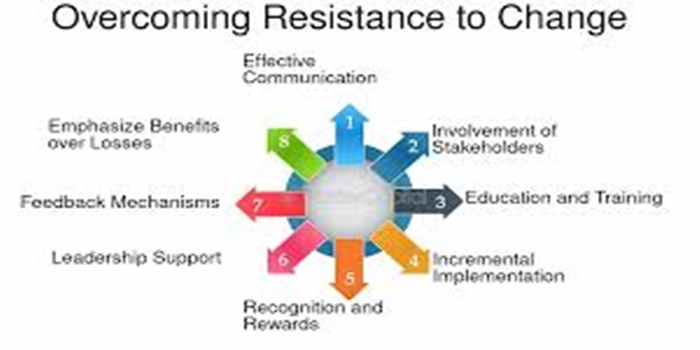
In this article, we discussed resistance to change, the types of resistance, principles of overcoming resistance, the strategies, role of consultants in managing resistance.
Definition
Resistance to change refers to behaviors, attitudes, or emotions that slow down or block the adoption of new ways of working. It can be visible (overt opposition, complaints) or invisible (apathy, decreased performance).
Overcoming resistance is therefore a critical element of successful change management. It requires a strategic, empathetic, and systematic approach that addresses both the rational and emotional dimensions of change.
Common Reasons for Resistance include:
Fear of job loss or reduced relevance
Uncertainty and lack of clarity about the change
Loss of control or autonomy
Threats to status or power
Previous negative experiences with change
Poor communication or lack of trust in leadership
Recognizing the root causes of resistance is essential for effective intervention.
The Types of Resistance:
Individual Resistance, stemming from personal fears, skill gaps, or reluctance to adopt new behaviors.
Group Resistance, based on team norms, peer pressure, or collective skepticism.
Organizational Resistance, embedded in culture, processes, and structures that favor stability.
Principles for Overcoming Resistance:
People-Centered Approach Change affects people first; addressing emotional and psychological impacts is critical.
Transparent Communication Clear, honest messaging reduces uncertainty.
Participation and Inclusion Involving employees in planning and execution increases ownership.
Visible Leadership Commitment Leaders must model the behaviors they expect.
Continuous Engagement, Resistance management is ongoing, not a one-time activity.
Strategies for Overcoming Resistance:
Communication
Share the rationale, vision, and expected benefits of change.
Provide regular updates and progress reports.
Facilitate two-way communication, allowing employees to ask questions and voice concerns.
Employee Participation
Involve employees in decision-making and design processes.
Use focus groups, workshops, and brainstorming sessions.
Empower staff to suggest solutions and improvements.
Leadership Role Modeling
Leaders must adopt new behaviors themselves.
Demonstrate commitment by actively using new systems or processes.
Communicate consistently to reinforce expectations.
Training and Skill Development
Offer targeted training to bridge skill gaps.
Provide coaching and mentoring.
Use simulations and hands-on exercises to increase confidence.
Emotional Support
Acknowledge and validate emotional reactions.
Create safe spaces for discussion.
Provide guidance to help employees cope with stress and uncertainty.
Change Champions and Influencers
Identify respected employees to advocate for change.
Leverage informal networks to build support.
Use peer influence to reinforce adoption of new behaviors.
Incentives and Reinforcement
Align rewards, recognition, and performance systems with desired behaviors.
Remove incentives that encourage old ways of working.
Celebrate milestones and successes.
Role of Consultants in Managing Resistance:
Consultants can:
Provide objective analysis of organizational readiness
Facilitate difficult conversations
Train leaders and staff in change management techniques
Assist with communication strategies
Phased Implementation
Pilot initiatives in smaller areas before full rollout.
Use incremental changes to reduce fear and disruption.
Incorporate feedback from each phase to improve adoption.
Managing Power and Politics
Understand who gains or loses power due to change.
Engage stakeholders to address concerns and negotiate compromises.
Ensure fairness and transparency in role or responsibility changes.
Common Mistakes to Avoid
Underestimating emotional impact on employees
Over-relying on authority rather than engagement
Poor or inconsistent communication
Ignoring informal networks and influencers
Rushing implementation without adequate preparation
Conclusion
Resistance is not a failure of strategy; it is a human signal indicating a need for better communication, support, and psychological safety. By treating resistance as a diagnostic tool rather than an obstacle, organizations can transform skepticism into active participation and innovation.
READ: Understanding the Concept of Market Entry Strategies