


Introduction
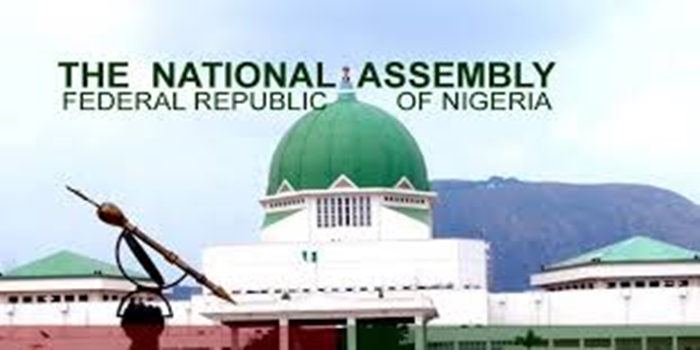
The National Assembly is Nigeria’s federal legislature, responsible for making laws, overseeing government actions, and representing the people at the national level. It is bicameral, meaning it has two chambers.
The Role of the National Assembly in Todays Nigeria:
The National Assembly’s most visible and critical role is legislation:
Drafting and Enacting Laws: Members propose bills covering diverse areas such as taxation, education, health, security, and technology.
Amending Existing Laws: Outdated or ineffective laws are reviewed and updated to reflect contemporary needs.
Checks on Executive Proposals: Bills proposed by the executive, including budgets and policy directives, require legislative approval before implementation.
Impact on Today’s Nigeria:
Legislation such as digital economy laws, data protection regulations, and social welfare programs demonstrate how the National Assembly shapes modern governance.
Law-making allows the Assembly to respond to emerging issues such as terrorism, cybersecurity, and economic diversification.
Oversight and Accountability
One of the most important roles of the National Assembly is oversight of the executive branch. This function ensures that government policies, programs, and expenditures are properly implemented:
Budget Oversight: Examining federal budgets to ensure fiscal discipline and alignment with national priorities.
Monitoring Ministries and Agencies: Through committees, the Assembly evaluates government projects, programs, and contracts.
Investigative Powers: The Assembly can summon ministers, public officials, and agency heads for questioning or hearings.
Significance:
Oversight combats corruption, prevents misuse of public funds, and reinforces public trust. Recent investigations into infrastructure spending, oil revenue management, and public procurement illustrate the Assembly’s influence in holding the executive accountable.
Representation of Citizens and Federal Constituencies
The National Assembly is the voice of the people:
Senators represent states at the federal level, ensuring that state interests are considered in national policymaking.
House members represent federal constituencies, advocating for local priorities and developmental needs.
Impact:
Through constituency projects, advocacy, and public hearings, legislators bring citizens’ concerns to the national agenda. This representation is critical in a country as ethnically, religiously, and geographically diverse as Nigeria.
Budget Approval and Fiscal Responsibility
The National Assembly plays a pivotal role in budgetary matters, a function that directly affects economic planning and national development:
Budget Review: Approves or amends the president’s proposed budget.
Revenue Allocation: Participates in decisions on how resources are distributed among states and federal projects.
Financial Accountability: Ensures that public funds are spent efficiently and legally.
Example: Debates on the national budget for social welfare, infrastructure, and security often define political alliances and influence public perception of governance effectiveness.
Constitutional and Policy Influence
The Assembly has the power to:
Amend the Constitution: With a two-thirds majority in both chambers and approval by at least two-thirds of state assemblies.
Ratify Treaties: Approve international agreements and treaties negotiated by the executive.
Influence National Policy: Through laws, resolutions, and motions, the legislature shapes policy direction on critical issues like energy, education, and healthcare.
Modern Relevance:
For example, recent constitutional amendments on electoral reforms, local governance, and technology regulation demonstrate the Assembly’s ongoing impact on Nigeria’s policy framework.
Mediation Between Executive and Judiciary
The National Assembly acts as a mediator in inter-branch relations:
Confirms appointments of certain federal officials (e.g., judges, heads of regulatory agencies)
Adjudicates impeachment processes for the president, vice president, or federal judges
Provides legal and institutional checks that balance executive and judicial powers
This function reinforces Nigeria’s democratic stability and prevents authoritarian overreach.
Contemporary Challenges
Despite its constitutional powers, the National Assembly faces modern challenges:
Partisan Politics: Political loyalty sometimes overrides national interest, limiting effective law-making and oversight.
Corruption Allegations: Occasional scandals involving budget padding or mismanaged constituency projects erode public confidence.
Legislative Gridlock: Conflicts with the executive may stall critical bills or reforms.
Public Perception: Citizens sometimes view legislators as disconnected from grassroots needs.
Addressing these challenges is crucial for strengthening democracy and governance in Nigeria.
Emerging Roles in Today’s Nigeria
The 21st-century Nigerian National Assembly is evolving to meet modern demands:
Technology and E-Governance: Developing laws for data protection, cybercrime, and digital economy.
Security and Crisis Management: Legislating strategies for combating terrorism, banditry, and communal conflicts.
Youth Engagement: Promoting programs that empower youth participation in governance and national development.
Global Integration: Crafting policies aligned with international standards in trade, energy, and human rights.
The Assembly is increasingly a forum for innovation, national debate, and inclusive policy-making.
Conclusion
The National Assembly remains a cornerstone of Nigeria’s democracy. By performing its roles in law-making, oversight, representation, budgeting, and policy influence, it shapes national governance, safeguards citizens’ interests, and ensures accountability.
READ: The Rise of National Digital Learning Platforms