


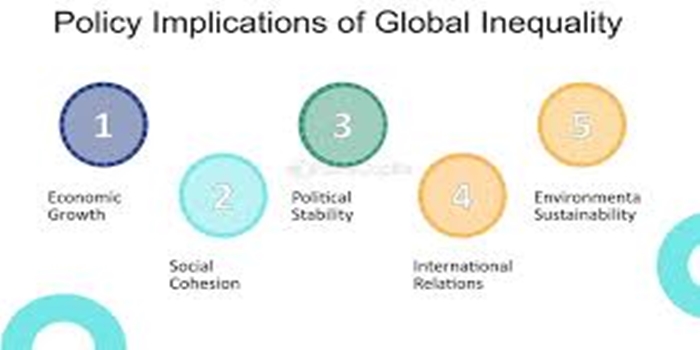
In this article, we explained global inequity, the features, the examples, the types, the strategies, advantages and disadvantages.
Definition
Global inequity refers to the massive and expanding differences in wealth, power, opportunity, and living conditions between nations and within them. It’s one of the defining challenges of the modern world, one that influences everything from life expectancy and education to political stability and climate vulnerability.
The Features of Global Inequality:
Income & Wealth Disparity: Extreme gaps between the richest (top 1%) and the poorest, with wealth concentrated in few hands, as seen through metrics like the Gini coefficient.
Unequal Access to Resources: Developing nations often lack capital, technology, clean water, healthcare, and education, hindering their global competitiveness.
Historical Legacies: Colonialism and its aftermath created weak economies and dependence, affecting wealth distribution today.
Trade Imbalances: Unfair global trade practices disadvantage poorer countries, perpetuating economic dependence.
Climate Change Impacts: Vulnerable populations suffer disproportionately from climate change, causing displacement and food insecurity, worsening existing inequalities.
Social & Political Instability: Large gaps between rich and poor foster social stratification, undermine trust, and can lead to conflict and instability.
Group-Based Disadvantage: Inequality persists due to factors like gender, race, ethnicity, and origin, creating barriers to opportunity.
Internal vs. Global Inequality: Inequality exists both between countries (international) and within them (intra-national), with trends varying but generally showing high levels globally.
Polarization: Growing gaps within the wealthy (top 1% pulling away from the rest of the rich) and within middle classes (hollowing out of jobs), notes this World Bank report and the IMF report.
Technology & Globalization: Tech advances create skill premiums, while globalization shifts economic power.
Policy Choices: Domestic policies (taxes, deregulation) and global financial integration influence inequality.
Shifting Trends: After rising until 2000, global inequality (between countries) declined somewhat, but inequality within countries has risen.
The Examples of Global Inequity:
Economic Inequality
Income & Wealth Gap: The richest 10% of the world’s population earns over half the total income, while the poorest 50% share less than 9%, showing massive disparities.
Debt Burden: Many low-income countries spend more on servicing national debts than on health or education for their citizens.
Poverty Levels: Billions live in extreme poverty (under $2.15/day) or moderate poverty ($2.15-$5.50/day) while wealth concentrates at the top.
Social & Human Development Inequality
Health Outcomes: Disparities exist in life expectancy, infant mortality, and access to medical care, often linked to national wealth.
Education Access: Unequal access to quality education hinders social mobility, creating cycles of poverty.
Human Rights: Indigenous peoples, minorities, and refugees often face discrimination, marginalization, and lack of rights, according to UNHCR.
Systemic Inequalities
Gender Inequality: Unequal pay, fewer opportunities, and disparities in legal rights and care burdens for women globally.
Racial/Ethnic Inequality: Discrimination and unearned advantages based on race or ethnicity persist, creating barriers to success, notes Study.com.
Geographical Inequality: Huge differences in living standards, resources, and power between the Global North (industrialized) and Global South (less industrialized).
The Types of Global Inequity:
Economic Inequality:
Income/Wealth Inequality: Disparities in earnings and assets between individuals, households, or nations.
Poverty: Extreme, moderate, and relative poverty levels, often measured by daily income thresholds.
Social & Human Development Inequality:
Health Inequality: Differences in life expectancy, infant mortality, and access to medical care.
Education Inequality: Unequal access to quality schooling, literacy rates, and professional development.
Social Class/Group Inequality: Gaps based on ethnicity, gender, sexual orientation, religion, disability, or age.
Opportunity & Treatment Inequality:
Inequality of Opportunity: When life chances are limited by factors like gender, race, or parental background, rather than merit.
Inequality of Treatment: Unfair access to public services like housing or social security.
Political & Governance Inequality:
Political Inequality: Unequal influence over political agendas and resource allocation, often favoring elites.
Economic Governance Inequality: Unequal power within global economic institutions.
Environmental & Climate Inequality:
Carbon Inequality: Disproportionate responsibility for emissions by rich nations versus impacts on poorer communities.
Resource Inequality: Unequal access to clean water, food, and sustainable resources.
Strategies for Reducing Global Inequality
Invest in Human Capital: Expand access to quality education, healthcare, and vocational training to break poverty cycles and build productive workforces.
Fair Fiscal Policies: Implement progressive income and wealth taxes, reduce reliance on regressive taxes (like VAT), and ensure efficient, targeted public spending on social protection.
Promote Pro-Poor Economic Growth: Focus on sectors employing low-income workers (agriculture, small businesses) and implement policies that improve income distribution.
Improve Market Access & Finance: Provide financial services (credit, savings) to the poor and help entrepreneurs access markets, reducing barriers for marginalized groups.
Fair Trade & Regulation: Advocate for fair trade practices and regulate multinational corporations to ensure fair labor and environmental standards.
Strengthen Social Protection: Implement strong social safety nets and wage policies to create a more equitable distribution of income and resources.
Empower Local Communities: Support grassroots efforts and local participation, moving beyond ineffective top-down aid.
Address Systemic Discrimination: Combat gender, racial, and ethnic discrimination through policy and legislation, recognizing historical disadvantages.
Tackle Climate Change: Cooperate internationally to address climate change, which disproportionately harms developing nations and exacerbates inequality.
Foster International Cooperation: Encourage South-South cooperation (developing countries helping each other) alongside North-South aid to share knowledge and resources.
Support Worker Mobility: Implement policies for job training, housing, and credit to help workers move to growing sectors, reducing regional disparities.
Advantages of Global Inequality:
Incentive for Innovation and Effort: Some degree of inequality can be constructive by creating incentives for individuals to invest in education, develop valuable skills, and innovate. The potential for higher income acts as a reward for efficiency and risk-taking, which can drive technological advancements and capital accumulation.
Economic Efficiency: Proponents argue that pursuing absolute equality might reduce economic efficiency, as a market-based system relies on some disparities in outcomes to allocate resources efficiently.
Net Global Growth (Debated): Some arguments for the processes that lead to inequality (like certain aspects of globalization) suggest they drive overall net economic growth and poverty reduction in developing nations, even if wealth concentration increases in specific areas or among certain groups.
Disadvantages of Global Inequality
Slower Economic Growth: High levels of inequality can restrain long-term economic growth. It leads to underinvestment in public goods and human capital (like education and health) for the poor, reducing overall productivity and growth potential.
Poverty Reduction Inefficiency: Growth is less effective at reducing poverty in highly unequal societies. A larger portion of the population remains vulnerable to economic shocks and is trapped in cycles of poverty.
Political Instability and Social Unrest: Higher inequality is associated with greater political instability, a higher risk of violence, and reduced social cohesion. It can fuel political polarization and a backlash against market-oriented reforms.
Poor Public Policy Choices: Inequality can lead to a concentration of power among elites, resulting in public policies that primarily serve their interests rather than broadly benefiting society (e.g., limited provision of public education or healthcare).
Negative Health and Social Outcomes: More unequal countries tend to have worse health outcomes, including lower life expectancy and higher rates of mental illness, due to factors like chronic stress and status anxiety. They also experience higher crime rates and lower social mobility.
Economic Instability: Inequality can contribute to economic instability. It can lead to increased household debt as lower-income individuals borrow to maintain living standards, which was a contributing factor to the 2008 financial crisis.
Environmental Impact: Reductions in inequality can help mitigate climate change by enabling countries to end poverty with less emphasis on endless economic growth, a major driver of greenhouse gas emissions.
Conclusion
Global inequity refers to the vast, persistent, and often systemic disparities in wealth, income, and quality of life experienced by people across the world. It encompasses not only the economic gaps between nations but also the widening divisions within nations, manifesting in unequal access to fundamental resources, opportunities, and political power.
READ: The Concept Global Climate Agreements