


Introduction
Artificial intelligence (AI) is transforming the modern workplace by automating tasks, improving productivity, and changing how employees perform their jobs. However, despite these technological advancements, communication skills remain essential for professional success. Employees still need to share ideas, collaborate with colleagues, solve problems, and build strong relationships with customers. In an AI-driven workplace, the ability to communicate clearly and effectively helps people work better with technology, adapt to change, and remain valuable in their careers. This blog explores why communication skills matter in the age of AI and how they contribute to workplace success.
- Communication Helps Employees Work Effectively With AI
AI tools can generate reports, summaries documents, analyses information, and assist with everyday tasks. However, employees must still explain what they need, provide the right context, and evaluate whether the results are useful.
For example, an employee using an AI tool to prepare a business report must communicate the purpose of the report, the intended audience, and the information required. Clear instructions can help produce more relevant results.
Communication is also important when explaining AI-generated findings to colleagues who may not understand the technology.
Employees who can translate technical information into simple, understandable language can help their teams use AI more effectively.
- Human Communication Builds Strong Workplace Relationships
Although AI can simulate conversations, workplace relationships depend on trust, understanding, empathy, and meaningful human interaction.
Employees need to communicate respectfully with colleagues, managers, customers, and business partners. These interactions help establish trust and create a positive working environment.
For example, a manager who listens carefully to employees and responds to their concerns can build stronger relationships than one who relies entirely on automated messages.
Similarly, employees who communicate openly are more likely to share ideas, ask for help, and work together to solve problems.
Technology can support communication, but human connection remains important for building lasting professional relationships.
- Communication Improves Team Collaboration
Modern workplaces often involve teams working across different departments, locations, and time zones. AI-powered tools can support collaboration, but team members must still communicate their responsibilities, expectations, and progress.
Poor communication can lead to missed deadlines, duplicated work, misunderstandings, and unnecessary conflict.
Clear communication helps employees understand their roles and coordinate their efforts towards shared goals.
For example, a marketing team using AI to generate campaign ideas still needs to discuss the target audience, agree on the brand message, review the content, and coordinate the launch.
When employees communicate effectively, technology becomes a tool for improving teamwork rather than a replacement for cooperation.
- Communication Supports Critical Thinking and Decision-Making
AI tools can provide recommendations, identify patterns, and summarise large amounts of information. However, their outputs may contain errors, incomplete information, or assumptions that require further investigation.
Employees must be able to ask thoughtful questions, challenge questionable conclusions, and explain why a particular decision makes sense.
Communication allows team members to discuss different viewpoints, examine evidence, and identify potential risks before taking action.
For example, if an AI system recommends a business strategy that appears inconsistent with customer feedback, employees should be able to explain their concerns and request further analysis.
The ability to communicate reasoning clearly helps organisations make more informed decisions rather than accepting automated recommendations without question.
- Communication Makes Customer Service More Effective
AI-powered chatbots and automated support systems are increasingly used to answer common customer questions. These tools can provide quick assistance, but some customer problems require human understanding and judgement.
Customers may become frustrated when they encounter a complicated issue, receive an unclear response, or need help with a sensitive matter.
Employees with strong communication skills can listen carefully, acknowledge customer concerns, explain available solutions, and manage difficult conversations professionally.
For example, an AI chatbot may identify a delayed delivery, but a customer service representative may need to explain the situation, apologies appropriately, and agree on a suitable resolution.
Good communication helps businesses maintain customer trust, improve satisfaction, and build long-term relationships.
- Communication Helps Employees Adapt to Workplace Changes
The introduction of AI can create uncertainty among employees. Some may worry about changing responsibilities, new performance expectations, or the possibility of job displacement.
In such situations, communication becomes essential for helping employees understand what is changing and how those changes may affect their work.
Managers should explain new systems clearly, provide opportunities for questions, and communicate training plans and expectations.
Employees also need to express their concerns, ask for clarification, and seek support when learning unfamiliar tools.
Open communication can reduce confusion and help teams adapt more confidently to technological change.
Rather than viewing AI as a threat alone, employees can learn how to use it to improve their work and develop new skills.
- Communication Strengthens Leadership Skills
Leadership in an AI-driven workplace requires more than understanding technology. Leaders must also communicate goals, motivate employees, manage expectations, and guide teams through change.
A leader may have access to excellent AI-generated reports, but those reports will have limited value if the leader cannot explain what they mean or how the team should respond.
Effective leaders communicate clearly, listen to different perspectives, and provide constructive feedback.
They also recognize that employees may have different levels of technical knowledge. Explaining complex ideas in accessible language helps everyone understand organizational priorities.
Strong communication enables leaders to create a shared vision and encourage employees to work towards common objectives.
- Communication Encourages Creativity and Innovation
AI can help generate ideas, explore alternatives, and speed up creative tasks. However, innovation often requires people to exchange perspectives, question assumptions, and develop ideas collaboratively.
Employees who communicate openly can explain their suggestions, build on colleagues’ contributions, and identify opportunities that may not be obvious at first.
For example, a product development team might use AI to analyse customer preferences. Team members can then discuss the findings, share their experiences, and develop products that better address customers’ needs.
An environment where people feel comfortable expressing ideas can encourage experimentation and continuous improvement.
Communication therefore helps organisations combine the speed of AI with human imagination, experience, and judgement.
- Communication Is Important for Remote and Hybrid Work
Remote and hybrid working arrangements have made digital communication a regular part of many employees’ lives.
Workers may rely on email, video meetings, instant messaging, shared documents, and AI-powered collaboration tools to complete tasks.
In these environments, unclear messages can easily cause confusion because employees may not have the opportunity to ask immediate questions.
Strong written communication helps employees prepare clear emails, document decisions, and provide useful updates. Verbal communication helps them participate effectively in meetings, explain challenges, and collaborate with colleagues.
Employees should also understand when to use different communication channels. A brief update may be suitable for a messaging platform, while a sensitive issue may require a private conversation.
Choosing the right channel and communicating with clarity can make remote work more productive.
- Communication Helps Employees Maintain Professionalism
AI tools can assist with drafting emails, preparing presentations, and generating business documents. However, employees remain responsible for ensuring that their communication is appropriate, accurate, and professional.
An AI-generated message may sound polished but still contain incorrect information, an unsuitable tone, or statements that do not reflect the organization’s values.
Employees should review AI-assisted content before sharing it and ensure that it suits the intended audience.
For example, a message to a dissatisfied customer may require a personal and empathetic tone rather than a generic response.
Professional communication also involves respecting confidentiality, avoiding offensive language, and being honest about information that has not been verified.
Using AI responsibly requires human judgement and accountability.
- Communication Creates Career Opportunities
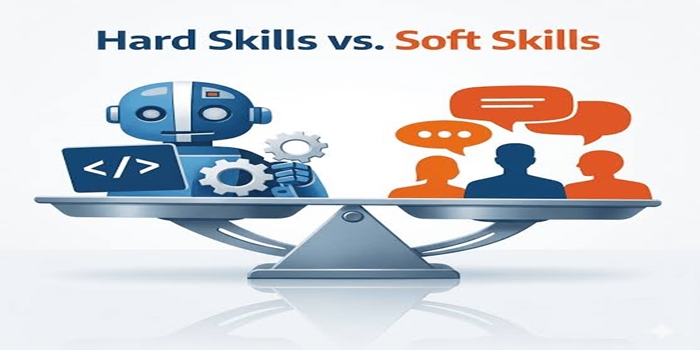
Technical skills are valuable, but employees also need to demonstrate that they can work with others, explain their ideas, and handle responsibilities professionally.
Strong communicators can present proposals, participate confidently in meetings, negotiate expectations, and explain complex information to different audiences.
These abilities can support career growth in fields such as management, marketing, education, customer service, healthcare, technology, and business development.
For example, an employee who can analyse data using AI and explain the findings clearly may be better positioned to help decision-makers understand business opportunities.
Communication skills also help during interviews, performance reviews, presentations, and professional networking.
As workplaces adopt more automation, the ability to combine technical knowledge with effective human interaction can help employees stand out.
- Communication Helps Prevent Misunderstandings and Conflict
Misunderstandings can occur when employees interpret messages differently, receive incomplete instructions, or make assumptions about their colleagues’ intentions.
AI-powered communication tools may help summarise discussions or organise information, but they cannot eliminate every workplace disagreement.
Employees must still be able to listen carefully, clarify expectations, and address problems respectfully.
For example, if two colleagues disagree about a project deadline, they should discuss the requirements, identify the source of the disagreement, and agree on a practical solution.
Active listening, calm language, and a willingness to understand different perspectives can prevent small disagreements from becoming larger conflicts.
These skills are especially important when teams are working under pressure or adapting to new technology.
Practical Ways to Improve Communication Skills in an AI-Driven Workplace
Developing communication skills requires regular practice. Employees can improve by making small changes to how they interact with others and use workplace technology.
- Practice active listening
Give others your full attention during conversations. Avoid interrupting, ask relevant questions, and summaries important points to confirm your understanding.
- Improve your writing
Practise writing clear emails, reports, instructions, and meeting summaries. Keep messages organised and remove unnecessary words.
- Learn to explain complex ideas simply
When discussing technical subjects or AI-generated information, focus on what your audience needs to understand. Use examples where necessary.
- Ask for feedback
Request feedback from colleagues or supervisors about your presentations, written messages, and participation in meetings. Use their suggestions to improve.
- Develop emotional intelligence
Learn to recognise emotions, manage your reactions, and respond respectfully when people disagree with you.
- Use AI as a communication assistant
AI tools can help you brainstorm ideas, review grammar, organise presentations, or practise interview questions. However, always review their suggestions and ensure that your final communication reflects your own judgement and the situation.
- Practise public speaking
Take opportunities to present ideas during meetings, explain project updates, or lead short discussions. Regular practice can improve confidence and clarity.
- Choose the right communication channel
Consider whether an issue requires an email, a message, a video meeting, or a private conversation. Match the communication method to the importance and sensitivity of the topic.
Conclusion
Communication skills remain essential in an AI-driven workplace because successful teamwork, decision-making, and relationship-building depend on effective human interaction. Although AI can simplify tasks and improve productivity, employees still need to express ideas clearly, listen actively, and work well with others. By combining strong communication skills with AI knowledge, individuals can adapt to technological changes, improve their performance, and create better career opportunities. Ultimately, the key to success in an AI-driven workplace is learning to use technology effectively while maintaining the human connection that makes communication meaningful.
READ: AI and the Future of Digital Communication