


Introduction
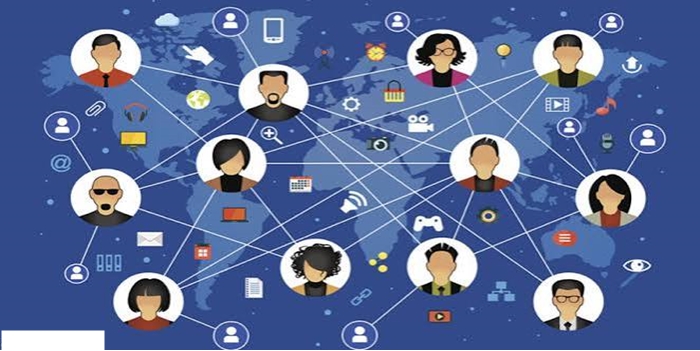
Online communities are rapidly becoming the new form of social networking as people move beyond traditional platforms toward more interest-based and interactive spaces. Instead of relying only on broad social media feeds, users now prefer niche communities where they can connect with like-minded individuals, share knowledge, and engage in more meaningful conversations. This shift is being driven by the desire for authenticity, belonging, and deeper engagement in the digital world.
Online communities are digital spaces where people interact regularly around common interests, goals, identities, professions, or experiences.
Examples include:
Private Discord servers
Reddit groups
Slack communities
Facebook Groups
Telegram channels
Online forums
Creator membership platforms
Niche networking spaces
Unlike traditional social networks, online communities prioritize participation and belonging over mass visibility.
Why People Are Leaving Traditional Social Media
Several factors are driving users away from mainstream social platforms.
Social Media Fatigue
Many users feel overwhelmed by:
Endless scrolling
Constant notifications
Information overload
Viral outrage cycles
Performative content
Traditional social media can feel exhausting rather than fulfilling.
Online communities often provide calmer, more intentional environments.
Declining Authenticity
As social media became commercialized, many platforms evolved into spaces dominated by:
Influencer marketing
Brand promotions
Algorithm manipulation
Engagement farming
Users increasingly feel that interactions are curated and performative.
The Importance of Digital Identity
As online life becomes more central, people increasingly seek identity-based spaces.
Communities help individuals connect around:
Culture
Profession
Interests
Goals
Experiences
This sense of identity strengthens long-term engagement.
Challenges Facing Online Communities
Despite their advantages, online communities also face challenges.
Moderation Difficulties
Managing communities requires:
Clear rules
Active moderation
Conflict resolution
Spam control
Poor moderation can quickly damage community quality.
Growth vs Quality
As communities grow larger, maintaining intimacy becomes harder.
Many communities struggle to balance:
Expansion
Engagement quality
Cultural consistency
Monetization Challenges
Building sustainable revenue models for communities can be difficult.
Some communities rely on:
Membership fees
Sponsorships
Premium content
Donations
Balancing monetization with authenticity is important.
Platform Dependency
Communities hosted on third-party platforms remain vulnerable to:
Policy changes
Algorithm shifts
Platform shutdowns
Some communities are exploring decentralized or independent infrastructure.
The Future of Online Communities
The future internet may become increasingly community-centered.
Instead of a few massive social platforms dominating attention, the web may evolve into:
Smaller networks
Specialized spaces
Interest-based ecosystems
Creator-led communities
This represents a shift from:
Broad social broadcasting to
Focused digital belonging.
AI and the Future of Communities
Artificial intelligence may further transform communities by:
Improving moderation
Personalizing experiences
Translating conversations
Organizing knowledge
Enhancing engagement
However, maintaining authentic human connection will remain essential.
Communities thrive because of human interaction, not just technology.
Why Younger Generations Prefer Communities
Younger users increasingly value:
Authenticity
Shared interests
Digital belonging
Niche identity spaces
Many younger internet users are less interested in public broadcasting and more interested in meaningful digital interaction.
This cultural shift is accelerating the rise of communities.
What Businesses and Creators Should Do
To succeed in the community-driven internet era, organizations should:
Focus on Engagement, Not Just Reach
Follower counts matter less than meaningful interaction.
Build Trust
Communities thrive on transparency and authenticity.
Encourage Participation
Successful communities empower members to contribute.
Prioritize Long-Term Relationships
Community building is about loyalty, not short-term attention.
Create Value Beyond Promotion
Communities should offer:
Education
Support
Networking
Shared experiences
Not just marketing.
Conclusion
online communities are reshaping social interaction by offering more focused, meaningful, and interest-driven connections than traditional social networks. As people continue to seek authenticity and deeper engagement, these communities are likely to play an even greater role in how individuals communicate and build relationships online.
READ: Why Online Communities Are Becoming the New Social Networks