


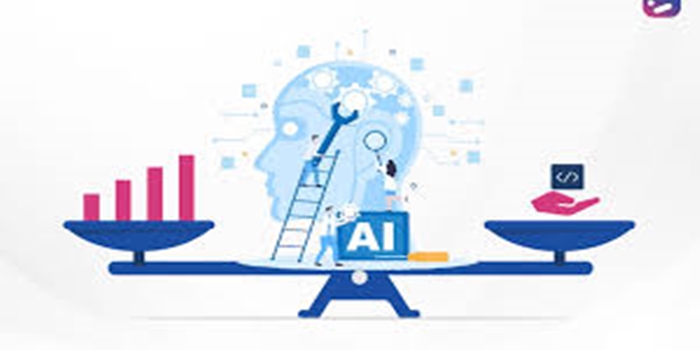
In this article, we explained AI-generated content? why AI content is growing so quickly, the positive ethical arguments for AI generated content, the role of governments and regulation, the principles for the future.
Definition
AI-generated content refers to text, images, audio, video, software code, or other creative outputs produced partially or entirely by artificial intelligence systems.
Examples include:
AI-written blog posts
AI-generated artwork
Synthetic voice recordings
Deepfake videos
AI-created music
Automated social media captions
AI-assisted coding
Virtual influencers
Modern AI systems use machine learning models trained on massive datasets to identify patterns and generate human-like outputs.
Why AI-Generated Content Is Growing So Quickly
Several factors are driving the rapid adoption of AI content tools.
Increased Productivity
AI tools can create large volumes of content in minutes, allowing businesses and creators to work faster.
Lower Costs
Organizations can reduce production expenses by automating repetitive creative tasks.
Accessibility
AI tools allow individuals without specialized skills to:
Design graphics
Write articles
Edit videos
Create music
Build presentations
This lowers barriers to entry in creative industries.
Scalability
Businesses can produce personalized content at scale for:
Marketing campaigns
Customer communication
E-commerce
Education
Entertainment
Technological Advancements
Recent breakthroughs in generative AI have significantly improved:
Language fluency
Visual realism
Audio quality
Context understanding
As a result, AI-generated content is becoming more commercially viable.
The Positive Ethical Arguments for AI-Generated Content
Despite concerns, many experts believe AI-generated content can produce significant social and economic benefits.
Democratizing Creativity
One major argument in favor of AI-generated content is that it expands access to creative tools.
Traditionally, content creation often required:
Technical expertise
Expensive software
Professional training
Large budgets
AI tools enable more people to participate in creative work regardless of skill level or financial resources.
The Ethical Concerns Around AI-Generated Content
While the benefits are substantial, critics raise serious ethical concerns.
Intellectual Property and Copyright Issues
One of the most controversial questions is whether AI models are improperly using copyrighted material.
AI systems are trained on enormous datasets that may include:
Books
Articles
Artwork
Music
Photography
Online content
Many creators argue their work is being used without permission or compensation.
Key ethical questions include:
Should creators consent to AI training use?
Should artists receive compensation?
Can AI-generated outputs infringe copyright?
Who owns AI-created content?
Legal systems worldwide are still struggling to address these issues.
The Threat to Human Creativity
Some critics fear AI-generated content may devalue human creativity.
If AI can instantly produce:
Art
Writing
Music
Design
Then human creators may face:
Reduced demand
Lower compensation
Increased competition
Creative commodification
There is concern that mass-produced AI content could flood digital spaces, making authentic human work harder to distinguish and monetize.
Misinformation and Fake Content
AI-generated misinformation is one of the most serious ethical concerns.
AI can create:
Fake news articles
Deepfake videos
Fabricated audio recordings
Manipulated images
Synthetic social media accounts
These tools can be used to:
Influence elections
Spread propaganda
Commit fraud
Damage reputations
Manipulate public opinion
As AI-generated media becomes more realistic, verifying authenticity becomes increasingly difficult.
The Role of Governments and Regulation
Governments worldwide are beginning to develop AI regulations focused on:
Transparency
Copyright
Data privacy
Deepfake disclosure
Consumer protection
However, regulation remains challenging because AI technology evolves rapidly.
Overregulation could slow innovation, while weak regulation may allow abuse.
Finding the right balance is one of the biggest policy challenges of the AI era.
How Creators Are Responding
Artists, writers, and creators are reacting to AI-generated content in different ways.
Some creators:
Embrace AI as a creative assistant
Use AI tools to increase productivity
Experiment with hybrid workflows
Others:
Oppose unauthorized training practices
Advocate for stronger copyright protections
Demand ethical AI standards
The relationship between creators and AI remains highly complex and emotionally charged.
Ethical Principles for the Future
As AI-generated content continues to evolve, several ethical principles may become increasingly important.
Transparency
Audiences should know when AI is involved in content creation.
Accountability
Humans and organizations must remain responsible for AI-generated outputs.
Fair Compensation
Creators whose work contributes to AI training may deserve recognition or compensation.
Human Oversight
Critical content should involve human review and judgment.
Bias Reduction
AI systems should be continuously monitored for harmful bias and discrimination.
Privacy Protection
AI systems must respect user data and consent.
What Businesses and Creators Should Do Now
To navigate the ethical landscape responsibly, organizations should:
Develop AI usage policies
Maintain editorial oversight
Verify factual accuracy
Disclose AI involvement when appropriate
Respect intellectual property rights
Invest in ethical AI governance
Train employees on responsible AI use
Businesses that prioritize ethical practices are more likely to build long-term trust with audiences.
Conclusion
The ethical debate around AI-generated content continues to grow as artificial intelligence becomes more powerful and widely used. While AI offers benefits such as faster content creation, improved productivity, and greater accessibility, it also raises concerns about misinformation, copyright, originality, and the impact on human creativity. Finding the right balance between innovation and ethical responsibility will be essential as society adapts to this new technology. In the future, clear regulations, transparency, and responsible use of AI will play a major role in ensuring that AI-generated content benefits both creators and audiences.