


Introduction
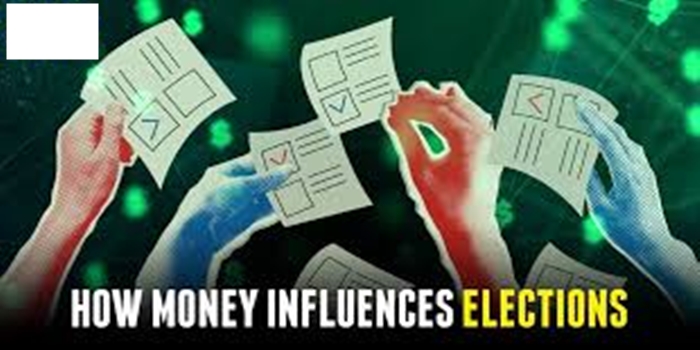
In modern democracy, money is often described as the most powerful forces shaping modern elections. While essential for the basic mechanics of an election, reaching voters, hiring staff, and travel, its influence has evolved into a complex, high-stakes arms race that shapes who can run, what they say, and ultimately, how they govern. the landscape of political finance is defined by unprecedented spending, the dominance of independent groups, and a growing tension between free speech and electoral integrity.
The Rising Cost of Electoral Politics:
Modern elections are expensive. Candidates must fund advertising across television, radio, print, and digital platforms; pay for staff, consultants, polling, travel, and voter outreach; and maintain a constant presence in a fast-moving news cycle. The professionalization of campaigning has transformed elections into large-scale operations that require sustained financial investment.
This rising cost creates a high barrier to entry for potential candidates, particularly those from less affluent backgrounds. Individuals without access to personal wealth or wealthy networks may struggle to compete, regardless of their ideas or qualifications. Consequently, electoral politics often favors incumbents and elites, reinforcing existing power structures and limiting political diversity.
Sources of Campaign Funding
Money in elections comes from various sources, each with different implications for democracy:
Individual donors: Small donations can broaden participation, but large individual contributions can create unequal influence.
Corporations and business interests: These actors may support candidates aligned with their economic interests, raising concerns about policy capture.
Political parties: Parties collect and distribute funds to support candidates, shaping internal power dynamics.
Interest groups and political action committees (PACs): These groups often focus on specific issues and can channel substantial resources into elections.
Public funding: In some countries, governments provide financial support to candidates or parties to reduce dependence on private money.
The Policy Payoff: Access vs. Quid Pro Quo
The most controversial influence of money is what happens after the election. While direct “quid pro quo (this for that) corruption is illegal and relatively rare, the real currency of campaign contributions is access.
Money and Unequal Political Influence
One of the central criticisms of money-driven elections is that they undermine political equality. In theory, democratic systems are based on the principle of “one person, one vote.” In practice, however, those with greater financial resources often have greater political influence.
This inequality manifests in several ways:
Wealthy donors gain greater access to candidates and policymakers
Well-funded candidates can dominate media coverage and public attention
Poorer or less-connected candidates struggle to compete, regardless of merit
The Legislative Agenda: Wealthy donors and interest groups are more likely to have their calls returned, their white papers read, and their concerns included in the drafting of complex legislation (e.g., tax codes or environmental regulations).
The Donor Class Filter: Because candidates rely on a specific segment of the population for funding, they may subconsciously or consciously void policy positions that would alienate those donors, even if those positions are popular with the general public.
The Role of Lobbying and Post-Election Influence
The influence of money does not end on election day. Campaign contributions often intersect with lobbying efforts, as donors seek access to elected officials and influence over policy decisions. While lobbying can be a legitimate form of political participation, its close relationship with campaign finance raises concerns about conflicts of interest and policy capture.
Elected officials, aware of the need to fund future campaigns, may prioritize the interests of major donors when setting legislative agendas or crafting laws. This dynamic can skew public policy toward well-funded interests, such as large corporations or industry groups, at the expense of broader public needs.
Legal Frameworks and Regulatory Challenges
Most democracies attempt to regulate the influence of money on elections through campaign finance laws, including contribution limits, spending caps, disclosure requirements, and public funding options. However, enforcement is often difficult, and regulations can be undermined by loopholes, legal challenges, or weak oversight.
Public Funding and Reform Efforts
In response to concerns about money’s impact on elections, many reformers advocate for public funding of campaigns. Models such as matching funds, vouchers, or free media access aim to reduce candidates’ dependence on large private donations and level the playing field. While such systems can enhance political competition and representation, they require strong public support and effective administration.
Transparency initiatives, such as robust disclosure of campaign finances, are another key reform strategy. When voters can see who is funding candidates, they are better equipped to assess potential biases and hold elected officials accountable. However, transparency alone may not fully counterbalance the structural advantages of wealth.
Democratic Consequences and Public Trust
The pervasive influence of money on modern elections has significant implications for democracy. When citizens believe that elections are “bought” rather than fairly contested, political cynicism increases and participation may decline. Low trust in electoral integrity weakens democratic legitimacy and can fuel polarization and populist backlash.
Conclusion
The influence of money on modern elections is profound and multifaceted. While financial resources are necessary for effective political communication and organization, excessive reliance on money risks undermining the core democratic values of equality, accountability, and representation. The challenge for modern democracies is not to eliminate money from politics, an unrealistic goal, but to manage its role in ways that promote transparency, fairness, and public trust.
READ: How International Treaties Influence Oil Exploration