


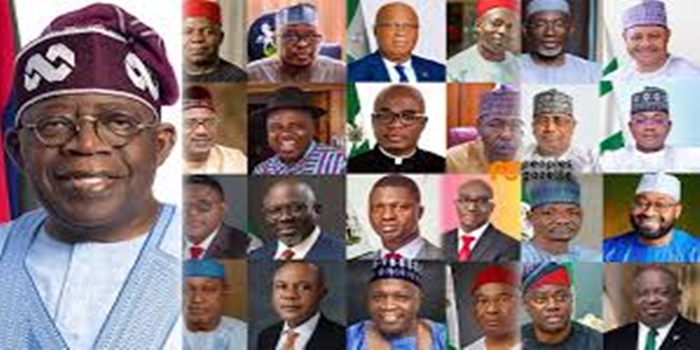
In this article, we discussed state governors, political Influence of State Governors, developmental responsibilities of governors, challenges facing state governors, the future role of governors in Nigerian federalism, the role of state governors in Nigerian politics.
Definition
A state governor is the elected or appointed chief executive and administrative head of a state or region, serving as its highest-ranking official. They oversee the state government, implement laws, manage the state budget, and often command the state’s National Guard. Governors also influence legislation through veto power and appointment of officials.
Characteristics of State Governors:
Role & Authority: As head of the executive branch, they are frequently described as the “number one citizen” of the state. They act as the primary liaison between state and federal governments.
Functions: They, along with deputy governors, are responsible for appointing state officials, heads of departments, and sometimes judicial officers.
Powers: powers include signing or vetoing legislation, commanding the state’s National Guard, preparing executive budgets, and granting pardons.
Election/Appointment: In the U.S. and Nigeria, they are generally popularly elected to four-year terms. However, in some Commonwealth realms, they are appointed to represent the monarch.
Difference from Other Roles: While often head of government, they differ from national leaders and sometimes have their powers restricted by the national constitution or, in some cases, act as symbolic representatives (e.g., in Australian states).
Political Influence of State Governors:
Influence in National Politics
State governors often play decisive roles in national politics. They influence party leadership decisions, presidential primaries, and national political strategies. Within major political parties, governors are often considered power brokers because they control political structures at the state level. Their support can determine the success of candidates in national elections.
Control of Political Structures
In many states, governors control local political machinery, including party organizations and grassroots networks.
This influence enables governors to:
Determine party candidates for elections
Support loyal political allies
Build strong political patronage systems.
Role in Federal–State Relations
Governors serve as intermediaries between the federal government and their states. They negotiate federal projects, investments, and policy implementation.
Through collaboration or political rivalry with the federal government, governors can either facilitate or complicate national policies at the state level.
Developmental Responsibilities of Governors:
Infrastructure Development
Governors oversee the construction and maintenance of essential infrastructure, including:
Roads and bridges
Public transportation
Water supply systems
Electricity projects
Public housing.
Education and Healthcare
State governments play a major role in managing public education and healthcare systems. Governors allocate resources for:
Primary and secondary schools
State universities and colleges
Public hospitals and clinics
Health programs and disease prevention initiatives.
Economic Growth and Investment
Governors also promote economic development by attracting investments, supporting businesses, and developing local industries.
Some states implement policies that encourage:
Agricultural development
Industrial zones
Tourism
Technology and innovation hubs.
Challenges Facing State Governors:
Fiscal Constraints
Many Nigerian states rely heavily on federal allocations due to limited internally generated revenue. This dependence restricts financial autonomy and makes development planning difficult when federal revenues decline.
Political Pressures
Governors must navigate complex political pressures from party leaders, political godfathers, and interest groups.
Security Challenges
Many states face serious security threats such as banditry, insurgency, kidnapping, and communal conflicts.
The Future Role of Governors in Nigerian Federalism:
Debates about restructuring Nigeria’s federal system often focus on expanding the powers of state governments and governors.
Proposals include:
Greater fiscal autonomy for states
Decentralized policing systems
Increased control over natural resources
Strengthening local government independence.
The Role of State Governors in Nigerian Politics:
Chief Executive of the State
A governor serves as the chief executive officer of the state government. In this role, the governor oversees all state ministries, departments, and agencies.
The governor appoints key officials such as:
Commissioners (members of the State Executive Council)
Special advisers
Heads of state agencies
Some board members of public institutions.
Legislative Influence
Although governors do not directly make laws, they play a significant role in the legislative process through their relationship with the State House of Assembly.
The governor can:
Propose bills and policy initiatives
Sign bills passed by the State House of Assembly into law
Refuse assent (veto) to legislation.
Control of State Finances
One of the most important roles of governors is the management of state finances. Governors prepare and present annual budgets to the State House of Assembly for approval.
Revenue sources available to states include:
Federal allocations
Internally generated revenue (taxes, levies, and fees)
Loans and grants
Investments and public enterprises.
Security Responsibilities
Although security is primarily the responsibility of the federal government, governors are recognized as the chief security officers of their states.
They work closely with security agencies such as the Nigeria Police Force and other federal security bodies to maintain law and order.
Conclusion
State governors play a critical role in Nigeria’s political system. As chief executives of their states, they influence governance, development, political parties, and national policymaking. Their authority extends beyond administrative duties to include control of political structures, economic planning, and state security coordination.