

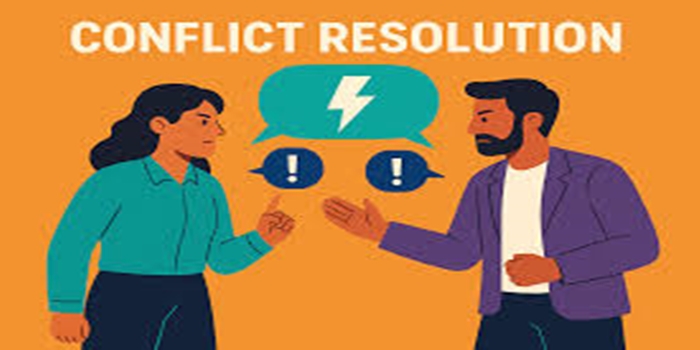
In this article, we explained conflict resolution, project management, types of conflict in project management, impact of conflict on project performance, communication as a tool for conflict resolution, conflict prevention strategies.
Definition
Conflict resolution is the process of identifying, addressing, and settling disputes between individuals or groups to reach a mutually acceptable, peaceful agreement. It involves using skills like active listening, empathy, and negotiation to transform disagreements into opportunities for growth, fostering better relationships and, in the workplace, increased productivity.
Project management is the discipline of planning, executing, and overseeing projects to achieve specific goals within constraints like scope, time, and budget, using knowledge, skills, tools, and techniques to deliver value. It involves guiding a team through a lifecycle (initiation, planning, execution, monitoring, closing) to turn an idea into a tangible result, crucial for success in industries from IT to construction.
Types of Conflict in Project Management
Resource Conflicts: Disputes arising from competition for limited project resources, such as budget, personnel, or equipment.
Schedule Conflicts: Disagreements regarding project timelines, deadlines, and the ordering of tasks.
Task/Technical Conflicts: Disagreements about technical decisions, project methodology, or how to execute specific tasks.
Interpersonal/Relationship Conflicts: Personal clashes, differences in working styles, or poor communication among team members.
Goal/Priority Conflicts: Disagreements regarding the project’s, or organization’s, priorities and ultimate goals.
Role/Administrative Conflicts: Conflicts concerning unclear roles, responsibilities, or authority structures.
Values/Value Conflict: Differences in fundamental beliefs, ethics, or norms, which can hinder collaboration.
Common Conflict Resolution Techniques
Project managers typically use five main strategies to manage these disputes:
Collaborating (Problem Solving): Incorporating multiple viewpoints to reach a consensus, focusing on the best overall solution.
Compromising/Reconciling: Searching for solutions that bring some degree of satisfaction to all parties.
Accommodating/Smoothing: Emphasizing areas of agreement rather than differences, sometimes conceding to maintain harmony.
Forcing/Directing: Pushing one’s own viewpoint at the expense of others, usually to resolve an emergency.
Avoiding/Withdrawing: Temporarily delaying or ignoring the conflict, which is best for trivial issues.
Negative Impacts of Conflict on Projects
Reduced Performance & Productivity: High levels of task and relationship conflict are directly linked to lower project performance and team member disengagement.
Cost and Time Overruns: Unresolved conflicts consume valuable time (an average of 4.3 hours per week for employees/managers) and increase costs.
Destructive Behaviors: Conflict often leads to poor communication, low morale, and interpersonal hostility, breaking down collaboration.
Project Delays: Disputes can cause work stoppages or severe slowdowns in project execution.
Potential Positive Outcomes
Improved Decision-Making: When managed, conflict can stimulate healthy competition, bring new ideas to the surface, and encourage, collaboration.
Increased Innovation: Moderate, task-focused conflict can break up complacency and encourage more creative, robust solutions.
Active Conflict Resolution: Using approaches like collaboration, compromising, and open communication can turn disputes into productive dialogue.
Project Management Skills: Leaders must utilize strong interpersonal and conflict management skills to keep projects on track.
Early Identification: Identifying and addressing conflicts early prevents them from escalating into crises that derail the project.
Communication Techniques for Conflict Resolution
Active Listening: This involves giving full attention, paraphrasing, summarizing, and reflecting feelings to ensure the speaker feels heard.
Statements: Phrasing concerns as personal feelings (e.g., “I feel frustrated when…”) rather than accusations (“You always…”) reduces defensiveness.
Empathy and Non-Judgment: Validating the other person’s perspective—even without agreeing with it—helps to de-escalate emotional tension.
Non-Verbal Communication: Maintaining calm, open body language and eye contact can reduce the other party’s anxiety.
Seeking Common Ground: Focusing on shared goals and interests helps move parties from confrontation to collaboration.
The Role of Communication in Resolving Conflicts
Provides Clarity: It clears up misunderstandings that often cause or worsen conflicts.
Manages Emotions: It allows for the expression of feelings in a controlled manner, preventing outbursts that escalate situations.
Encourages Collaboration: It shifts the focus from a “win-lose” mentality to a “win-win” outcome.
Prevents Future Conflict: Open, honest, and regular dialogue establishes a foundation for healthier relationships and proactive problem-solving.
Avoid Interrupting: Allowing the other person to speak without interruption is critical.
Take Breaks: If emotions run too high, taking a timeout can prevent rash words and actions.
Focus on the Issue: Avoid bringing up past grievances and stick to the current, solvable problem.
Conflict Prevention Strategies:
Prevention is more effective than resolution. Key strategies include:
Clear project scope and objectives
Well-defined roles and responsibilities
Realistic schedules and budgets
Effective risk management
Team-building activities
Strong leadership and governance structures.
Conclusion
Conflict resolution is a critical competence in project management, directly influencing project performance, team morale, and stakeholder satisfaction. While conflict cannot be entirely eliminated, its negative effects can be minimized through early identification, structured resolution processes, effective communication, and strong leadership.