

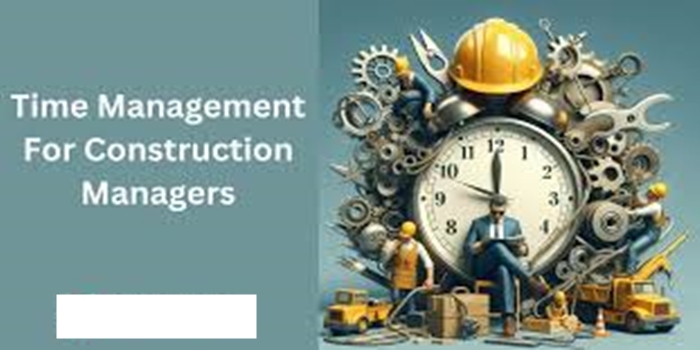
In this article, we explained construction production planning, the features, the benefits, the objectives, managing cost in construction production planning, the role, and the challenges,
Definition
Construction production planning is the strategic process of defining construction methods, identifying resources (labor, materials, equipment), and sequencing tasks to optimize workflow and meet project timelines. It acts as a bridge between design and execution, focusing on maximizing efficiency, reducing waste, and aligning trade partner capabilities with the overall project schedule to ensure a smooth, continuous production flow.
Features of Construction Production Planning:
Strategic Resource Allocation and Scheduling
Definition of Tasks & Sequence: It involves breaking down the project into manageable work tasks (Work Breakdown Structure – WBS) and determining their logical sequence (precedence relationships).
Time Management (Scheduling): Establishing start and completion times for each activity to meet project deadlines.
Resource Planning: Estimating and allocating manpower, equipment, and materials required for each task to avoid shortages or idle time.
Methodological Choice and Technology Selection
Technology Assessment: Deciding on the best methods to use (e.g., in-situ concrete vs. precast, pumping concrete vs. cranes) considering cost, speed, and reliability.
Productivity Optimization: Estimating activity durations based on expected crew productivity and optimizing the number of crews assigned.
Integrated Cost and Time Control
Budget Alignment: The plan serves as the foundation for the project budget, with a focus on both direct and indirect costs.
Cost-Schedule Integration: Balancing the need for rapid progress (scheduling) with the cost of resources.
Dynamic and Iterative Nature
Re-planning and Flexibility: Construction plans are “living documents” that must be updated to address unforeseen problems, changes in design, or delays.
Contingency Planning: Incorporating buffers in the schedule to mitigate risks like weather delays or supply chain issues.
Specialized Operational Features
Site Layout Planning: Designing the logistical layout of the site for efficient movement of materials and personnel.
Safety Management: Incorporating safety measures and protocols into the workflow.
Waste Management Planning: Outlining methods for handling, minimizing, and disposing of construction waste.
Information Management and Technology
Use of Digital Tools: Utilizing Building Information Modeling (BIM) and computer-aided design (CAD) to simulate construction, identify interferences, and optimize spatial requirements.
Documentation: Generating detailed, written, and visual plans (blueprints, Gantt charts) that act as a communication tool for all stakeholders.
Benefits of Construction Production Planning include:
- Increased Efficiency and Productivity
Optimal Resource Allocation: Planning ensures that labor, materials, and equipment are available in the right quantity at the right time, preventing idle time for workers and machines.
Streamlined Workflows: By defining the sequence of activities (routing), production planning reduces bottlenecks and ensures a steady, continuous, and productive workflow.
Reduced Waste: Proper planning helps eliminate material waste and minimizes rework, saving both time and money.
- Improved Cost and Budget Management
Cost Control: A detailed plan helps manage expenses by identifying necessary resources in advance, which reduces overruns and prevents costly rush orders orlast-minute purchases.
Reduced Inventory Costs: It helps maintain optimal inventory levels, reducing storage costs and preventing overstocking.
- Enhanced Scheduling and Timely Delivery
Accurate Timelines: Planning allows for the creation of realistic schedules with clear milestones, reducing the risk of project delays.
Faster Project Completion: Coordinated activities and reduced downtime lead to faster overall project completion.
Risk Mitigation and Improved Safety
Proactive Problem Solving: By anticipating potential issues—such as material shortages or unfavorable weather, planners can develop contingency plans.
Higher Safety Standards: A well-planned site reduces chaotic conditions, which inherently improves safety and reduces the risk of accidents.
Better Quality Control and Coordination
Consistent Quality: Planning establishes clear quality standards and construction methods, ensuring that the final output meets or exceeds client expectations.
Improved Communication: A centralized plan ensures all stakeholders (contractors, architects, engineers) are aligned, improving coordination and reducing miscommunication.
Increased Flexibility and Decision-Making
Data-Driven Decisions: Detailed plans provide a basis for monitoring progress, allowing managers to make fast, accurate decisions when deviations occur.
Adaptability: It allows firms to adjust schedules to meet changing market conditions or unexpected on-site disruptions.
Objectives of Construction Production Planning include:
Optimal Resource Utilization: Ensuring labor, materials, and machinery are used at maximum efficiency to avoid bottlenecks and idle time.
Time Management & Scheduling: Meeting project deadlines and ensuring timely delivery of project phases.
Cost Control & Reduction: Minimizing wastage of materials, optimizing inventory levels, and reducing production costs to improve profitability.
Uninterrupted Workflow: Maintaining a continuous, smooth flow of production by planning for contingencies.
Quality Control: Ensuring all work complies with specified standards and requirements.
Safety Improvement: Providing a safe work environment through organized planning.
Managing Cost in Construction Production Planning
Role of Cost Management
Cost management ensures that expenditures align with the approved budget while maintaining project quality and scope.
Poor cost planning results in:
Budget overruns
Cash flow problems
Project abandonment
Cost Estimation and Budgeting
- a) Preliminary Cost Estimates
Developed during project conception
Used for feasibility and decision-making
- b) Detailed Cost Estimates
Based on drawings, specifications, and quantities
Form the basis for the project budget and tender pricing
Cost Breakdown Structure (CBS)
The CBS aligns cost elements with WBS activities, enabling:
Accurate cost tracking
Variance analysis
Better financial control
Cost Control Techniques
Earned Value Management (EVM)
Cost variance and performance indices
Change order management
Value engineering to optimize cost without sacrificing function
Cash Flow Planning
Cash flow planning ensures:
Availability of funds when needed
Timely payment to suppliers and subcontractors
Financial stability throughout the project duration.
Role of Technology in Construction Production Planning
Modern tools enhance planning accuracy and control:
Building Information Modeling (BIM)
Project management software (e.g., Primavera, MS Project)
Real-time progress tracking systems
Data analytics and forecasting tools
Challenges in Construction Production Planning
Uncertainty and risk
Weather conditions
Design changes and scope creep
Coordination among multiple stakeholders
Regulatory and environmental constraints
Best Practices for Effective Construction Production Planning
Early and detailed planning
Stakeholder collaboration
Continuous monitoring and feedback
Proactive risk management
Adoption of lean construction principles.
Conclusion
Construction production planning is a multidimensional management process that integrates time, cost, and resource considerations to achieve project success. By applying structured planning techniques, accurate forecasting, and continuous control, construction managers can reduce inefficiencies, manage uncertainties, and deliver projects that meet client expectations.