

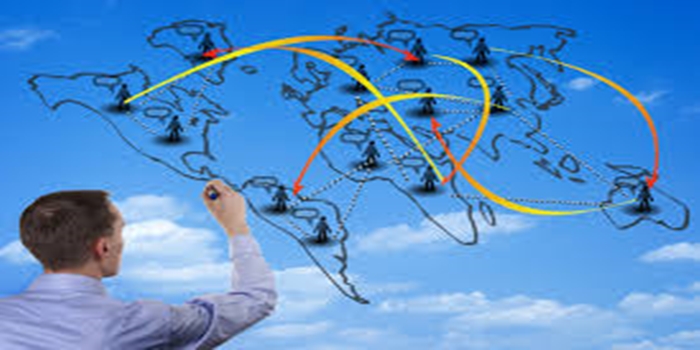
Understanding Current Global Migration Trends
- Scale and Distribution
Today, an estimated 280+ million people live outside their country of birth, about 3.6% of the world’s population. This is significantly higher than four decades ago.
Migration flows are not evenly distributed. Higher-income countries in Europe, North America, and the Middle East host large numbers of migrants, while regions such as Sub-Saharan Africa, South Asia, and Latin America experience high levels of emigration.
Internal migration — movement within countries from rural to urban areas — is even more extensive than international migration and is a key driver of urban growth, especially in developing economies.
- Changing Patterns
Traditional South-to-North migration (from lower-income to higher-income countries) persists, but South-to-South migration is also significant — especially within regions such as Asia and Africa.
Circular and temporary migration, including seasonal work, is increasingly common.
Forced migration due to conflict, persecution, and climate risks has surged, accounting for a growing share of global movements.
Economic Drivers of Migration
- Labor Market Disparities
Economic opportunities or the lack thereof are primary motivators:
Workers move seeking higher wages, better employment prospects, and improved living standards.
Differences in economic development and labor demand create migration corridors linking poorer sending countries with wealthier destination economies.
- Demographic Shifts
Aging populations in many developed countries create demand for foreign workers, especially in sectors like health care, construction, and services.
Conversely, youthful populations in many emerging economies face high unemployment, prompting outward migration.
- Globalization and Connectivity
Modern transportation and digital communication reduce barriers to migration.
Remittance flows (money migrants send home) now rival foreign direct investment as a source of external financing for many developing countries.
Economic Impacts of Migration
Migration’s economic effects manifest across multiple levels — individual, community, national, and global.
- On Receiving (Destination) Countries
Positive Impacts
Labor Force Growth
Migrants fill labor shortages in both high- and low-skill labor markets.
They can help counteract declining working-age populations.
Economic Growth
Increased labor supply, consumer demand, and tax revenues can boost GDP growth.
Migrants often engage in entrepreneurial ventures, creating jobs.
Innovation and Skills
Highly skilled migrants contribute to innovation, research, and competitiveness.
Cultural diversity can spur creativity and global business perspectives.
Fiscal Contributions
Migrants contribute taxes and social security payments, often more than the cost of services they use.
Challenges and Concerns
Integration and Social Services
Effective integration policies are needed to ensure access to education, healthcare, and housing.
Short-term costs can arise from scaling services for new arrivals.
Labor Market Pressures
In some local markets, competition for jobs can strain relations with native workers – especially where wages are stagnant.
Informal Work
Undocumented migrants may work in informal sectors, potentially lowering wages and reducing tax contributions.
- On Sending (Origin) Countries
Positive Contributions
Remittances
Migrants send home hundreds of billions of dollars annually, supporting families, consumption, and investment in education and health.
Remittances help stabilize national economies and reduce poverty.
Skills and Knowledge Transfer
Return migration can bring human capital gains — skills, business networks, and entrepreneurship.
Reduced Unemployment Pressures
Emigration can alleviate job market congestion, especially where domestic economies cannot absorb growing labor forces.
Potential Challenges
Brain Drain
Outmigration of highly skilled workers can weaken health systems, academia, and professional sectors.
Dependency on Remittances
Economies overly reliant on remittance inflows can be vulnerable to global economic shocks.
Social and Household Impacts
Migration can strain family structures and alter community demographics.
- Global Economic Impacts
Migration supports global economic integration, increases trade linkages, and stimulates investment flows.
Migrants often act as bridges between markets, facilitating cross-border business and cultural exchange.
Economists estimate that removing barriers to labor mobility could raise global GDP substantially by optimizing labor allocation.
Opportunities Created by Migration
- Human Capital Development
Migration expands human capital through education, skills acquisition abroad, and knowledge exchange between economies.
- Business and Innovation
Migrant entrepreneurs establish businesses at higher rates in many countries, driving innovation and job creation.
- Demographic Renewal
In aging societies, migrants help sustain workforces and support social insurance systems by contributing taxes and participating in the labor market.
- Cultural and Social Enrichment
Diversity contributes to cultural vibrancy, linguistic plurality, and global outlooks in education, arts, and commerce.
Challenges and Future Directions
- Climate Change and Migration
Environmental degradation and climate-related disasters are increasingly driving displacement and seasonal migration.
- Political Backlash
Anti-immigrant sentiment and restrictive policies in some regions pose challenges to mobility and integration.
- Technological Change
Automation and digital economies are transforming labor demand — affecting migrant workers in both high- and low-skill sectors.
- Demographic Divergence
Aging populations in developed regions and youthful populations in developing regions will shape future migration pressures and opportunities.
Conclusion
Global migration is both a challenge and an opportunity. Economically, it fuels labor markets, entrepreneurship, innovation, and trade. Socially, it enriches communities with diversity and knowledge exchange. However, the benefits depend on effective policies, social integration, and investment in both migrants and host communities.
READ: Economic Nationalism in a Globalized World