

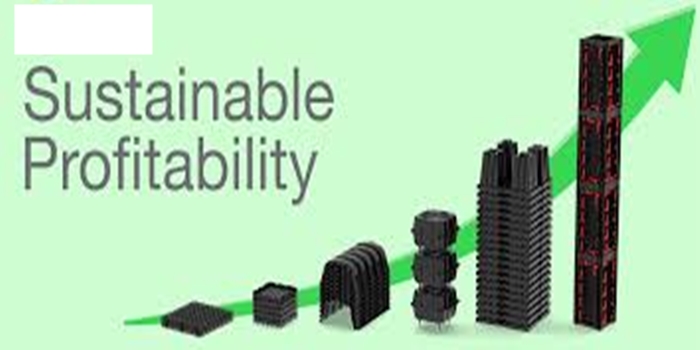
In this article, we explained sustainable production, the principles, the benefits, the sustainable production practices that improves profitability.
Definition
Sustainable production is the creation of goods and services using non-polluting, energy-efficient, and resource-conserving processes that are economically viable and safe for workers, communities, and consumers. It focuses on minimizing environmental impact, reducing waste, and ensuring long-term ecological and social benefits, often through techniques like circular economy, renewable energy usage, and green design.
Core Principles of Sustainable Production include:
Responsible Energy Use: Prioritizing renewable energy sources (solar, wind) and maximizing energy efficiency in manufacturing processes.
Resource Conservation: Minimizing raw material consumption and reducing waste through closed-loop systems, where waste from one process becomes input for another.
Design for Sustainability: Ensuring products and packaging are safe, durable, and ecologically sound throughout their entire life cycle.
Elimination of Toxins: Removing hazardous materials and chemicals that pose risks to human health or the environment.
Social Equity and Safety: Prioritizing fair labor practices, safe working conditions, and community well-being.
Continuous Improvement: Committing to ongoing evaluation and innovation to enhance environmental performance and efficiency.
Circular Economy: Moving away from a linear take-make-dispose model to a circular model that keeps resources in use for as long as possible.
Benefits of Sustainable Production include:
Cost Savings and Efficiency: By reducing waste, recycling materials, and utilizing energy-efficient technologies, companies can significantly lower raw material and operational costs.
Enhanced Brand Image and Marketability: Adopting sustainable practices improves reputation among consumers, with studies indicating many are willing to pay more for sustainable products.
Environmental Protection: It minimizes the environmental footprint by reducing pollution, waste, and greenhouse gas emissions, contributing to a circular economy.
Regulatory Compliance: It helps businesses stay ahead of environmental laws, avoiding fines and legal issues associated with pollution or waste disposal.
Risk Mitigation and Resilience: It builds more resilient supply chains, reducing dependence on scarce resources and minimizing operational risks.
Improved Employee Retention: A commitment to sustainability can enhance hiring and improve employee retention rates, as companies with strong environmental values are more appealing to workers.
Sustainable Production Practices That Improve Profitability:
Reframing Sustainability: From Cost Center to Value Engine
For decades, sustainability was viewed as a regulatory burden or reputational expense. Today, it functions as a profit multiplier by:
Reducing operational costs
Increasing productivity and asset efficiency
Strengthening supply chain resilience
Enabling price premiums and market access
Lowering risk and cost of capital
Firms that integrate sustainability into core production decisions often outperform peers because they optimize systems, not just inputs.
Waste Reduction and Circular Production Models
Lean Manufacturing and Zero-Waste Thinking
Key practices
Process redesign to minimize scrap
Precision manufacturing and better-quality control
By-product recovery and reuse
Less raw material purchased
Lower disposal and landfill fees
Improved yield per unit of input
Waste is essentially paid-for material that generates no revenue. Reducing it boosts margins immediately.
Circular Economy Integration
Designing products for disassembly and reuse
Using recycled or remanufactured inputs
Take-back and refurbishment programs
Profit impact
Lower material costs
New revenue streams from refurbished products
Reduced exposure to volatile commodity prices
Companies that reclaim materials internally often gain long-term cost stability, a strategic advantage over linear competitors.
Sustainable Sourcing and Supply Chain Resilience
Responsible and Localized Sourcing
Long-term contracts with sustainable suppliers
Local sourcing where feasible
Supplier sustainability audits and collaboration
Profit impact
Reduced transportation costs
Lower disruption risk (climate, geopolitical, regulatory)
More predictable pricing
Supply chain shocks are among the largest destroyers of profit. Sustainability increases resilience, which is financially undervalued but extremely powerful.
Supplier Collaboration and Innovation
Working with suppliers to reduce emissions, packaging, or energy use often leads to:
Shared cost savings
Faster innovation cycles
Preferential pricing or priority supply
This turns sustainability into a network advantage, not a solo effort.
Resource Efficiency: Doing More with Less
Energy Efficiency and Decarbonization
High-efficiency machinery and motors
Heat recovery systems
Smart energy management (IoT sensors, AI optimization)
On-site renewable energy (solar, wind, biomass)
Profit impact
Energy typically represents 10–30% of production costs in manufacturing
Efficiency gains of 15–40% are common with modern systems
On-site renewables hedge against energy price volatility
Example A factory installing energy-efficient motors and real-time monitoring often recovers investment within 2–4 years through lower utility bills alone.
Water Efficiency and Closed-Loop Systems
Water recycling and reuse
Closed-loop cooling systems
Leak detection and smart metering
Reduced water purchase and wastewater treatment costs
Lower downtime from water shortages
Reduced regulatory and compliance risk
In water-stressed regions, water efficiency directly protects production continuity, which is a hidden but massive profitability driver.
Workforce Productivity and Human Capital Gains
Healthier, Safer Production Environments
Reduced toxic inputs
Better ventilation and lighting
Ergonomic production design
Profit impact
Fewer accidents and sick days
Lower insurance and liability costs
Higher employee retention
Replacing skilled production workers is expensive. Sustainable workplaces improve labor productivity and institutional knowledge retention.
- Technology, Digitalization, and Smart Production
6.1 Data-Driven Sustainability
Key practices
Digital twins for process optimization
AI-driven predictive maintenance
Real-time monitoring of energy, materials, and emissions
Profit impact
Reduced downtime
Extended equipment life
Lower maintenance costs
Sustainability and digitalization reinforce each other: what gets measured gets optimized.
Risk Management and Regulatory Readiness
Regulatory Cost Avoidance
Proactive sustainability reduces exposure to:
Carbon taxes
Pollution penalties
Mandatory retrofitting costs
Early movers spread investments over time, while laggards face compressed, expensive compliance.
Climate and Operational Risk Mitigation
Sustainable production reduces vulnerability to:
Resource scarcity
Extreme weather
Supply chain collapse
Profitability is not just about margins, it’s about continuity.
Conclusion
Sustainable production practices prove that environmental responsibility and profitability can go hand in hand. By improving resource efficiency, reducing waste, optimizing processes, and adopting cleaner energy and responsible sourcing, organizations can lower costs while strengthening operational resilience. At the same time, sustainability enhances brand reputation, ensures regulatory readiness, and opens access to new markets and customers. Ultimately, companies that embed sustainability into their production strategies not only contribute to long-term environmental well-being but also secure lasting financial performance and competitive advantage.