

Introduction
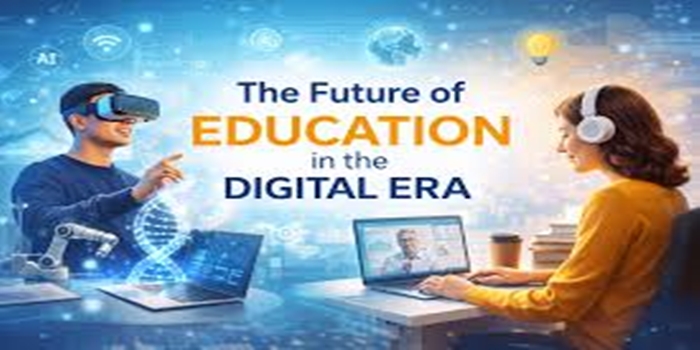
The future of education in a digital world is not just about using computers, it is about redefining how knowledge is delivered, accessed, and applied. Education is undergoing one of the most significant transformations in human history. With the rapid advancement of technology, the traditional classroom model is evolving into a dynamic, flexible, and technology-driven system.
Important Drivers of Digital Education:
Technological Advancement
Innovations in internet connectivity, mobile devices, and cloud computing have made online learning accessible to more people. Tools powered by Artificial Intelligence and Machine Learning enable personalized learning experiences, adaptive assessments, and intelligent tutoring system.
Increased Internet Penetration
Wider access to high-speed internet, especially through smartphones, has enabled students to learn anytime and anywhere. This is particularly impactful in developing regions where traditional educational infrastructure may be limited.
Demand for Flexible Learning
Modern learners prefer education that fits their schedules. Digital platforms support self-paced learning, remote access, and on-demand content, making education more convenient for working professionals and students alike.
Globalization of Education
Students can access courses from international institutions without relocating. Platforms offering Massive Open Online Courses (MOOCs) connect learners worldwide, fostering knowledge exchange and collaboration.
Government and Institutional Support
Many governments and educational institutions are investing in digital infrastructure, e-learning platforms, and policies that promote online education and digital literacy.
Lifelong Learning and Skill Development
Rapid changes in the job market require continuous upskilling. Digital education supports lifelong learning by offering short courses, certifications, and professional development programs.
Data-Driven Insights
Digital platforms collect learning data that helps educators track progress, identify gaps, and improve teaching strategies, leading to better outcomes.
Emerging Trends in Digital Education:
AI-Powered Personalized Learning
The integration of Artificial Intelligence is transforming education by tailoring content to individual learners. Adaptive systems analyze performance and adjust lessons, pacing, and assessments in real time, improving engagement and outcomes.
Microlearning and Bite-Sized Content
Short, focused lessons (microlearning) are becoming the norm. These modules improve retention and fit modern learners’ shorter attention spans and busy schedules.
Gamification and Game-Based Learning
Incorporating game elements (points, badges, leaderboards) increases motivation and engagement. Learners become more active participants rather than passive recipients of information.
Data Analytics and Learning Insights
Big data and analytics help educators track student progress, predict performance, and personalize teaching strategies, leading to better learning outcomes.
Focus on Accessibility and Inclusion
Digital education is becoming more inclusive, with tools designed for learners in remote or underserved areas, helping bridge the digital divide.
Lifelong and Continuous Learning Culture
Digital platforms support continuous upskilling, enabling individuals to learn new skills throughout their careers in response to rapidly changing job markets.
Benefits of Digital Education:
Accessibility and Inclusivity
Digital education allows learners to access materials from anywhere in the world, removing geographical barriers. Students in remote or underserved areas can now participate in quality education through online platforms.
Flexibility and Convenience
Learners can study at their own pace and schedule. This is especially useful for working professionals, parents, or anyone balancing multiple responsibilities.
Personalized Learning
With tools powered by Artificial Intelligence, education can be tailored to individual needs. Students receive customized content, feedback, and assessments based on their performance and learning style.
Cost-Effectiveness
Digital education reduces costs related to transportation, accommodation, and printed materials. Many courses and resources are affordable or even free.
Wide Range of Learning Resources
Students have access to videos, e-books, podcasts, simulations, and interactive tools, making learning more engaging and diverse compared to traditional methods.
Improved Engagement
Interactive elements such as quizzes, videos, and gamification make learning more interesting and help improve knowledge retention.
Instant Feedback and Assessment
Online platforms provide immediate feedback on assignments and tests, helping learners identify mistakes and improve quickly.
Development of Digital Skills
Learners gain essential digital literacy skills, including the use of online tools, communication platforms, and collaboration technologies—skills needed in today’s workforce.
Global Learning Opportunities
Students can enroll in courses offered by international institutions, interact with peers worldwide, and gain exposure to diverse perspectives.
Environmentally Friendly
Digital education reduces the need for paper, transportation, and physical infrastructure, contributing to environmental sustainability.
Educational institutions can reach thousands (or even millions) of learners simultaneously through online platforms, making education more scalable than traditional classroom settings.
Support for Lifelong Learning
Digital education enables continuous learning, allowing individuals to upgrade their skills throughout their careers in response to changing job demands.
Challenges of Digital Education:
Digital Divide
Not all learners have access to reliable internet, electricity, or devices. This gap, especially in developing regions, limits equal participation in online learning.
Lack of Infrastructure
In many areas, poor connectivity, unstable power supply, and limited access to digital tools make effective online education difficult.
Limited Digital Literacy
Both students and teachers may lack the necessary skills to use digital platforms effectively, reducing the overall quality of learning.
Distractions and Lack of Discipline
Learning from home or online environments can lead to distractions (social media, noise, multitasking), making it harder for students to stay focused.
Technical Issues
System crashes, software bugs, and platform downtime can disrupt learning and cause frustration for both students and educators.
Lack of Hands-On Experience
Subjects that require practical work (e.g., laboratory sciences, engineering) may be harder to teach effectively through digital platforms alone.
Impact on Developing Countries
Digital education has huge potential in countries like Nigeria:
Expands access to quality education
Reduces teacher shortages
Provides global learning opportunities
However, challenges like poor infrastructure and limited internet access must be addressed.
Conclusion
The future of education in a digital world is both exciting and transformative. Technology is breaking down barriers, making education more accessible and adaptable than ever before. However, to fully realize its potential, challenges such as the digital divide and lack of infrastructure must be addressed.
READ: The Role of Artificial Intelligence in Education