

Introduction
Technology is no longer just an add-on to events; it is the very infrastructure upon which they are built. From large-scale global summits to local micro-events, the integration of digital tools has shifted the focus from passive attendance to active, personalized participation.
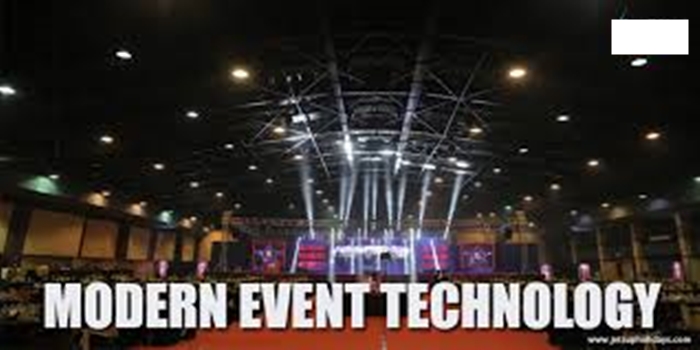
Modern Events can refer to current happenings shaping the world (like tech, social shifts) or specifically to a contemporary style of event planning, often using tech (AI, virtual) for personalized, sustainable, and hybrid celebrations, as seen with companies and WordPress tools using the name for event management. It blends new technologies with timeless design, focusing on immersive attendee experiences for anything from weddings to conferences.
Common Types of Modern Events
Weddings & Parties (with modern twists)
Conferences & Trade Shows
Festivals & Cultural Celebrations
Virtual & Hybrid Gatherings.
Here is an extensive look at the multifaceted role of technology in modern events:
The Operational Shift: AI as Infrastructure
Artificial Intelligence (AI) has transitioned from a buzzword to a foundational operational tool. Event organizers now use Agentic AI, tools that can autonomously handle complex tasks rather than just generating text.
Predictive Analytics: AI models analyze historical data to forecast attendance numbers, peak check-in times, and even food and beverage requirements, significantly reducing waste.
Smart Scheduling: Algorithms automatically match speakers, room capacities, and attendee interests to create schedules that maximize engagement and minimize logistical friction.
Automated Stakeholder Management: AI portals manage hundreds of exhibitors and speakers simultaneously, tracking deadlines for assets (like bios or presentation slides) and sending personalized nudges without human intervention.
The Attendee Involvement: Hyper-Personalization
Modern events have solved the one-size-fits-all problem through data-driven personalization. The goal in 2026 is to make a 5,000-person conference feel like a curated experience for one.
AI Matchmaking: Gone are the days of awkward “business card” networking. AI-powered apps analyze attendee profiles and behaviors to suggest the most relevant peers, mentors, or vendors to meet.
Tailored Content Journeys: Event apps act as personal concierges, suggesting specific sessions based on an attendee’s real-time interactions and professional goals.
Interactive Gamification: Digital scavenger hunts, live trivia with real-time leaderboards, and photo-sharing challenges” turn passive listeners into active participants, fostering a sense of community.
Immersive Technologies: VR, AR, and MR
Virtual Reality (VR) and Augmented Reality (AR) have moved beyond gimmicks to provide genuine value, especially for product-heavy industries.
Virtual Walkthroughs: Architects and engineers use VR to lead attendees through 3D models of buildings before they are built.
AR Enhancements: Using just a smartphone or AR glasses, attendees can see digital overlays at physical booths, such as 3D exploded views of machinery or real-time translations of keynote speeches.
Holographic Presence: 5G technology now allows for “holographic interviews,” where a speaker can appear as a life-sized 3D projection on a stage thousands of miles away, maintaining a “physical” feel that traditional video lacks.
Attendee Engagement and Experience
Modern events emphasize experience, and technology plays a central role in enhancing attendee engagement. Event apps allow participants to access schedules, speaker information, venue maps, and real-time updates directly from their smartphones. Features such as live polling, Q&A sessions, and interactive surveys encourage active participation rather than passive attendance.
Data Analytics and Personalization
Data plays a vital role in modern event strategy. Through registration data, app usage, session attendance, and feedback surveys, organizers can collect valuable insights into attendee behavior and preferences. Data analytics tools help measure event success, identify areas for improvement, and inform future planning.
Marketing and Promotion
Technology has revolutionized event marketing and promotion. Digital marketing channels—email campaigns, social media, search engines, and influencer partnerships, allow organizers to reach targeted audiences more effectively than traditional advertising. Marketing automation tools help schedule campaigns, track engagement, and optimize outreach strategies.
Security, Data, and Sustainability
As events become more digital, the backend focus has shifted toward ethics and environmental impact.
First-Party Data: With the decline of third-party cookies, events are now a primary source of high-intent first-party data. Every badge scan and app interaction provides a compliant way to understand customer needs.
Blockchain for Security: Blockchain is increasingly used for secure, non-transferable ticketing, eliminating the secondary market of scalpers and ensuring verified access.
Sustainable Tech: Technology facilitates “paperless” events. Digital badges, QR-coded programs, and virtual-only swag bags have replaced the tons of physical waste once associated with trade shows.
Registration, Ticketing, and Access Control
Digital Registration and Ticketing
Online registration and e-ticketing systems have become standard in modern events. Attendees can register instantly, select sessions, make payments, and receive confirmations within minutes. For organizers, these systems provide real-time data on attendance trends, ticket sales, and audience demographics.
Digital ticketing also reduces costs associated with printing and distribution while minimizing fraud through QR codes, barcodes, or encrypted digital passes.
Event Marketing and Promotion in the Digital Age
Data-Driven Marketing Strategies
Technology has transformed event marketing from intuition-based promotion to data-driven strategy. CRM systems, email marketing platforms, and analytics tools allow organizers to segment audiences, personalize messaging, and optimize campaigns for higher conversion rates.
Social media platforms, event websites, and paid digital advertising enable targeted promotion, real-time engagement, and viral reach that traditional marketing channels cannot match.
Content Creation and Amplification
Technology allows events to generate content before, during, and after they take place. Live streams, highlight videos, speaker clips, and social media posts extend the life of an event far beyond its closing session. This content not only markets future events but also reinforces brand authority and community engagement.
Data, Analytics, and Measuring Success
Real-Time Data Collection
Modern events generate vast amounts of data—from registration patterns and session attendance to engagement metrics and social media activity. Technology enables real-time data collection, allowing organizers to make informed decisions during the event itself, such as adjusting room allocations or session formats.
Post-Event Insights and ROI Measurement
Post-event analytics provide insights into attendee satisfaction, content performance, sponsor visibility, and overall return on investment. These insights are invaluable for improving future events, demonstrating value to stakeholders, and securing sponsorships.
Conclusion
Technology has fundamentally reshaped modern events, transforming how they are planned, delivered, experienced, and evaluated. It enhances operational efficiency, deepens attendee engagement, expands global reach, and provides measurable value for organizers and stakeholders alike. As technology continues to evolve, the events industry must adapt by embracing innovation while maintaining a human-centered approach. The most successful modern events are those that use technology not as a replacement for human connection, but as a powerful tool to enhance it. In this balance lies the future of impactful, inclusive, and sustainable events.
READ: Can Technology Improve Electoral Transparency?