

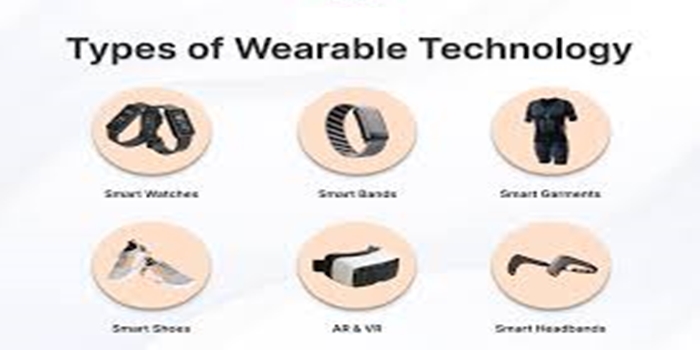
In this article, we explained wearable technology, the features, the types of wearable tech, the applications for wearable technology, the benefits, and the challenges and the future.
Definition
Wearable technology refers to electronic devices worn on the body, like smartwatches, fitness trackers, or smart glasses, that collect and exchange data through sensors, processors, and connectivity (Bluetooth, Wi-Fi) for applications in health, fitness, and daily life, acting as a seamless extension of the user to provide information and monitor activities in real-time.
Features of Wearable Technology:
Sensors and Trackers: Measure physical activity, heart rate, temperature, motion, or location.
Connectivity: Bluetooth, Wi-Fi, or cellular connections to communicate with smartphones or cloud platforms.
Data Processing: Some devices have onboard processing, while others rely on paired devices or cloud computing.
User Interface: Touchscreens, buttons, voice commands, or haptic feedback allow user interaction.
Portability and Comfort: Lightweight, ergonomic, and durable for prolonged use.
Types of Wearable Technology:
Fitness and Health Wearables
Smartwatches & Fitness Bands: Track steps, calories burned, sleep quality, and heart rate.
Heart Monitors & ECG Devices: Detect arrhythmias or monitor cardiac health.
Smart Clothing: Embedded sensors to monitor posture, movement, or muscle activity.
Wearable Glucose Monitors: Non-invasive devices for continuous blood sugar monitoring.
Augmented and Virtual Reality Wearables
AR Glasses: Overlay digital information on the real world for navigation, gaming, or industrial applications.
VR Headsets: Immersive virtual experiences for gaming, training simulations, or remote collaboration.
Medical Wearables
Devices that continuously monitor patients’ vital signs and alert caregivers or healthcare providers in real time.
Examples: Wearable ECG patches, blood pressure monitors, and sleep apnea devices.
Smart Accessories
Smart jewelry (rings, bracelets) for notifications, payments, or health tracking.
Smart shoes with GPS tracking or step monitoring.
Industrial and Occupational Wearables
Safety helmets with sensors for monitoring workers’ location, temperature, or exposure to hazardous conditions
Wearable exoskeletons to enhance strength or reduce fatigue in manual labor tasks.
Applications of Wearable Technology:
Healthcare
Continuous monitoring of vital signs reduces hospital visits.
Early detection of diseases through data analytics.
Personalized treatment plans based on real-time health data.
Fitness and Lifestyle
Encourage physical activity through step counts, calorie tracking, and personalized workout recommendations.
Monitor sleep patterns to improve rest quality.
Entertainment and Gaming
Immersive VR experiences for gaming, storytelling, or virtual concerts.
AR games like Pokémon Go integrate wearable devices for real-world interactions.
Workplace Productivity
Smart glasses can provide real-time instructions to workers, reducing err
Wearables can monitor fatigue or stress levels, improving workplace safety.
Safety and Security
GPS-enabled wearables for children, elderly, or pets.
Panic buttons or fall detection devices alert caregivers or emergency services.
Benefits of Wearable Technology:
Real-Time Monitoring: Immediate feedback allows prompt decision-making.
Personalization: Devices adapt to user habits, health conditions, or preferences.
Convenience: Hands-free, portable devices integrate seamlessly into daily life.
Preventive Healthcare: Early detection of health issues reduces medical costs.
Enhanced Productivity: Wearables optimize workflow and reduce human error in professional settings.
Challenges and Limitations:
Privacy and Security: Personal data may be vulnerable to hacking or misuse.
Battery Life: Continuous monitoring requires energy-efficient devices.
Accuracy: Sensor errors or inconsistencies can affect data reliability.
Cost: Advanced wearables can be expensive, limiting accessibility.
User Adoption: Comfort, style, and usability influence widespread adoption.
Future Trends in Wearable Technology:
Integration with AI and Big Data: Wearables will analyze data more intelligently, predicting health risks or behavioral patterns.
Healthcare Revolution: Smart devices may replace some routine check-ups and offer remote diagnosis.
Enhanced AR/VR Wearables: Lightweight, comfortable, and fully immersive devices for work, education, and entertainment
Energy-Efficient and Flexible Electronics: Solar-powered or body-heat-powered wearables.
Interconnected Ecosystems: Wearables will seamlessly communicate with smart homes, cars, and other IoT devices.
Conclusion
Wearable technology is a combination of innovation, convenience, and personalization that is having a major impact across several areas such as, Health and Fitness, Entertainment, Workplace efficiency. By enabling real-time data collection and analysis, wearables are fundamentally transforming how people live, work, and interact with technology.
READ: The Role of Information Technology in Business Growth