

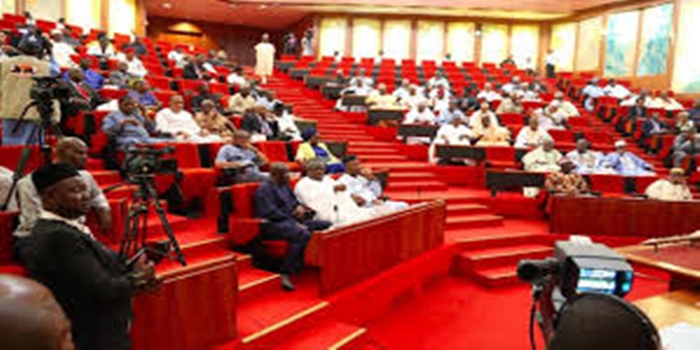
In this article, we explained political advisers, the role of political advisers, detailing their functions, influence, types, and impact on modern governance.
Definition
A political adviser is an individual who provides guidance to political leaders, parties, or governments on policy, strategy, communication, and decision-making. They are often experts in political science, law, economics, media, or diplomacy, and they assist leaders in navigating the multifaceted political environment.
Types of Political Advisers
Political advisers can be categorized based on their specialization or the nature of their advice:
- Policy Advisers
Focused on substantive issues such as economics, health, education, or foreign policy.
Provide technical expertise, statistical analysis, and policy alternatives.
Example: Economic advisers shaping fiscal policy or trade negotiations.
Strategic Advisers
Concentrate on political strategy, election campaigns, and party positioning.
Guide leaders on alliance-building, constituency engagement, and timing of initiatives.
Example: Campaign managers or political strategists during elections.
Communication or Media Advisers
Specialize in public relations, speeches, press releases, social media, and media engagement.
Manage leader’s image and ensure consistent messaging across platforms.
Example: Press secretaries or social media strategists.
Personal Advisers
Offer advice on personal and political decisions, often with confidential access to the leader.
Influence decision-making by blending personal trust with political insight.
Example: Chiefs of staff or senior confidential advisers
International or Diplomatic Advisers
Provide council on foreign policy, international negotiations, and diplomatic relations.
Help leaders navigate treaties, alliances, and global crises.
Example: Foreign policy advisers or ambassadors.
Influence on Policy and Decision-Making
Political advisers wield substantial influence on governance. While leaders are accountable to the public, advisers shape the options and framing presented to them.
Areas of Influence:
Agenda Setting: Advisers prioritize issues and determine what gets attention in government or campaigns.
Decision Framing: They influence how problems are presented and interpreted, affecting the decisions leaders make.
Risk Assessment: Advisers anticipate political backlash, opposition response, and policy consequences, guiding prudent choices.
Policy Innovation: Advisers often propose creative solutions or reforms that leaders may not conceive independently.
Without advisers, leaders may lack the nuanced understanding of political, social, and economic complexities, leading to uninformed or reactive decisions.
Role in Electoral Politics
Political advisers play a pivotal role in elections, shaping campaigns and political messaging to maximize electoral success.
Functions in Elections:
Crafting party platforms aligned with public sentiment.
Conducting voter research and opinion polls.
Designing campaign strategies, rallies, and outreach programs.
Advising on candidate debates, speeches, and media appearances.
Managing crisis communication or scandal response.
The strategic advice of political advisers often determines the outcome of elections, shaping not only who wins but also how policies are presented to the public.
Role in Governance and Administration
Beyond elections, political advisers are essential for the smooth functioning of government:
Advising on legislative strategy to ensure passage of bills.
Coordinating between ministers, departments, and civil service.
Evaluating policy outcomes and suggesting corrective measures.
Providing ethical and legal guidance to avoid misuse of power or corruption.
They serve as intermediaries between the political leadership and the bureaucratic apparatus, ensuring that political priorities translate into actionable governance.
Ethical and Accountability Considerations
While political advisers are crucial, their influence raises ethical and accountability questions:
Transparency: Advisers operate largely out of public view, which can obscure accountability.
Conflict of Interest: Advisers with personal or professional stakes in policy outcomes can compromise objectivity.
Power Dynamics: Leaders may become overly reliant on advisers, concentrating decision-making power in a small, unelected circle.
Modern democracies attempt to regulate adviser influence through ethical codes, parliamentary oversight, and media scrutiny, but the challenge remains significant.
Political Advisers in the Global Context
The role and impact of political advisers vary across systems:
Democratic Systems: Advisers are critical for campaign strategy, media management, and policy formulation. Influence is often visible through public engagement.
Authoritarian Regimes: Advisers may have more covert influence, guiding autocrats on consolidation of power, propaganda, or repression.
Transnational Advisers: In an interconnected world, advisers may shape foreign policy decisions or international lobbying efforts, impacting global relations.
In all systems, advisers act as gatekeepers of information and interpreters of political reality, making them indispensable to modern governance.
Modern Challenges and the Future of Political Advising
Political advisers today face evolving challenges:
Digital Politics: Social media and data analytics require advisers to manage instant feedback, viral misinformation, and online campaigns.
Globalization: Decisions increasingly have cross-border implications, requiring advisers with international expertise.
Complex Policy Environment: Climate change, cyber security, and economic volatility demand multi-disciplinary knowledge.
Public Scrutiny: 24/7 media coverage exposes advisers’ influence to public critique, increasing pressure for ethical conduct.
The future will see advisers combining traditional political acumen with technological expertise, data-driven strategies, and global awareness.
Core Functions:
Policy Analysis: Advisers assess the feasibility, impact, and risks of proposed policies. They provide research-based recommendations to inform decision-making.
Strategic Planning: They help craft political strategies, including electoral campaigns, legislative initiatives, and long-term governance plans.
Political Communication: Advisers guide leaders on messaging, public statements, speeches, and media engagement to shape public opinion.
Crisis Management: They anticipate and manage political crises, scandals, or conflicts, offering solutions to minimize damage to leadership credibility.
Networking and Liaison: Advisers connect leaders with interest groups, bureaucrats, foreign governments, and other stakeholders.
Essentially, they allow leaders to act with informed judgment and calculated risk, enhancing both the efficiency and effectiveness of governance.
Conclusion
Political advisers are important designers of modern politics. They provide the expertise, strategy, and foresight that enable leaders to make informed decisions, maintain public support, and navigate complex governance challenges. Their influence extends from shaping policy and political strategy to managing public perception, crisis response, and international relations. While their work is often behind the scenes, their role is central to the functioning of modern political systems.
READ: Disability Rights and Political Inclusion