

Introduction
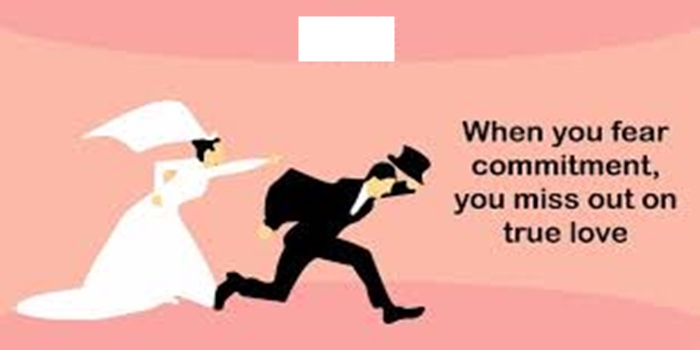
Commitment has always required openness, sacrifice, and emotional risk, but in the modern dating landscape, fear of commitment has become almost rampant. Phrases like situation ships, almost relationships, breadcrumbing, and fear of settling down reflect a culture where meaningful romantic bonds are increasingly rare or delayed.
Why People Are Afraid of Commitment in Modern Dating:
Many commitment issues have roots in personal history and inner emotional conflicts.
Past Trauma and Experiences: Previous painful breakups, experiences with infidelity, or witnessing a contentious parental divorce can instill a deep-seated fear of repeating that heartache. The fear acts as a protective mechanism against future pain.
Attachment Styles: Attachment styles, formed in childhood interactions with caregivers, significantly influence adult relationships. Individuals with an avoidant attachment style may distance themselves emotionally to avoid dependency and potential rejection, while those with an anxious attachment style may fear abandonment and inadvertently push partners away with a need for constant reassurance.
Fear of Vulnerability and Intimacy: Commitment requires emotional vulnerability, which can be terrifying for those who fear being truly seen and potentially rejected for their “darkest parts”. This fear can lead to keeping conversations superficial and avoiding deep emotional connections.
Trust Issues: A history of being let down or betrayed makes it incredibly difficult to trust new partners, leading to a reluctance to commit fully.
Fear of the Unknown/Failure: The prospect of committing to a single person for a long time involves uncertainty about the future. People may worry if they are choosing the “right” person or if they will be able to sustain the relationship, and thus avoid the decision altogether to prevent a potential failure.
Societal and Cultural Influences
The modern dating landscape and cultural shifts also contribute significantly to commitment avoidance.
Paradox of Choice and Dating Apps: The rise of dating apps has created a “shopping” mentality, offering an overwhelming number of potential partners and the illusion that the “perfect” match is always one swipe away. This fear of missing out (FOMO) makes “good enough” seem inadequate and can lead to decision paralysis and dissatisfaction with current partners.
Emphasis on Independence and Self-Actualization: Modern culture often champions self-happiness, personal growth, and independence. Many individuals, particularly millennials and Gen Z, may prioritize career aspirations and personal goals, fearing that a serious relationship will lead to a loss of autonomy or require sacrificing their dreams.
Changing Social Norms and Stigma Reduction: The stigma surrounding being single has decreased significantly. People are less pressured to get married at a young age and have more options for living a fulfilling life outside of a committed relationship, which reduces the incentive to settle down prematurely.
Economic Uncertainty: Rising living costs and financial instability can make the prospect of combining lives, finances, and future plans with another person a daunting one, leading some to focus on personal financial security instead.
Normalizing Situation ships: The prevalence of casual dating and situation ships has normalized non-committal arrangements, making deep emotional investment and the work required for a healthy, committed relationship seem less desirable or necessary.
Cultural and Societal Changes Fueling Commitment Fear:
Rise of Individualism and Personal Freedom: Modern society often emphasizes individual fulfillment, personal growth, and independence. This cultural shift can make commitment feel like a potential loss of autonomy or a closing off of other life options (professional or personal), leading some to feel trapped by long-term obligations.
Exposure to Relationship Instability: High rates of divorce and job changes are common in contemporary society. Witnessing these instances of failed commitments, particularly among role models or family members, can program individuals to be cynical and apprehensive about long-term success.
Fear of Failure and Social Stigma: Despite the prevalence of breakups and job losses, failure in relationships or careers is still often looked down upon or seen as shameful. The fear of being perceived negatively by society can make individuals hesitant to commit in the first place, thus avoiding the possibility of a public failure.
The “Culture of Upgrade”: A society built on constant technological upgrades, novelty, and immediate gratification can foster a short-term mentality. This mindset can trickle into other aspects of life, making long-term commitment seem less appealing than the prospect of finding something “better” or “new” in the future.
Economic and Political Uncertainty: Broader societal fears, such as economic instability, political uncertainty, and global issues, can create a general sense of anxiety and a “culture of fear”. In such an environment, individuals may be more likely to avoid large life commitments, finding security in maintaining flexibility and avoiding additional stress.
Shifting Norms and Expectations: Rapidly changing social norms around relationships, gender roles, and career paths mean there is less of a single “correct” path to follow. This lack of clear societal expectations can lead to uncertainty and indecision, making the prospect of commitment overwhelming as individuals try to navigate an array of choices.
Emotional and Relational Dynamics Behind Fear of Commitment:
Fear of Vulnerability: Committing to someone requires emotional openness, which can be terrifying for individuals who associate vulnerability with potential pain, betrayal, or rejection. Maintaining emotional distance acts as a self-protective mechanism to avoid getting hurt.
Fear of Abandonment or Rejection: This fear often originates from early childhood experiences of neglect or loss, or from sudden, painful breakups in adulthood. The underlying belief is that loved ones will eventually leave, making it seem safer to avoid deep attachment in the first place.
Anxiety and Insecurity: General anxiety or low self-esteem can significantly impact the ability to commit. Insecurities about one’s own worth or the stability of the relationship can lead to constant questioning and self-doubt, making long-term planning difficult.
Fear of “Making the Wrong Choice” or “Missing Out”: In a world of perceived endless options (like online dating), some individuals worry that committing to one person means closing the door on a “perfect” match who might come along later.
Feeling Trapped or Suffocated: For some, commitment is associated with a loss of independence, freedom, or sense of self. They may resist the expectations and responsibilities that come with a serious relationship, leading to feelings of being cornered or tied down.
Attachment Styles: Developed during childhood interactions with primary caregivers, attachment styles heavily influence adult relationships.
Avoidant Attachment: Individuals with a dismissive-avoidant style tend to distance themselves emotionally and value self-reliance, associating commitment with a loss of independence.
Anxious-Preoccupied Attachment: These individuals fear abandonment and may exhibit clingy behaviors, yet the intense anxiety can also make commitment daunting.
Fearful-Avoidant Attachment: People with this style are torn between a desire for intimacy and a fear of getting hurt, leading to ambivalence about commitment.
Past Relationship Trauma: Painful experiences, such as infidelity, emotional abuse, or a contentious divorce (whether personally experienced or witnessed, as with parents), can create powerful mental “threat” responses that cause a person to avoid similar situations in the future.
Relationship Sabotage: Individuals with commitment issues may subconsciously self-sabotage a progressing relationship by starting arguments, becoming critical of their partner, or withdrawing emotionally to force an end to the relationship before they can be hurt.
Communication Breakdown: Difficulty in discussing the future, needs, and fears openly can create a cycle of misunderstanding and distance, as one partner pulls back when the other seeks clarity or closeness.
Conclusion
People fear commitment in modern dating not because love is less important, but because the conditions surrounding love have become more complex. Today’s dating world is shaped by: Overabundance of choice, technology-driven instability, evolving roles and expectations, psychological wounds, economic pressure, cultural emphasis on personal freedom, commitment remains deeply desired but also deeply feared. Understanding these forces can help individuals navigate dating with more clarity, compassion, and self-awareness.