

Introduction
Technology has become an important part of everyday life, influencing how people communicate, work, learn and access information. Over the years, mobile communication has developed from 2G and 3G to 4G and now 5G networks. The introduction of 5G has brought improvements in internet speed, connectivity and communication. It allows people to access online services faster and supports modern technologies in different sectors. This article discusses the meaning of 5G networks, their impact on everyday life, benefits and challenges.
- Meaning of 5G Networks
5G, meaning fifth-generation wireless technology, is the latest generation of mobile network technology designed to provide faster internet speeds, lower delays and improved connectivity. It supports activities such as video streaming, online gaming, video conferencing and the connection of smart devices. It also creates opportunities for technological development in education, healthcare, transportation and business.
- Impact of 5G Networks on Everyday Life
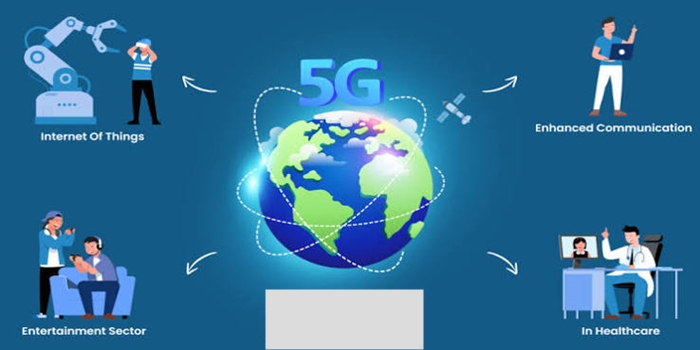
- Improved Communication: 5G makes online communication faster and more efficient. It improves video calls, online meetings and messaging, allowing people to communicate easily regardless of their locations.
- Better Education: Students and teachers can access online learning platforms, educational videos and digital libraries more efficiently. It also supports virtual classrooms and interactive learning.
- Improved Healthcare: 5G supports telemedicine, remote consultations and the sharing of medical information. It allows healthcare professionals to communicate with patients and collaborate more effectively.
- Business Development: Businesses can use 5G to improve online transactions, digital marketing, customer service and other business operations. It also helps small businesses reach customers through online platforms.
- Entertainment: 5G provides opportunities for faster video streaming, online gaming and live broadcasting. Users can enjoy digital entertainment with reduced buffering when network conditions are suitable.
- Smart Homes: 5G supports connected devices such as smart televisions, security cameras, smart lighting and automated appliances, making household activities more convenient.
- Transportation: It supports intelligent traffic management, connected vehicles and improved communication between transportation systems.
- Benefits of 5G Networks
Some major benefits of 5G networks include:
Faster internet connectivity.
Improved communication and information sharing.
Better access to online education.
Support for modern healthcare services.
Increased business productivity.
Improved entertainment experiences.
Development of smart cities and connected devices.
Opportunities for innovation and economic growth.
- Challenges of 5G Networks
Despite its advantages, 5G technology also has some challenges.
High Installation Costs: Establishing 5G infrastructure requires significant investment in network equipment and technology.
Limited Coverage: Some rural and remote communities may not have access to 5G services.
Expensive Devices: Users may need compatible smartphones and other devices to enjoy 5G services.
Cybersecurity Risks: Increased connectivity creates concerns about data privacy, online security and unauthorized access to information.
Digital Inequality: People who cannot afford compatible devices or internet services may find it difficult to benefit from 5G technology.
- Future of 5G Networks
The future of 5G networks is promising as technology continues to develop. It is expected to support further improvements in artificial intelligence, smart cities, automated transportation, digital healthcare and industrial operations. As network coverage expands and compatible devices become more accessible, more people and businesses will have opportunities to benefit from 5G technology.
Conclusion
5G networks have a significant impact on everyday life by improving communication, education, healthcare, business and entertainment. They provide faster internet connectivity and support the development of modern digital technologies. Although challenges such as high installation costs, limited coverage and cybersecurity risks exist, 5G continues to create opportunities for innovation and development. It is an important advancement that will contribute to a more connected and technologically advanced society.