

Introduction
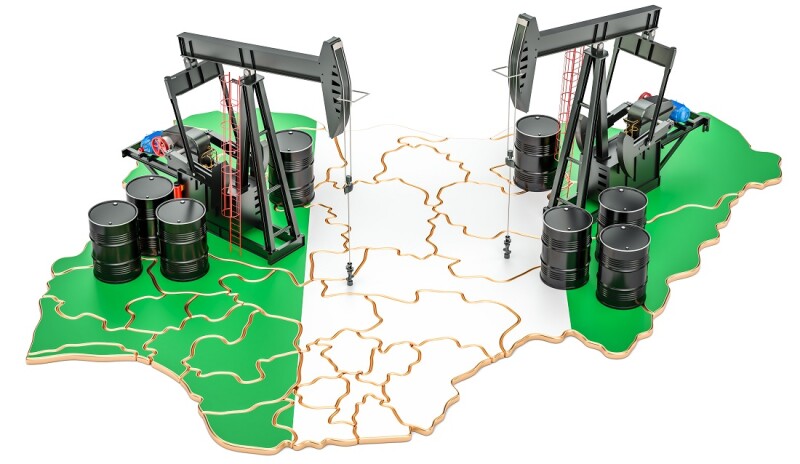
Nigeria’s oil and gas industry remains one of the most important sectors of the national economy. For decades, crude oil and natural gas have contributed significantly to government revenue, foreign exchange earnings, employment, industrial development, and infrastructure growth.
Despite its enormous potential, the industry continues to face several challenges that affect production, investment, profitability, environmental sustainability, and economic development. Addressing these challenges is essential if Nigeria is to maximize its petroleum resources while preparing for a more diversified and sustainable energy future. Below are some of the challenges that affects the oil and gas industry in Nigeria.
Explore the major challenges facing Nigeria’s oil and gas industry, including oil theft and pipeline vandalism, Inadequate Infrastructure, Refinery and Petroleum Product Challenges, infrastructure gaps, and Security Challenges
1. Oil Theft and Pipeline Vandalism
Oil theft remains one of the major challenges confronting Nigeria’s petroleum industry. Crude oil is illegally tapped from pipelines and transported through unauthorized channels, resulting in significant losses to operators and the government.
Pipeline vandalism also disrupts production and damages critical infrastructure. Apart from the financial losses, spills caused by damaged pipelines can contaminate soil and water resources, particularly in oil-producing communities.
Improved surveillance, pipeline security, community engagement, technology-driven monitoring, and stronger enforcement can help reduce these activities.
2. Inadequate Infrastructure
Aging and inadequate infrastructure continue to affect the efficiency of Nigeria’s oil and gas operations. Some pipelines, terminals, processing facilities, storage systems, and other petroleum assets require significant rehabilitation or modernization due to damages and being outdated.
Infrastructure deficiencies can increase operating costs, cause production delays, and reduce the reliability of petroleum operations. Continued investment in modern infrastructure is therefore necessary to improve productivity and reduce operational losses as to be able to meet market demands.
3. Refinery and Petroleum Product Challenges
Nigeria has historically experienced difficulties maintaining sufficient domestic refining capacity. When local refineries cannot meet demand, the country becomes more dependent on imported petroleum products and private individual refined products like Aliko Dangote petroleum products.
This creates additional pressure on foreign exchange and exposes consumers and businesses to fluctuations in international energy markets. The development and effective operation of modern refining facilities can help strengthen domestic energy security and support local value addition.
4. Security Challenges
Security concerns in some oil-producing areas can disrupt petroleum operations. Attacks on infrastructure, criminal activities, community conflicts, and other security threats can increase operating costs and make certain areas more difficult to access.
Collaboration among government agencies, security institutions, oil companies, and host communities is important for creating a safer operating environment.
5. Host Community Relations
Relations between oil and gas companies and host communities can significantly influence the success of petroleum projects.
Communities often expect employment opportunities, infrastructure development, environmental protection, business opportunities, and other forms of economic participation. When expectations are not properly managed, disputes may arise and affect operations.
Transparent communication, community participation, local employment, skills development, and sustainable community development programs can help strengthen relationships.
6. High Operating Costs
Operating an oil and gas business in Nigeria can be expensive due to security requirements, logistics challenges, infrastructure deficiencies, equipment maintenance, regulatory processes, and other operational factors.
High costs can reduce project profitability and discourage investment in marginal or technically challenging fields. Improving infrastructure, logistics, regulatory efficiency, and operational practices can help reduce these costs.
Ways to overcome the challenges facing Nigeria’s oil and gas industry
Overcoming the challenges facing Nigeria’s oil and gas industry requires coordinated action from government, regulators, operators, investors, service companies, host communities, and other stakeholders.
Some key priorities include:
- Strengthening pipeline and oilfield security.
- Tackling oil theft and illegal refining.
- Investing in modern petroleum infrastructure.
- Improving regulatory transparency and efficiency.
- Strengthening environmental protection and remediation.
- Supporting indigenous oil and gas service companies.
- Increasing investment in technical education and skills development.
- Improving relationships with host communities.
- Strengthening preventive maintenance and asset integrity.
- Encouraging responsible domestic and foreign investment.
- Preparing the industry for the global energy transition.
Summary
Nigeria’s oil and gas industry has enormous potential to contribute to economic growth, energy security, employment, industrialization, and national development. However, challenges such as oil theft, pipeline vandalism, inadequate infrastructure, environmental pollution, security concerns, regulatory uncertainty, high operating costs, and the global energy transition continue to limit its full potential.
The future of the industry will depend not only on the amount of oil and gas Nigeria produces, but also on how effectively the country manages its resources, develops local capacity, protects the environment, attracts investment, and creates value across the petroleum value chain.
By addressing these challenges through effective policies, technology, investment, strong institutions, and meaningful stakeholder collaboration, Nigeria can build a more competitive, resilient, and sustainable oil and gas industry.