

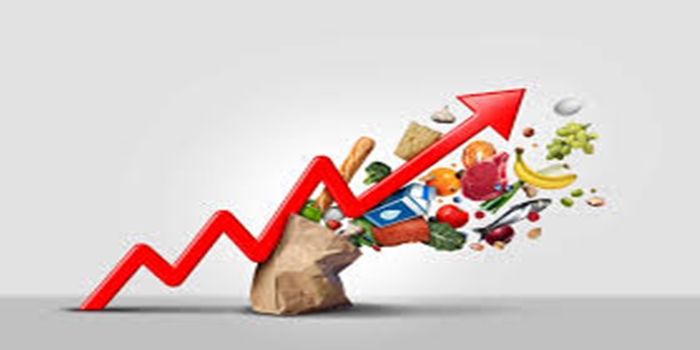
in this article, we explained inflation, the features, how inflation Is measured, types of inflation, causes of inflation, how inflation Is reshaping consumer spending.
Definition
Inflation is the sustained increase in the general price level of goods and services in an economy over time, which reduces the purchasing power of money. Inflation means your money buys fewer goods and services than it did before.
Features of Inflation
Sustained It is not a one-time price increase, but a continuous rise over time.
Broad-Based, it affects many goods and services, not just one product.
Reduces Purchasing Power, The value of money declines.
How Inflation Is Measured
Inflation is commonly measured using:
Consumer Price Index (CPI) Tracks changes in prices paid by consumers.
Producer Price Index (PPI) Measures price changes from the producer’s perspective.
In countries like the United States, inflation data is published regularly and monitored closely by institutions such as the Federal Reserve.
Main Types of Inflation
Demand-Pull Inflation: Occurs when demand for goods/services exceeds supply, often described as “too much money chasing too few goods”.
Cost-Push Inflation: Triggered by increased production costs (e.g., higher wages, raw material prices), forcing businesses to raise prices.
Built-in Inflation: Linked to adaptive expectations, where workers demand higher wages to keep up with rising costs, creating a wage-price spiral.
Creeping Inflation: A slow, steady rise, typically
or less annually, often considered beneficial for economic growth.
Walking/Moderate Inflation: A faster, moderate pace (
annually) that may cause concern.
Galloping Inflation: High, rapid inflation, often in double or triple digits severely harming the economy.
Hyperinflation: Extreme, out-of-control inflation, often exceeding
per month, making money virtually worthless.
Causes of Inflation:
Demand-Pull Inflation: Occurs when the demand for goods and services exceeds the economy’s production capacity, often described as “too much money chasing too few goods”.
Cost-Push Inflation: Triggered by rising input costs, such as higher wages or raw material prices (e.g., oil), forcing producers to raise prices to maintain margins.
Built-in/Adaptive Expectations: A self-reinforcing loop where workers demand higher wages to keep up with rising living costs, which in turn causes businesses to raise prices.
Increased Money Supply: When the money supply grows too large relative to the size of the economy, the currency’s purchasing power decreases.
Expansionary Fiscal/Monetary Policy: Lower interest rates or increased government spending can boost demand, leading to inflationary pressures.
Supply Shocks: Disruptions to the supply chain or production, such as natural disasters or geopolitical conflicts (e.g., the Russia-Ukraine war), reduce supply and drive-up costs.
Currency Devaluation: A decline in a country’s currency value can increase the cost of imports, contributing to inflation.
How Inflation Is Reshaping Consumer Spending:
Prioritizing Essentials: Households are prioritizing groceries, household supplies, and basic necessities over non-essential, discretionary goods.
Trading Down and Value Seeking: Consumers are switching to generic or store-brand products to get better value for money.
Stock-up” Behavior: To hedge against future price increases, shoppers are buying in larger quantities, especially during promotions, even if it strains short-term cash flow.
Reduction in Eating Out: Inflation has accelerated shifts toward eating at home rather than dining out.
Increased Price Sensitivity: Consumers are more cautious, spending more time researching deals, discounts, and lower-priced alternatives.
Budgeting and Planning: Households are planning meals more tightly to reduce waste and managing budgets more strictly.
The Psychological Impact of Inflation
Inflation reshapes not only spending but also perception.
When consumers expect prices to keep rising:
They may accelerate purchases (anticipatory buying)
Or delay spending due to uncertainty
Or hoard essentials
Inflation expectations can become self-reinforcing.
Consumer sentiment indicators, tracked by institutions like the University of Michigan, show that perception of future prices significantly influences current behavior.
Inflation is both an economic and psychological phenomenon.
Conclusion
Inflation reshapes consumer spending not merely by reducing purchasing power, but by transforming behavior, it pushes households toward intentionality.it accelerates substitution, it stresses loyalty, it rewards clarity of value.
READ: The Political Impacts of Inflation and Unemployment