

Introduction
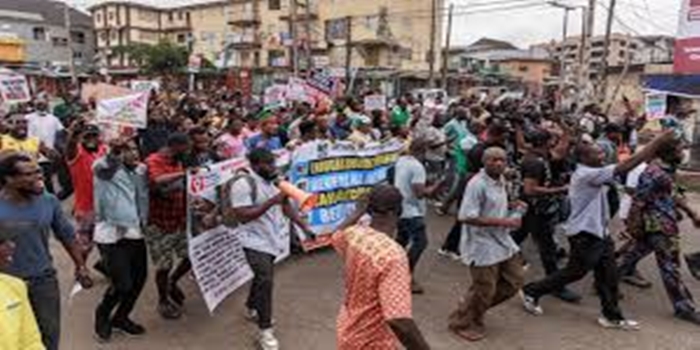
Protests have long been a powerful mechanism through which ordinary people influence legal frameworks and political systems. By mobilizing public opinion, pressuring institutions, and reshaping social norms, protests often act as catalysts for legal reforms and political transformation. Although not every protest results in immediate change, history shows that sustained collective action can significantly alter laws, policies, and governance structures.
Protests as a Tool for Change:
Raising Awareness and Shaping Public Opinion
One of the most significant ways protests lead to change is by raising public awareness. Protests draw media attention, generate public debate, and introduce new narratives into political discourse. Issues that were previously ignored, normalized, or hidden can become central topics of national or even global discussion.
As public opinion shifts, political leaders often adjust their positions to maintain legitimacy and electoral support. In democratic systems especially, politicians are sensitive to sustained public pressure, as ignoring popular movements can result in loss of office. Even in authoritarian contexts, widespread protests can undermine the perceived legitimacy of the state and force concessions.
Pressure on Political Institutions
Protests exert direct and indirect pressure on political institutions such as parliaments, courts, executive offices, and law enforcement agencies. Large-scale demonstrations can disrupt daily life, economic activity, or governance, increasing the cost of inaction for authorities.
This pressure may lead to:
The introduction of new legislation
Repeal or amendment of existing laws
Creation of investigative commissions or policy reviews
Resignation or removal of political leaders
In many cases, governments enact reforms not necessarily because they fully agree with protesters, but because maintaining the status quo becomes politically or economically unsustainable.
Protests and Legal Reform
Legal changes often follow prolonged protest movements that highlight injustice, inequality, or abuse of power. Courts and lawmakers may respond to protests by reinterpreting existing laws or passing new ones to align with evolving social values.
Examples include:
Civil rights movements leading to anti-discrimination laws
Labor protests resulting in minimum wage laws, workplace safety regulations, and union protections
Women’s rights movements contributing to voting rights, reproductive rights, and gender equality laws
Environmental protests prompting regulations on pollution, climate policy, and conservation
Protests can also influence judicial decisions by reshaping the broader social context in which courts operate. Judges, while independent, do not exist in a vacuum and may consider changing societal norms when interpreting constitutional or human rights principles.
Protests as Expressions of Collective Grievance
At their core, protests arise from widespread dissatisfaction with existing social, political, or legal conditions. When formal channels such as elections, courts, or legislative lobbying fail to address grievances, citizens often turn to protest as an alternative means of participation. By gathering in large numbers, protesters transform individual concerns into collective demands, making them harder for authorities to ignore.
The Role of Organization and Leadership
Protests are more likely to result in legal and political change when they are well-organized and strategically led. Clear goals, coherent messaging, and identifiable leadership help translate public anger into concrete demands. Movements that connect street protests with legal advocacy, electoral participation, or institutional engagement tend to achieve more lasting results.
Limitations and Challenges
Despite their power, protests do not guarantee change. Governments may respond with repression, symbolic concessions, or delays. Movements can lose momentum due to internal divisions, fatigue, or lack of clear objectives. Legal changes achieved through protest may also be reversed if not firmly institutionalized.
However, even unsuccessful protests can have long-term effects by altering public consciousness, inspiring future movements, and laying the groundwork for later reforms.
Long-Term Societal Impact
Beyond immediate legal or political outcomes, protests contribute to the evolution of democratic culture. They expand the boundaries of political participation and redefine what is considered acceptable, just, or possible within a society. Over time, this cultural shift can be just as important as formal legal change, influencing how future laws are written and enforced.
Conclusion
Protests are a powerful means through which citizens express dissatisfaction and demand reform when existing political systems fail to respond. By mobilizing large numbers of people, protests draw public and media attention to social, economic, or political injustices, helping to shape public opinion and legitimize calls for change.