

Introduction
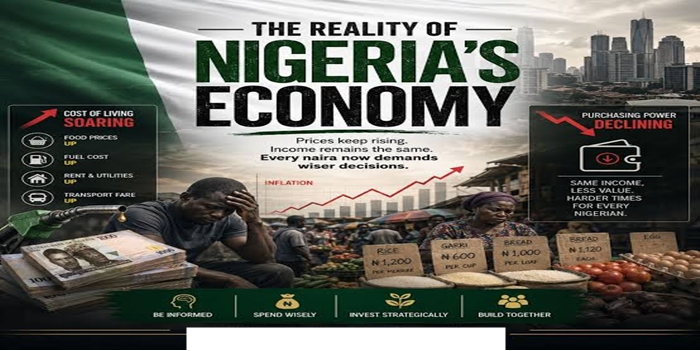
Nigeria’s economy continues to face challenges such as rising living costs, inflation, unemployment, unstable electricity and declining purchasing power. Over the years, government has introduced various economic policies, including fuel subsidy removal, tax reforms and foreign exchange adjustments, to improve economic stability and promote development. However, these policies have generated mixed reactions, as many Nigerians continue to struggle financially. This raises an important question: Are government policies making life easier or harder for ordinary citizens? Understanding their impact is essential to evaluating Nigeria’s economic progress and the effectiveness of government leadership.
- Fuel Subsidy Removal and Its Impact on Citizens
One of the most debated economic decisions in Nigeria was the removal of the fuel subsidy in May 2023.
The government argued that removing the subsidy would reduce public expenditure and allow more resources to be invested in infrastructure, healthcare and education.
However, the decision resulted in increased petrol prices, higher transportation costs and rising prices of essential goods. Small businesses that depend on petrol-powered generators also experienced increased operating expenses.
Although subsidy removal may provide long-term economic benefits, its success depends on how effectively the savings are managed and whether citizens receive adequate support.
- Inflation and the Rising Cost of Living
Inflation is one of the major challenges affecting Nigerian households. The prices of food, transportation, housing and other essential goods have continued to put pressure on family budgets.
Many workers find it difficult to meet their daily needs because their salaries do not increase at the same rate as the cost of living.
Government should introduce policies that promote local production, improve food distribution and reduce unnecessary economic pressures.
Controlling inflation is important because economic growth has little meaning when citizens cannot afford basic necessities.
- Foreign Exchange Policies and the Value of the Naira
Nigeria’s foreign exchange policies have generated considerable debate. Government efforts to reform the exchange rate system are intended to improve transparency, attract investment and strengthen the financial market.
However, the depreciation of the naira has increased the cost of imported goods, machinery and industrial materials.
Businesses that depend on imported products face higher operating costs, while consumers experience increased prices.
Government should therefore encourage local production, strengthen exports and introduce policies that promote exchange rate stability.
- Unemployment and Youth Empowerment
Unemployment remains a serious concern, particularly among Nigerian youths. Many graduates struggle to secure jobs, while others lack the financial resources to establish businesses.
Government should priorities job creation through agriculture, technology, industrial development and entrepreneurship.
Vocational training and financial support for small businesses should also be encouraged.
Creating sustainable employment opportunities will improve household income and reduce poverty.
- Tax Policies and Their Effects on Businesses
Taxation is an important source of government revenue. However, tax policies must be designed carefully to avoid placing unnecessary pressure on citizens and businesses.
Nigeria’s tax reforms introduced in 2026 aim to improve revenue collection and modernise the tax system.
While these reforms may improve government revenue, their implementation should be fair, transparent and sensitive to the financial situation of small business owners.
Government should ensure that taxation encourages economic activities rather than discouraging entrepreneurship and investment.
- Agriculture and Food Security
Agriculture plays an important role in Nigeria’s economy by providing employment and supporting food production.
However, farmers face challenges such as insecurity, inadequate financing, poor storage facilities, flooding and high transportation costs.
These problems contribute to food shortages and rising market prices.
Government should support farmers with affordable loans, modern equipment, improved security and better transportation infrastructure.
Investing in agriculture will strengthen food security, create employment and reduce dependence on imported food.
- The Impact of Government Policies on Small Businesses
Small businesses are important to Nigeria’s economic development because they provide employment and support local production.
Unfortunately, many business owners struggle with unstable electricity, high transportation costs, expensive raw materials and limited access to loans.
Government should introduce policies that provide affordable financing, improve electricity supply and support local industries.
Helping small businesses grow will encourage entrepreneurship, increase employment and strengthen the economy.
- Economic Growth Versus Citizens’ Welfare
One important issue in evaluating government policies is the difference between economic growth and improved living conditions.
A country may record improvements in revenue, foreign investment and economic output while ordinary citizens continue to struggle with food prices, rent and transportation expenses.
This shows that economic growth does not automatically translate into better living conditions.
Government should therefore measure the success of economic policies by examining their effects on poverty, employment, purchasing power and access to essential services.
- What Should Government Do to Make Life Easier?
To improve Nigeria’s economic situation, government should:
Control inflation: Encourage local production and introduce policies that promote price stability.
Create employment: Support industries, entrepreneurship and private-sector investment.
Improve electricity: Provide reliable power to reduce business operating costs.
Support farmers: Provide affordable loans, modern equipment and better security.
Strengthen social welfare: Provide meaningful support for vulnerable households.
Improve healthcare and education: Invest in quality public services.
Promote transparency: Ensure proper management of public funds.
Maintain policy consistency: Avoid frequent changes that create uncertainty for businesses and investors.
- The Responsibility of Citizens
Citizens also have an important role in economic development. Nigerians should develop productive skills, support local businesses, participate in economic activities and hold government officials accountable for public spending.
Supporting local production and entrepreneurship can contribute to job creation and economic growth.
However, government must provide an enabling environment where citizens and businesses can succeed.
Conclusion
Nigeria’s economic policies have produced mixed results, with some reforms aimed at promoting long-term growth while creating financial difficulties for many citizens. Rising inflation, unemployment, high living costs and inadequate infrastructure continue to affect households and businesses. Government must therefore priorities policies that improve living standards, create employment, support local businesses and reduce economic hardship. Ultimately, the success of any economic policy should be measured by how much it improves the lives of ordinary Nigerians and promotes sustainable national development.