

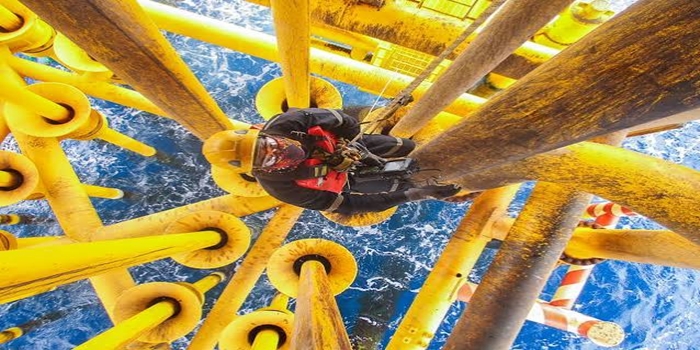
Introduction
The oil and gas industry remains a major contributor to the global economy, providing energy, employment, and revenue. However, the industry faces a changing landscape shaped by technology, environmental concerns, market fluctuations, and the transition to cleaner energy. These changes create new opportunities for growth while also introducing significant risks that businesses must understand and manage.
Opportunities in the Oil and Gas Industry
- Growing Energy Demand
Oil and gas continue to play an important role in meeting global energy needs. Developing economies in particular require reliable energy to support industrialization, transportation, and economic growth.
This creates opportunities for companies involved in exploration, production, processing, transportation, and distribution.
- Natural Gas Development
Natural gas is an important source of energy for electricity generation, industrial activities, and other applications. Investment in gas exploration, processing, pipelines, and distribution can create significant opportunities.
Developing natural gas resources can also support industries that depend on reliable and affordable energy.
- Technology and Digital Transformation
Technology is creating new ways for oil and gas companies to improve their operations. Artificial intelligence, automation, robotics, drones, and data analytics can help companies monitor equipment, predict maintenance needs, improve production, and reduce downtime.
Companies that adopt useful technologies can improve efficiency and make better operational decisions.
- Local Content and Job Creation
The industry creates opportunities for local businesses to provide goods and services. These can include engineering, construction, transportation, maintenance, logistics, security, catering, and professional services.
Developing local skills and businesses can create employment and strengthen the wider economy.
- Refining and Value Addition
Investment in refineries and petrochemical facilities can create additional value from crude oil and natural gas. Modern refining facilities can increase the supply of petroleum products while supporting related manufacturing industries.
Risks in the Oil and Gas Industry
- Oil Price Volatility
Oil and gas prices can change significantly because of global demand, production levels, geopolitical events, and economic conditions.
Price declines can reduce company revenues and affect investment plans. Businesses therefore need strong financial planning and risk-management strategies.
- Environmental Risks
Oil and gas operations can create environmental risks, including spills, emissions, gas leaks, waste, and damage to ecosystems.
Environmental incidents can lead to financial losses, regulatory penalties, and reputational damage. Companies must therefore maintain strong environmental management and emergency-response systems.
- Health and Safety Risks
Oil and gas operations involve hazardous materials, heavy machinery, high temperatures, and high-pressure systems.
Accidents can cause injuries, fatalities, equipment damage, and production delays. Strong safety procedures, employee training, equipment maintenance, and protective measures are essential.
- Geopolitical and Regulatory Risks
Political instability, conflicts, sanctions, and changes in government policies can affect oil and gas operations.
Regulatory changes can also increase costs or affect the profitability of projects. Companies need to monitor political and regulatory developments and ensure that their operations remain compliant.
- Cybersecurity Threats
As the industry becomes more digital, cybersecurity risks are increasing. Oil and gas facilities rely on computer networks, automated systems, sensors, and digital controls.
Cyberattacks could disrupt operations or compromise sensitive information. Companies therefore need strong cybersecurity systems and employee awareness programs.
- Energy Transition
The global shift toward renewable and lower-carbon energy presents a long-term challenge for traditional oil and gas companies.
Changing consumer preferences, government policies, and investment trends could affect future demand for some fossil fuels. Companies may need to explore new technologies and diversify their activities to remain competitive.
Managing Opportunities and Risks
Success in the oil and gas industry requires a balance between taking advantage of opportunities and managing potential risks.
Companies can improve their resilience by investing in technology, developing skilled workers, strengthening safety systems, protecting the environment, improving cybersecurity, and maintaining strong financial and operational planning.
Innovation will also be important. Technologies such as artificial intelligence, predictive maintenance, robotics, and advanced data analytics can help companies operate more efficiently and respond to challenges faster.
Conclusion
The oil and gas industry presents significant opportunities through technological innovation, energy demand, natural gas, refining, and local content development. However, companies must also manage risks such as price volatility, environmental concerns, safety challenges, and the transition to cleaner energy. By embracing innovation, sustainability, strong safety practices, and effective risk management, businesses can remain competitive and successful in the changing energy landscape.