

Introduction
Explore the common triggers of fuel explosions and understand the risks posed by fuel leaks, static electricity, Poor Ventilation and Key Strategies to Prevent Fire Escalation during fuel explosion.
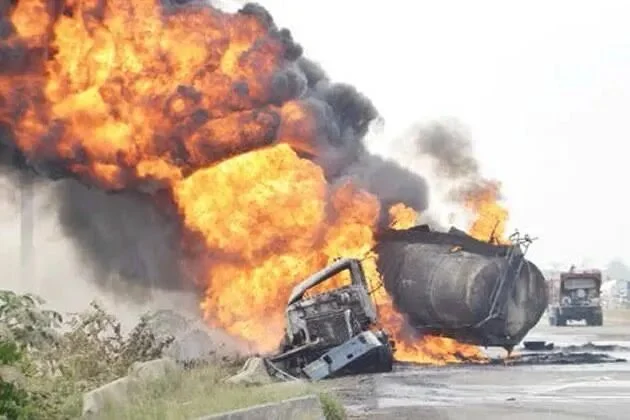
Fuel explosions are among the most dangerous industrial and environmental incidents, particularly in sectors such as oil and gas, transportation, manufacturing, and fuel storage. When a fuel explosion occurs, the resulting fire can escalate rapidly if not properly controlled, leading to loss of lives, extensive property damage, and severe environmental pollution. Preventing the escalation of fire during a fuel explosion requires proactive planning, strict safety measures, and effective emergency response systems.
Causes of Fuel Explosion
- Fuel Leaks and Spills
One of the most common causes of fuel explosions is leakage from tanks, pipelines, hoses, or containers. When fuel escapes into the air, it forms flammable vapors that can ignite easily if exposed to a spark or heat source.
- Presence of Ignition Sources
Fuel vapors can ignite when they come into contact with ignition sources such as open flames, sparks, hot surfaces, smoking materials, or faulty electrical equipment. Even a small spark is enough to trigger an explosion in a fuel-rich environment.
- Poor Ventilation
In enclosed or poorly ventilated spaces, fuel vapors can accumulate to explosive concentrations. Without adequate airflow to disperse these vapors, the risk of explosion increases significantly.
- Static Electricity
Static electricity buildup during fuel transfer, loading, or unloading can generate sparks. If proper grounding and bonding are not in place, these sparks can ignite fuel vapors and cause an explosion.
- Equipment Failure or Poor Maintenance
Aging, damaged, or poorly maintained equipment such as storage tanks, valves, pumps, and pipelines can fail unexpectedly. Corrosion, cracks, or pressure buildup may lead to fuel release and subsequent explosion.
- Overpressure and Temperature Extremes
Excessive pressure or high temperatures can cause fuel containers or tanks to rupture. This sudden release of fuel under pressure can result in an explosive fire, especially in confined spaces.
- Human Error and Unsafe Practices
Improper handling of fuel, ignoring safety procedures, overfilling tanks, or using inappropriate containers can lead to dangerous situations. Lack of training and negligence are major contributors to fuel explosions.
- Electrical Faults
Faulty wiring, short circuits, or non-explosion-proof electrical devices in fuel-handling areas can produce sparks or heat capable of igniting fuel vapors.
- Mixing of Incompatible Substances
Combining fuel with incompatible chemicals or contaminants can increase volatility or trigger unexpected chemical reactions, leading to explosions.
- External Factors
External events such as vehicle collisions, mechanical impact, lightning strikes, or nearby fires can damage fuel systems and cause explosions.
Key Strategies to Prevent Fire Escalation
- Proper Fuel Storage and Handling
Fuel should be stored in approved, well-maintained containers and tanks designed to withstand pressure and heat. Regular inspection for leaks, corrosion, and structural weakness is essential. Proper labeling, segregation of fuels, and adherence to storage capacity limits help reduce the risk of large-scale ignition.
- Installation of Fire Detection and Suppression Systems
Early detection is critical. Flame detectors, gas detectors, and heat sensors should be installed in high-risk areas to identify leaks or fires promptly. Automatic fire suppression systems such as foam, dry chemical, or water mist systems can rapidly control flames and prevent spread before emergency responders arrive.
- Control of Ignition Sources
One of the most effective ways to prevent escalation is eliminating potential ignition sources. This includes enforcing strict no-smoking policies, using explosion-proof electrical equipment, grounding and bonding fuel systems to prevent static electricity, and maintaining safe distances between fuel storage and ignition-prone equipment.
- Emergency Shutdown and Isolation Systems
Emergency shutdown systems (ESD) allow operators to quickly stop fuel flow during an incident. Isolation valves and pressure relief devices help prevent additional fuel from feeding the fire, reducing the likelihood of secondary explosions and fire spread.
- Adequate Ventilation and Pressure Relief
Proper ventilation prevents the buildup of flammable vapors that can intensify explosions. Pressure relief vents and blowout panels help release excess pressure safely, minimizing structural damage and reducing fire escalation risks.
- Training and Emergency Preparedness
Well-trained personnel are critical in managing fuel-related emergencies. Regular fire drills, safety training, and clear emergency response plans ensure that workers know how to act quickly and correctly during an explosion or fire incident. This includes evacuation procedures and first-response firefighting actions.
- Regular Maintenance and Safety Audits
Routine maintenance of equipment and periodic safety audits help identify hazards before they lead to incidents. Compliance with safety standards and regulations ensures that systems remain effective and up to date.
The Role of Emergency Response Coordination
Effective communication and coordination with emergency services such as fire brigades and medical teams can significantly limit damage. Clearly marked access routes, updated site maps, and readily available safety information enable faster and safer response efforts.
Conclusion
Preventing the escalation of fire during a fuel explosion is not achieved through a single action but through a comprehensive safety approach. Proper storage, early detection, ignition control, trained personnel, and robust emergency systems all play vital roles. By investing in preventive measures and maintaining a strong safety culture, organizations can significantly reduce the impact of fuel explosions and protect lives, assets, and the environment.
Safety is not optional, it is a responsibility that saves lives.