

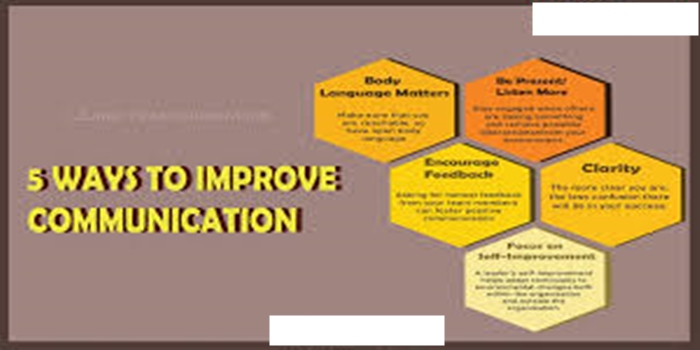
In this article, we discussed communication skills, the types, the importance ways to improve your communication skills, challenges to effective communication, how tech affects communication.
Definition
Communication skills refer to the ability to share information, thoughts, emotions, and ideas effectively with others. It includes both verbal and nonverbal communication.
Types of Communication
- Verbal Communication
This involves spoken words during conversations, speeches, meetings, interviews, and phone calls.
- Nonverbal Communication
This includes facial expressions, gestures, body language, eye contact, posture, and tone of voice.
- Written Communication
This includes emails, text messages, reports, letters, social media posts, and other written forms of interaction.
- Listening Skills
Communication is incomplete without listening. Effective listening helps people understand messages accurately and respond properly.
Why Communication Skills Are Important
Strong communication skills can improve many areas of life.
- Better Relationships
Good communication strengthens relationships with family, friends, coworkers, and partners. It helps people express feelings honestly and resolve conflicts peacefully.
- Career Growth
Employers value workers who can communicate clearly and professionally. Strong communication improves teamwork, leadership, customer service, and workplace productivity.
- Increased Confidence
People who communicate effectively often feel more confident during conversations, meetings, interviews, and presentations.
- Improved Problem Solving
Clear communication reduces misunderstandings and helps people solve problems more efficiently.
- Leadership Development
Effective leaders communicate vision, instructions, expectations, and encouragement clearly.
Simple Ways to Improve Your Communication Skills
- Become a Better Listener
One of the biggest mistakes people make is focusing more on speaking than listening. Good communication starts with active listening.
Active listening means:
Paying full attention
Avoiding interruptions
Understanding the speaker’s message
Asking relevant questions
Responding thoughtfully
When people feel heard, communication becomes more effective and respectful.
Tips for Better Listening
Maintain eye contact
Put away distractions
Avoid thinking about your response while others speak
Show interest through facial expressions and gestures
Repeat important points for clarity
- Speak Clearly and Simply
Using complicated words does not always make communication better. In many cases, simplicity improves understanding.
Use clear language
Speak at a moderate pace
Pronounce words properly
Avoid unnecessary jargon
Organize thoughts before speaking
The goal of communication is understanding, not impressing people.
- Improve Your Body Language
Nonverbal communication often speaks louder than words. Your posture, facial expressions, gestures, and eye contact influence how others interpret your message.
Positive Body Language Tips
Maintain comfortable eye contact
Smile naturally
Sit or stand confidently
Avoid crossing arms excessively
Use appropriate hand gestures
Nod to show understanding
Confident body language makes communication more engaging and trustworthy.
- Expand Your Vocabulary
Having a strong vocabulary helps you express yourself more accurately and confidently.
You can improve your vocabulary by:
Reading books
Listening to podcasts
Watching educational content
Learning new words daily
Practicing writing regularly
However, focus on understanding and using words naturally rather than trying to sound overly sophisticated.
- Practice Public Speaking
Public speaking helps improve confidence, clarity, and communication under pressure.
You can practice by:
Speaking during meetings
Joining discussion groups
Recording yourself speaking
Practicing presentations
Participating in community events
The more you practice speaking in front of others, the more comfortable you become.
- Think Before You Speak
Impulsive communication can lead to misunderstandings, conflict, or regret.
Before speaking:
Consider your message carefully
Think about your tone
Evaluate the impact of your words
Ensure your message is respectful and clear
Thoughtful communication improves relationships and reduces unnecessary tension.
Common Barriers to Effective Communication
Understanding communication barriers can help you overcome them.
Lack of Attention
Distractions reduce listening and understanding.
Fear and Anxiety
Nervousness can make communication unclear.
Emotional Reactions
Strong emotions may interfere with rational communication.
Cultural Differences
Different backgrounds may affect communication styles and interpretations.
Assumptions
Assuming others understand automatically often creates misunderstandings.
How Technology Affects Communication
Technology has transformed communication significantly.
Positive Effects
Faster communication
Global connections
Easy information sharing
Remote collaboration
Negative Effects
Reduced face-to-face interaction
Misunderstood text messages
Shortened attention spans
Overdependence on digital communication
Balancing online and personal communication is important.
Conclusion
Communication is a skill that influences nearly every aspect of life. Strong communication improves relationships, career opportunities, leadership ability, confidence, and personal growth. Although some people communicate naturally, effective communication can be learned and strengthened through practice and awareness.