

Introduction
Building a safer and more prepared society is essential for protecting lives, promoting peace, and ensuring sustainable development. With increasing challenges such as insecurity, natural disasters, road accidents, and public health emergencies, individuals and communities must be equipped with the knowledge and resources to prevent risks and respond effectively. Achieving this requires collective responsibility, public awareness, proper planning, and cooperation between government and citizens.
The Importance of Public Awareness and Education
Public awareness is one of the most effective ways to build a safer society. People need to understand potential dangers and know how to protect themselves and others.
Safety education should begin in schools, homes, workplaces, and communities. Children should be taught basic safety practices, including road safety, fire prevention, personal hygiene, and emergency response. Adults should also receive regular information about disaster preparedness, environmental protection, healthcare, and security awareness.
Governments and relevant organisations can organise public enlightenment campaigns through radio, television, social media, seminars, workshops, and community meetings.
An informed society is better equipped to identify risks, make responsible decisions, and prevent avoidable accidents.
Strengthening Community Participation
Community participation is another important factor in creating a safer environment. People are more likely to protect their surroundings when they understand that safety is a shared responsibility.
Community leaders, youth groups, religious organisations, women associations, and residents should work together to identify local challenges and develop practical solutions.
Communities can organise environmental sanitation exercises, safety awareness programmes, and emergency preparedness activities. Residents should also report dangerous situations to the appropriate authorities and cooperate with legitimate security agencies.
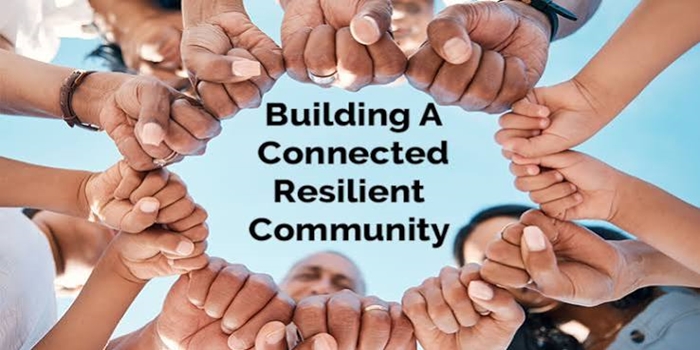
When people support one another and work towards common goals, communities become stronger, more united, and better prepared to handle challenges.
Improving Emergency Preparedness
Emergencies can happen at any time, making preparation extremely important. A society that is prepared can respond more effectively and reduce the loss of lives and property.
Governments should establish functional emergency response systems, provide adequate rescue equipment, train emergency personnel, and make emergency services accessible to the public.
Families should also have basic emergency plans. They should know important emergency contacts, identify safe exits, and keep essential supplies such as drinking water, food, flashlights, and first-aid materials.
Regular emergency drills in schools, workplaces, and public buildings can help people understand what to do during fires, floods, accidents, and other dangerous situations.
Preparedness reduces panic and encourages quick, informed action when emergencies occur.
Environmental Protection and Disaster Prevention
Environmental protection plays a major role in building a safer society. Poor waste disposal, blocked drainage systems, deforestation, erosion, and pollution can create serious health and environmental problems.
For instance, indiscriminate waste disposal can block drainage channels and contribute to flooding during heavy rainfall. Flooding can destroy homes, damage roads, contaminate drinking water, and threaten lives.
Individuals should practise proper waste disposal, participate in environmental sanitation, and avoid activities that damage the environment. Governments should improve waste management, maintain drainage systems, protect natural ecosystems, and enforce environmental regulations.
Communities in flood-prone areas should also receive early warnings and practical information about evacuation and other protective measures.
Environmental responsibility today helps protect future generations.
Promoting Public Health and Hygiene
A healthy population is an important foundation of a safe society. Governments and healthcare institutions must ensure that people have access to quality healthcare services, essential medicines, qualified medical personnel, and reliable health information.
Public health education should encourage regular medical check-ups, proper hygiene, immunisation, clean drinking water, adequate sanitation, and healthy lifestyles.
Communities should also be educated on how to prevent the spread of infectious diseases and respond responsibly to public health emergencies.
Mental health should not be neglected. People affected by emergencies, insecurity, displacement, or other difficult circumstances may require emotional and psychological support.
Strong healthcare systems help protect lives and improve the overall well-being of society.
Strengthening Security and Road Safety
Security is essential for peaceful living and economic development. People need to feel protected in their homes, schools, workplaces, and public spaces.
Government should strengthen security institutions, improve professional training, enforce the rule of law, and encourage cooperation between security agencies and communities.
Citizens also have a responsibility to report credible security concerns, avoid spreading rumours, and respect the rights of others.
Road safety is equally important. Drivers and other road users must obey traffic regulations, avoid excessive speeding, maintain their vehicles, and remain attentive while using the roads.
Government should provide good roads, clear traffic signs, pedestrian crossings, and effective traffic management systems.
Responsible behaviour by individuals and effective public infrastructure can significantly reduce accidents and improve public safety.
The Role of Government and Citizens
Government has a major responsibility in creating a safer and more prepared society. This includes providing security, healthcare, emergency services, quality infrastructure, environmental protection, and effective public policies.
However, government efforts alone cannot achieve lasting results without the cooperation of citizens.
Individuals should take responsibility for their actions, maintain safe environments, respect laws, and participate in community development activities.
Schools should teach safety education, businesses should protect their workers, families should prepare for emergencies, and community organisations should promote awareness and cooperation.
When government institutions and citizens work together, safety becomes a shared commitment rather than an individual concern.
The Role of Technology in Building a Safer Society
Technology has created new opportunities for improving public safety and emergency preparedness. Mobile communication systems, weather monitoring tools, digital platforms, and early warning systems can help communities receive important information quickly.
For example, early warning messages can alert residents about approaching floods or extreme weather conditions, giving them time to take necessary precautions.
Technology can also improve healthcare delivery, emergency communication, traffic management, and public security.
However, people must receive accurate information from reliable sources. The spread of false information, especially during emergencies, can create unnecessary panic and confusion.
Technology should therefore be used responsibly to strengthen public awareness and protect lives.
Conclusion
Building a safer and more prepared society is everyone’s responsibility. Through public awareness, effective leadership, community cooperation, and proper emergency planning, we can reduce risks, protect lives, and create a peaceful environment. By working together and making safety a priority, we can build a stronger, healthier, and more resilient society for present and future generations.
READ: Understanding the Role of Government in Building a Strong Economy