

Introduction
Online communities are digital, internet-based spaces where people with shared interests, goals, or experiences connect, interact, and build relationships. These, often called virtual communities, foster engagement through user-generated content, support, and collaboration, and are essential for brand loyalty, professional networking, and learning.
Building Trust Through Human Connection
Trust is one of the most valuable assets a business can have, and online communities help cultivate it naturally. In a community setting, potential customers can see real conversations between real people. They can observe how others use a product, what challenges they face, and how those challenges are resolved.
This peer-to-peer interaction creates social proof, one of the strongest influences on purchasing decisions. When people see others genuinely benefiting from a product or service, they are more likely to trust the brand and make a purchase themselves.
Driving Customer Engagement and Loyalty
Online communities foster deeper engagement than traditional marketing channels. Instead of one-way communication, businesses can interact directly with their audience. Customers can comment, ask questions, share ideas, and receive responses in real time.
This ongoing interaction builds emotional connections. When customers feel heard and valued, they are more likely to remain loyal to a brand. Over time, this sense of belonging transforms customers into long-term advocates who not only continue to buy but also promote the brand organically.
A Powerful Source of Feedback and Innovation
One of the most underrated advantages of online communities is their ability to serve as a continuous feedback loop. Businesses can gain insights into customer needs, preferences, and pain points simply by observing discussions or actively engaging with members.
This feedback can inform product improvements, service enhancements, and even entirely new offerings. In many cases, businesses involve their communities in co-creation—inviting users to test features, suggest ideas, or participate in surveys. This collaborative approach leads to better products and stronger customer relationships.
Cost-Effective Marketing and Organic Growth
Online communities can significantly reduce marketing costs by driving organic growth. When community members share their experiences, they effectively become brand ambassadors. Word-of-mouth marketing within communities tends to be more authentic and persuasive than traditional advertising.
Enhancing Customer Support
Online communities also play a crucial role in customer support. Many users turn to community forums or discussion groups to find answers to common questions. Often, other members provide solutions faster than official support channels.
Strengthening Brand Identity
A strong online community reflects and reinforces a brand’s identity. The tone of conversations, the type of content shared, and the values expressed within the community all contribute to how the brand is perceived.
Major Challenges in Community Management
Moderation and Conflict Resolution: Dealing with cyberbullying, harassment, and toxic behavior while promoting free expression is a significant challenge. Consistent enforcement of guidelines is required, yet often difficult to maintain.
Sustaining Engagement: Many members are “lurkers” (passive consumers), making it difficult to foster active participation and keep content engaging over time.
Scalability Issues: As communities grow, maintaining a high sense of trust and personal connection becomes difficult, leading to a breakdown in, or loss of, community culture.
Security and Privacy Threats: Online platforms are frequently targeted by spammers, scammers, and hackers. Protecting user data and ensuring privacy is a top concern.
Burnout and Content Management: Providing consistent, quality content is demanding, and both members and managers can face burnout from constant interaction.
Technological and Environmental Changes: Rapidly evolving digital tools require constant learning, while platform changes can disrupt established workflows.
Core Strategies for Community Building
Define Purpose & Value: Start with a clear purpose and value proposition—how does the community help members achieve goals or connect?
Onboarding and Welcoming: Create a smooth, welcoming onboarding process, such as a dedicated space for new members to introduce themselves.
Consistent, Authentic Engagement: Respond promptly and authentically to comments. Use regular, structured, and consistent interactions like live Q&As, virtual meetups, or weekly challenges to keep the community active.
Encourage User-Generated Content (UGC): Encourage members to share knowledge, experiences, and stories. This makes members feel valued and involved.
Moderate for a Positive Environment: Establish a clear code of conduct and enforce it, ensuring the space feels safe and welcoming.
Recognize and Reward Members: Highlight active members and provide incentives, such as exclusive content, early product access, or specialized badges.
Choose the Right Platform: Select a platform that matches your audience’s behavior and your goals, whether it’s Slack, Discord, Facebook Groups, or specialized community platforms.
Leverage Data: Use analytics to understand member behavior and iterate based on feedback to ensure the community remains relevant.
The Future of Online Communities in Business:
Trust and Retention: As buyer skepticism increases, communities build, sustain, and nurture relationships, serving as a primary tool for customer retention.
Community-Led Growth (CLG): Businesses are moving beyond just selling to building “community-driven” models where user engagement and peer-to-peer support drive product adoption and brand loyalty.
Strategic Value Generation: Successful communities are being integrated into core business operations, such as linking user activity to CRM systems, reducing customer support costs, and generating revenue through subscriptions or exclusive content.
Advocacy and Content: Companies are focusing on identifying and empowering superusers who act as brand advocates and create significant amounts of user-generated content.
Actionable Insights: Rather than passive social media marketing, brands are leveraging communities for real-time, actionable feedback to inform product development and brand strategy.
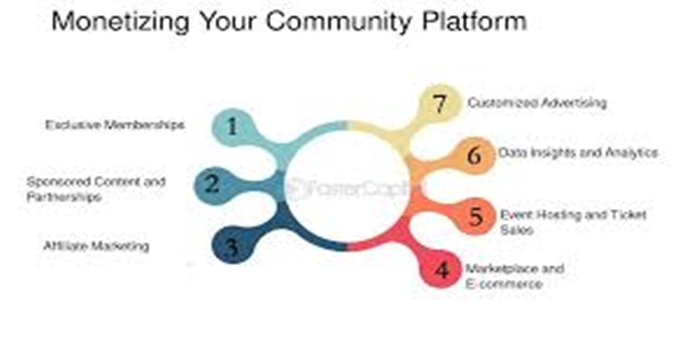
Monetization without Alienation: Future community strategies focus on balancing profitability with user value through exclusive memberships, courses, or events, avoiding aggressive selling.
Conclusion
Online communities have shifted from a nice-to-have to a strategic business imperative in 2025, acting as a modern-day town square that drives engagement, loyalty, and revenue. Unlike social media, branded communities provide direct, 24/7 access to customers, allowing businesses to foster deeper relationships, reduce support costs, and gain valuable, first-party data.