

Introduction
Authenticity is no longer a soft skill or a desirable trait; it has become a critical business and personal strategy for achieving relevance, trust, and sustained competitive advantage in a world saturated with information and superficial messaging.
Authenticity refers to the quality of being genuine, real, and true to oneself. It is the state of similarity between an individual’s internal values, thoughts, and feelings, and their external words, actions, and behavior.
The Rise of Authenticity: Why the World Is Shifting
Skepticism of Curated Perfection: In the early days of social media, polished and filtered content was the norm. Consumers, especially Gen Z, grew up with this and have become adept at spotting inauthenticity, leading to a demand for “real” moments and unfiltered stories.
The Proliferation of AI Content: The explosion of AI-generated content has made human creativity and genuine interaction more valuable than ever. In a sea of repetitive, AI-produced content, authenticity becomes a powerful differentiator and a “badge of honor”.
Erosion of Trust in Traditional Institutions: There is growing distrust in traditional advertising, media, and large corporations. Consumers are turning to individuals and brands that demonstrate transparency, vulnerability, and a genuine commitment to their values.
Desire for Real-World Connections: As digital life becomes more pervasive, the need for human, in-person experiences and connections has intensified. Brands are increasingly investing in physical activations to create authentic, shareable moments that resonate more deeply than digital ads alone.
Empowerment of Individuality: social media, while a source of curated content, has also provided a platform for self-expression and individuality. People are more comfortable showcasing their unique selves, which inspires others to do the same, leading to a more diverse and vibrant online landscape.
Impact Across Different Areas
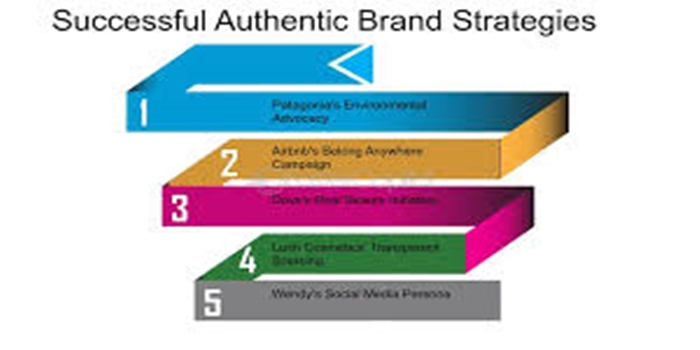
Marketing & Branding: Authenticity has become the new currency in marketing. Brands that are transparent, purpose-driven (e.g., Patagonia’s “Don’t Buy This Jacket” campaign), and use user-generated or relatable content build stronger trust and loyalty with their audiences.
Content Creation: Unfiltered, raw, and relatable content (e.g., a vlogger filming from their kitchen table) often outperforms highly produced material. Platforms are adjusting their algorithms to favor content that promotes genuine engagement and integrity.
Professional Environments: The shift is also seen in professional networks like LinkedIn, where personal anecdotes and stories generate more engagement than dry corporate updates, fostering more meaningful professional connections.
Authenticity Breaks Through Where Strategy Can’t:
The Value of Authenticity
Builds Trust and Connection: Authenticity involves being real and transparent, which makes people feel safe and understood. This instills a deep sense of trust that strategic maneuvering alone often fails to achieve.
Fosters Emotional Attachment: When people sense that a person or brand’s values align with their own, it creates emotional attachment and advocacy, leading to stronger, more resilient relationships.
Radiates Energy and “Aliveness”: As one post puts it, authenticity is “energy” and “fire” that comes from creating from your truth, not performing it. People often prefer this “aliveness” over contrived perfection.
Creates Clarity and Resonance: Messages that come from a place of truth and experience tend to resonate more with others than those that are overthought or generic. This clarity helps ideas perform better and attract the right people.
Humanizes Leadership: Leaders who are authentic become more relatable by sharing their experiences, struggles, and failures. This humanizes them, boosting employee engagement, loyalty, and team cohesion.
The quote does not necessarily advocate for the complete abandonment of strategy, but rather suggests that authenticity is the foundation upon which successful strategies are built.
Authenticity is a Strategic Edge: Being authentic isn’t just a “soft skill”; it’s a strategic advantage that acts as a bridge between a stated identity and actual actions.
Strategy Shapes the Message; Authenticity Gives it Depth: The most effective approach often involves combining the two. Strategy provides structure and clarity to the message, while authenticity provides the depth and belief that drives true advocacy.
Strategic Authenticity: This concept involves aligning all actions and communications with core values and identity in a deliberate and purposeful way. It also involves discernment in different contexts, meaning an authentic person knows which parts of themselves to bring forward to build connection and add value, without self-destructing in challenging environments.
Authenticity Is Not Just Being Yourself It’s Being Yourself on Purpose:
Self-awareness: It begins with a realistic understanding of your own values, beliefs, strengths, and weaknesses, free from the pressure of external expectations.
Honesty: It involves being true to your personality and spirit, being honest with yourself and others about your feelings and intentions.
Alignment: Your actions and words should align with your internal values, thoughts, and beliefs.
On purpose is the active practice
Intentional action: It’s the deliberate act of putting your authentic self into action, rather than just being aware of it.
Growth and skill: It means using this self-awareness to grow, improve, and develop new skills, rather than using authenticity as an excuse for laziness or stagnation.
Living by values: It’s the active and conscious choice to live your life according to your own values, not those of other people.
Courage and conviction: It requires the courage to stand by your beliefs and the conviction to act on them, even when it’s difficult or unpopular.
Authenticity Builds Trust Faster Than Any Marketing Tactic:
Consumer Expectations: Modern consumers, particularly Gen Z, demand transparency and honesty from the brands they support. Studies have found that a significant majority of consumers (up to 90%) cite authenticity as an important factor in their purchasing decisions.
Differentiation: Being true to core values and a unique brand story helps a business stand out from competitors who may jump on fleeting trends. People can sense the difference between genuine and forced messaging.
Deep Connection: Authenticity helps humanize a brand, allowing customers to connect with the real people, mission, and values behind the product. This creates a sense of shared identity and values, which generic marketing tactics struggle to achieve.
Loyalty and Advocacy: Trust built through authenticity leads to strong customer loyalty and passionate brand advocacy. Customers who trust a brand are more likely to become repeat buyers, recommend products, and help spread the word, which is invaluable growth that cannot be faked or forced.
Resilience: Brands that align their actions with their stated values build a reputation for reliability. Inauthentic practices or inconsistent messaging can cause irreparable damage to a brand’s reputation, as consumers quickly notice and call out discrepancies.
Authenticity Helps You Create from a Place of Truth:
Clarity and Self-Awareness Authenticity requires self-reflection to understand your own values, motivations, and passions. This clarity of purpose allows for creative decisions and actions that are based on your genuine self, rather than fleeting trends or the desire to please others.
Integrity and Trust When your “inside matches your outside,” you operate with integrity. This consistency in your thoughts and actions builds self-trust and the trust of others, creating a safe environment where genuine ideas can be shared without fear of judgment.
Freedom and Vulnerability Embracing your true self and being open about your struggles and failures requires courage and vulnerability. This freedom from the burden of pretense allows for a more raw, honest, and innovative creative process, as you are not constrained by the need to maintain a “perfect” image.
Deeper Connection and Inspiration Creations that come from a place of truth are more likely to resonate with others on a profound level. Your unique perspective can inspire others to embrace their own authenticity, fostering a ripple effect of genuine expression and a more compassionate, understanding world.
Fulfillment and Resilience Living and creating in alignment with your true self leads to a greater sense of purpose, fulfillment, and overall well-being. This strong foundation of self-knowledge and self-acceptance makes you more resilient in the face of challenges and criticism, as your motivation is intrinsic rather than based on external validation.
Conclusion
Authenticity has become one of the most powerful strategic advantages in business, leadership, content creation, and personal branding. Authenticity builds trust faster than marketing tactics, cuts through noise, and creates deeper loyalty. It helps you stand out because no one can copy your essence, your story, or your perspective. Being real attracts the right people, repels the wrong ones, and eliminates the exhausting pressure to perform or pretend.
READ: The Business of Authenticity