

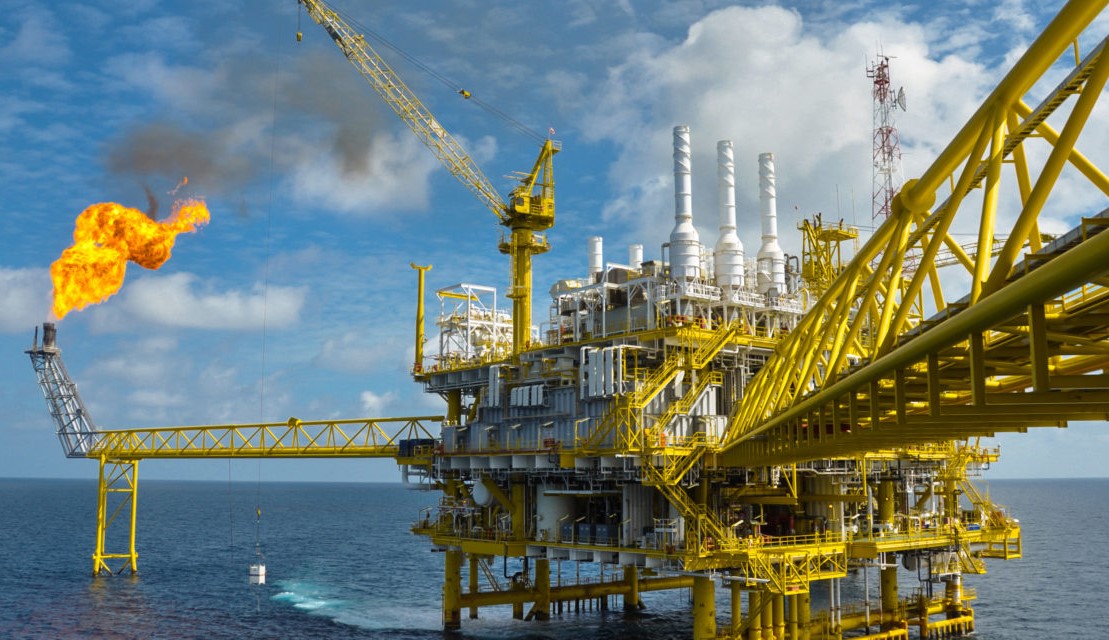
What Is an Oil And Gas Industry:
Oil and gas industry is the global economic sector made up of companies that find, drill, extract, transport, and refine crude oil and natural gas.
THERE ARE THREE TYPES OF OIL AND GAS INDUSTRY
- Upstream: Finding underground or underwater reserves using seismic testing and drilling exploratory wells to extract raw oil and gas.
- Midstream: Moving and storing the extracted materials via pipelines, tankers, trucks, and shipping facilities before they reach processing plants.
- Downstream: Processing raw hydrocarbons at refineries to make finished consumer goods like gasoline, diesel, jet fuel, and plastics.
IMPORTANCE OF OIL AND GAS INDUSTRY TO HUMANS
The oil and gas industry is vital to human life because it supplies over half of global energy, powers worldwide transport, and creates essential everyday products
Energy and Power
- Fuelling transport: Provides gasoline, diesel, and jet fuel for cars, ships, and
- Generating electricity: Burns natural gas and oil products to create reliable power for homes and businesses.
- Heating and cooling: Supplies natural gas and heating oil for climate control and
Manufacturing and Materials
- Everyday plastics: Serves as the base material for medical equipment, electronics casings, and packaging.
- Agriculture: Crucial for producing synthetic fertilizers that boost crop yields and ensure food security.
- Consumer goods: Used to make synthetic clothing Fibers, cosmetics, detergents, and synthetic rubber tires.
Economy and Jobs
- Employment: Supports tens of millions of high-paying jobs
- Financial growth: Drives national revenues, infrastructure funding, and global
SOME OF THE CHALLENGES FACING THE OIL AND GAS INDUSTRY IN NIGERIA
Nigeria’s oil and gas sector is been face with some of these hurdles, led by crude oil theft, pipeline vandalism, aging and poor infrastructure, and macroeconomic pressures like high inflation and foreign exchange volatility.
Security and Infrastructure
- Oil Theft and Vandalism: Illegal tapping of pipelines in the Niger Delta causes massive daily production losses and environmental damage.
- Decaying Facilities: Old pipelines and processing plants frequently break down, raising operating costs and lowering output.
- Insecurity: militant activities disrupt field operations, making onshore work expensive and risky.
Economic and Regulatory Pressures
- Macroeconomic Instability: High interest rates, high inflation, and unstable exchange rates make capital expensive for local operators.
- Asset Divestments: Major international oil companies are selling their onshore assets to local firms, creating shifts in management, funding gaps, and technical
- Policy and Funding Hurdles: Raising capital is costly for indigenous companies due to high country-risk premiums, and regulatory changes can create investment uncertainty.
Environmental and Community Issues
- Environmental Damage: Ongoing oil spills and continued gas flaring damage local ecosystems and harm the health of host communities.
- Community Unrest: Local populations often feel left out of financial benefits, leading to protests and shutdowns of nearby facilities.
Conclusion
The oil and gas industry is been faces with complex turning point that defined by the energy transition, market volatility, and technological adaptation.