

introduction
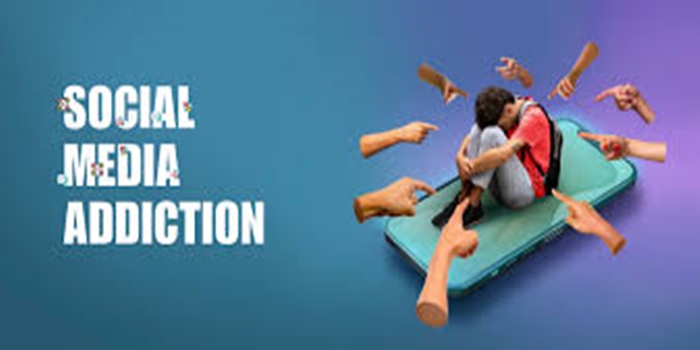
Social media addiction is more than just spending too much time on apps, it reflects how deeply platforms like Instagram, TikTok, and X are designed to capture attention and keep users engaged. Through likes, notifications, and endless content, these platforms trigger reward systems in the brain that make repeated checking feel almost automatic. Understanding the psychology behind this helps explain why social media can be so difficult to step away from.
The Brain’s Reward System: Why Likes Feel Powerful
At the center of social media addiction is the brain’s reward system, particularly the role of dopamine. Dopamine is not simply a pleasure chemical; it is a motivational signal that tells the brain to repeat behaviors that may lead to reward.
Every notification, whether it is a like, comment, mention, or new follower, acts as a small reward cue. Over time, the brain begins to anticipate these rewards, not just respond to them. This anticipation is what drives compulsive checking behavior.
Importantly, the reward is often unpredictable. Sometimes a post receives attention, sometimes it doesn’t. This uncertainty makes the behavior more reinforcing, because the brain becomes more engaged when outcomes are variable rather than guaranteed.
Variable Rewards and the Slot Machine Effect
One of the most powerful psychological mechanisms behind social media addiction is variable reinforcement. This is the same principle used in gambling systems, where rewards are unpredictable and therefore highly engaging.
When users scroll through a feed on TikTok or Instagram, they encounter a constantly changing mix of content:
entertaining videos
emotionally charged posts
social updates
unexpected viral content.
Social Validation: The Need to Be Seen and Accepted
Humans are fundamentally social beings. Throughout evolution, belonging to a group was essential for survival. As a result, the brain is highly sensitive to social approval and rejection.
Social media transforms this ancient need into measurable signals:
likes = approval
comments = attention
shares = recognition.
followers = social status
When people interact with content, it activates feelings of acceptance and belonging. When they do not, it can trigger feelings of invisibility or social uncertainty.
Infinite Scroll and the Loss of Natural Limits
Traditional forms of media had clear stopped points. A TV show ended, a magazine ran out of pages, a newspaper was finite. Social media removes those boundaries.
Platforms like Facebook and YouTube use infinite scroll and autoplay features that eliminate natural stopping cues. Without clear endpoints, the brain is less likely to disengage.
Fear of Missing Out (FOMO)
Fear of missing out is another strong driver of social media behavior. Platforms constantly present updates, trends, and real-time content that suggest something important or entertaining might be happening elsewhere.
Emotional Regulation and Escapism
For many users, social media serves as a tool for emotional regulation. People often turn to apps to:
escape boredom
avoid stress
distract from difficult tasks
cope with negative emotions.
Comparison Culture and Self-Perception
Social media also influences how people evaluate themselves. Users are constantly exposed to curated versions of other people’s lives, highlight reels that emphasize success, beauty, travel, and achievement.
This leads to upward social comparison, where individuals compare their everyday reality to idealized portrayals. Even when people intellectually understand that content is curated, the emotional impact can still affect self-esteem and mood.
Attention Fragmentation and Cognitive Fatigue
Beyond emotional effects, social media changes how attention functions. Frequent switching between posts, videos, and notifications trains the brain to expect constant stimulation.
This can lead to:
reduced attention span for long tasks
difficulty focusing without interruption
increased mental fatigue from task switching.
Why Social Media Addiction Is So Hard to Break
Social media addiction is not driven by a single factor, it is the result of multiple overlapping psychological systems:
dopamine-driven reward anticipation
social belonging needs
habit formation loops
emotional coping mechanisms
novelty-seeking behavior
fear of missing out.
Conclusion
Social media addiction is not simply about excessive use, it is the result of deeply rooted psychological systems interacting with highly engaging digital platforms. Through reward loops, social validation, infinite content, and emotional triggers, apps like Instagram, TikTok, and Facebook are able to hold attention in ways that often feel automatic rather than intentional.